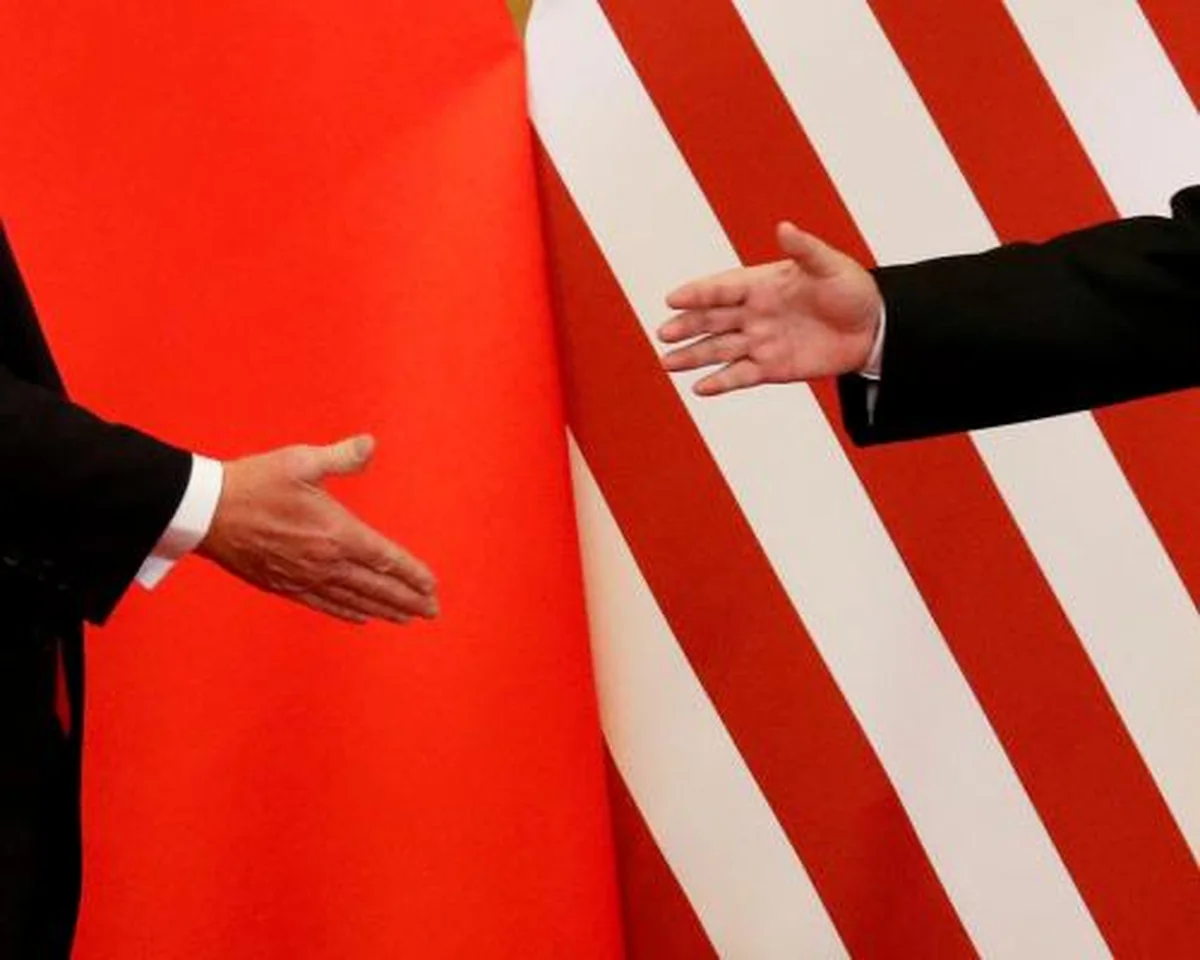
US, China Agree Trade Framework, Avert New Tariffs
A significant diplomatic breakthrough has emerged between the United States and China, as both nations announced a framework agreement on trade, occurring mere days prior to a highly anticipated meeting between President Donald Trump and Chinese President Xi Jinping. This pivotal development aims to de-escalate simmering economic tensions that have threatened global commerce.
The preliminary accord was forged on the sidelines of the Association of Southeast Asian Nations (ASEAN) summit in Malaysia on Sunday. Treasury Secretary Scott Bessent confirmed that the agreement would effectively eliminate the looming threat of 100% tariffs on Chinese imports, which were slated to take effect on November 1. Crucially, the framework also encompasses “a final deal” regarding the controversial sale of TikTok’s operations in the U.S., a matter that has drawn considerable international attention.
Trump’s Asia Tour and Optimistic Outlook
President Trump’s arrival in Malaysia on Sunday marked the initial stop of a five-day Asia tour. This diplomatic journey is expected to culminate in a face-to-face encounter with President Xi in South Korea on Thursday. Following the discussions that yielded the framework, the U.S. President expressed a decidedly positive outlook, stating, “I think we’re going to have a deal with China.”
Further details provided by Bessent revealed that China has committed to a one-year “delay” in implementing export controls on critical minerals. These minerals are essential components in the manufacturing of advanced technologies, including fighter jets, smartphones, and electric vehicles, underscoring the strategic importance of this concession as part of the broader truce.
Chinese Perspective and Broader Implications
Representing Beijing, China’s top trade negotiator, Li Chenggang, acknowledged that both sides had achieved a “preliminary consensus.” He indicated that the agreement would now proceed through the respective internal approval processes of both nations. Reflecting on the arduous negotiations, Li stated, “The US position has been tough.” He added, “We have experienced very intense consultations and engaged in constructive exchanges in exploring solutions and arrangements to address these concerns.”
This newfound understanding between Washington and Beijing significantly reduces the likelihood of an all-out global trade war, a scenario that had cast a long shadow over international markets and threatened to disrupt critical sectors such as car production across Europe and the United Kingdom. The framework arrives after months of heightened trade hostilities between the world’s two largest economies, tensions initially ignited by President Trump’s “liberation day” tariff announcement outside the White House in April.
A Separate Truce with Brazil?
In a related development, hopes also emerged for a potential truce between the U.S. and Brazil. Brazilian President Luiz Inácio Lula da Silva described his meeting with President Trump in Malaysia as “positive.” He announced that their respective teams would commence discussions “immediately” to address tariffs and other pertinent issues, signaling a broader diplomatic effort to resolve trade disputes.
The agreement between the U.S. and China comes just as their previous tariff truce was nearing its expiration. This timely accord suggests that President Xi had no intention of submitting to previous threats of further escalation, instead opting for a path of negotiation and resolution. The upcoming summit between the two leaders will now serve as a crucial platform to solidify these initial steps towards a more stable trade relationship.
Source: The Guardian