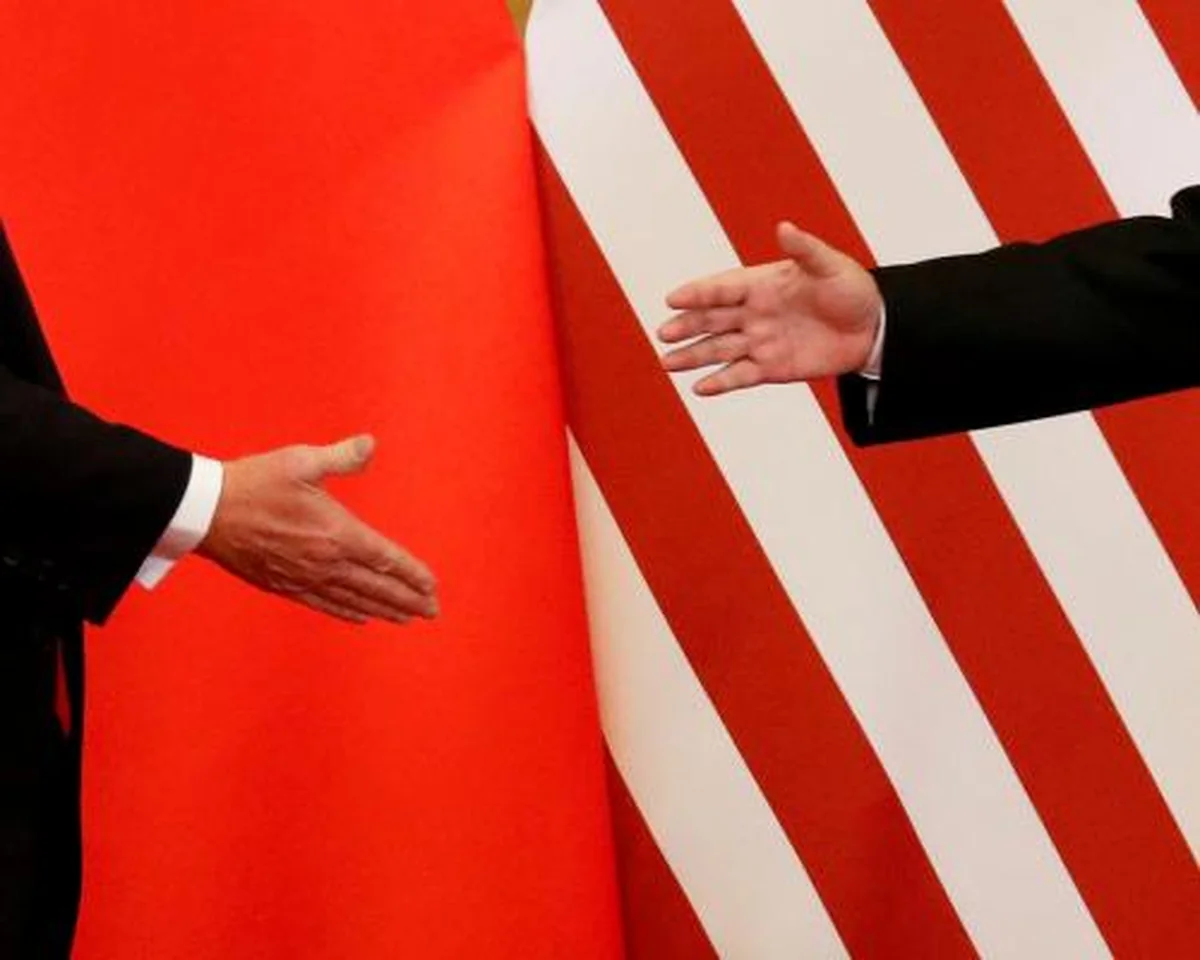
US & China Forge Trade Framework Amid Summit Prep
Washington D.C. – A significant breakthrough in trade relations has emerged between the United States and China, with both nations agreeing to a preliminary framework for a trade deal just days before a highly anticipated meeting between President Donald Trump and Chinese President Xi Jinping. This development aims to de-escalate simmering tensions and avert the imposition of substantial new tariffs.
US-China Trade Breakthrough
The understanding was reached on Sunday, as confirmed by Treasury Secretary Scott Bessent. The agreement, forged on the sidelines of the Association of South-East Asian Nations (Asean) summit in Malaysia, is set to eliminate the looming threat of 100% tariffs on Chinese imports, which were scheduled to take effect on November 1. Crucially, the framework also encompasses “a final deal” regarding the controversial sale of TikTok’s US operations, a matter that has been a point of contention between the two economic giants.
President Trump arrived in Malaysia yesterday, marking the first stop on a five-day Asia tour. This diplomatic journey is expected to culminate in a pivotal face-to-face meeting with President Xi in South Korea on Thursday, where the details of this framework are likely to be further solidified and potentially formalized. The agreement provides a crucial diplomatic win for both administrations, offering a path forward in a trade dispute that has impacted global markets and supply chains.
Other Lingering Trade Disputes
While the focus remains on the US-China developments, other trade discussions continue to unfold. Hopes for a trade truce between the United States and Brazil have gained momentum following what President Luiz Inácio Lula da Silva described as a “positive meeting” with President Trump in Malaysia. President Lula indicated that their respective teams would commence immediate discussions on tariffs and other pertinent trade matters, signaling a potential de-escalation of trade friction between the two Western Hemisphere powers.
Across the northern border, US-Canada trade relations face renewed strain. President Trump announced on Saturday his intention to raise US tariffs by 10% in retaliation for an advertisement sponsored by the Ontario government. The advertisement, which accurately quoted former President Ronald Reagan at length stating that tariffs do not work, has evidently drawn the ire of the current US administration, highlighting the fragility of even long-standing trade partnerships.
Venezuela Airstrikes Spark Outcry
Meanwhile, the Trump administration’s military actions off Venezuela’s coast have drawn sharp criticism from within its own party. Republican Senator Rand Paul of Kentucky labeled the recent US military airstrikes against boats, which the White House claims were being used for drug trafficking, as “extrajudicial killings.”
Senator Paul’s strong condemnation was delivered on Sunday during an appearance on the Republican-friendly Fox News. His remarks came just three days after President Trump publicly stated he “can’t imagine” federal lawmakers would have “any problem” with the strikes when questioned about the necessity of seeking congressional approval for such military actions.
US forces have conducted at least eight strikes against vessels in the Caribbean off Venezuela’s coast in recent weeks. Reports indicate approximately 40 individuals have been killed in these operations, raising concerns about international law and the scope of executive power in military engagements.
Source: The Guardian