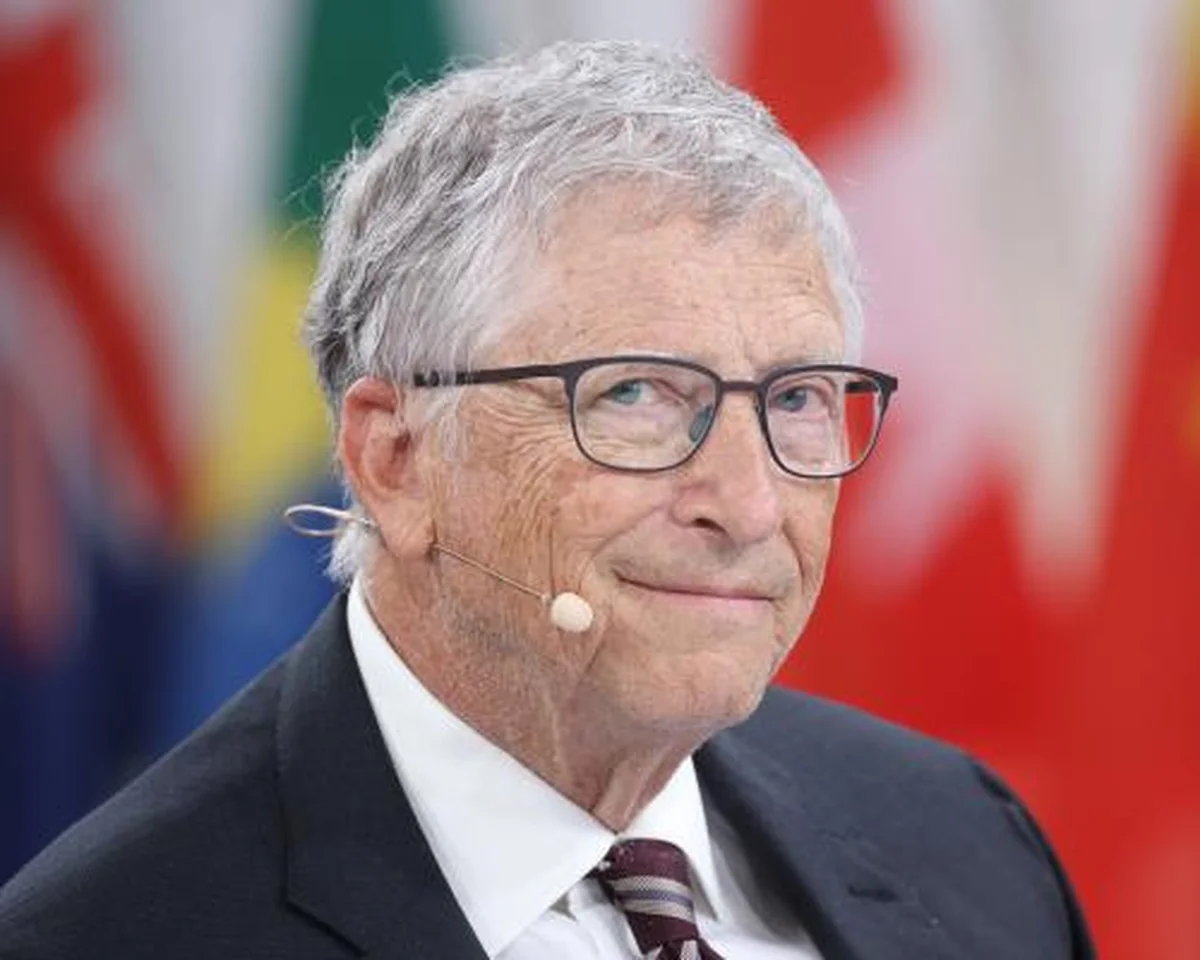
Bill Gates Urges Climate Strategy Shift to Human Lives
Bill Gates, the billionaire co-founder of Microsoft, is advocating for a significant reorientation in global efforts to tackle the climate crisis. In a recent memo published on his personal website, Gates Notes, he called for a “strategic pivot” away from an exclusive focus on limiting rising global temperatures, urging the world to instead prioritize interventions aimed at preventing disease and alleviating poverty.
Gates articulated his concerns about what he termed a “doomsday view of climate change,” suggesting that current discourse places “too much on near-term emissions goals.” His remarks come just a day after the United Nations announced that humanity had failed to meet its crucial target of limiting global heating to 1.5 degrees Celsius, prompting the UN Secretary-General to issue a grave warning about “devastating consequences” worldwide.
Rethinking Climate Priorities
Despite the UN’s dire assessment, Gates maintained a more optimistic outlook regarding humanity’s long-term survival. “Although climate change will have serious consequences – particularly for people in the poorest countries – it will not lead to humanity’s demise,” Gates wrote on Monday. He expressed confidence that “People will be able to live and thrive in most places on Earth for the foreseeable future.”
He sees the upcoming Cop30 climate summit as a pivotal moment. The summit, scheduled to gather world leaders in Belém, a Brazilian city nestled within the Amazon rainforest, this November, represents “a chance to refocus on the metric that should count even more than emissions and temperature change: improving lives.”
Poverty and Disease: The Core Challenges
Gates underscored his belief that for the world’s most vulnerable populations, climate change, while impactful, is not the sole or even primary threat. “Although climate change will hurt poor people more than anyone else, for the vast majority of them it will not be the only or even the biggest threat to their lives and welfare,” he stated.
He emphasized that “The biggest problems are poverty and disease, just as they always have been.” According to Gates, recognizing this fundamental truth is crucial for effective resource allocation. “Understanding this will let us focus our limited resources on interventions that will have the greatest impact for the most vulnerable people,” he concluded.
A Contrast with UN Warnings
Gates’s perspective, which seeks to broaden the climate agenda, stands in stark contrast to the urgent warnings issued by UN Secretary-General António Guterres. On the same Monday, Guterres spoke to The Guardian and the Amazon-based news organization Sumaúma, delivering a blunt assessment of the global community’s performance.
“It is time to recognise our failure” in the climate crisis, Guterres asserted. He specifically highlighted the inability to prevent an overshoot above the 1.5C limit in the coming years. Guterres cautioned that exceeding this threshold would trigger “devastating consequences,” including the activation of critical “tipping points” that could lead to irreversible environmental damage.
The divergent viewpoints from Gates and the UN Secretary-General underscore an ongoing debate about the most effective strategies and immediate priorities in the complex and multifaceted fight against global warming and its impacts.
Source: The Guardian