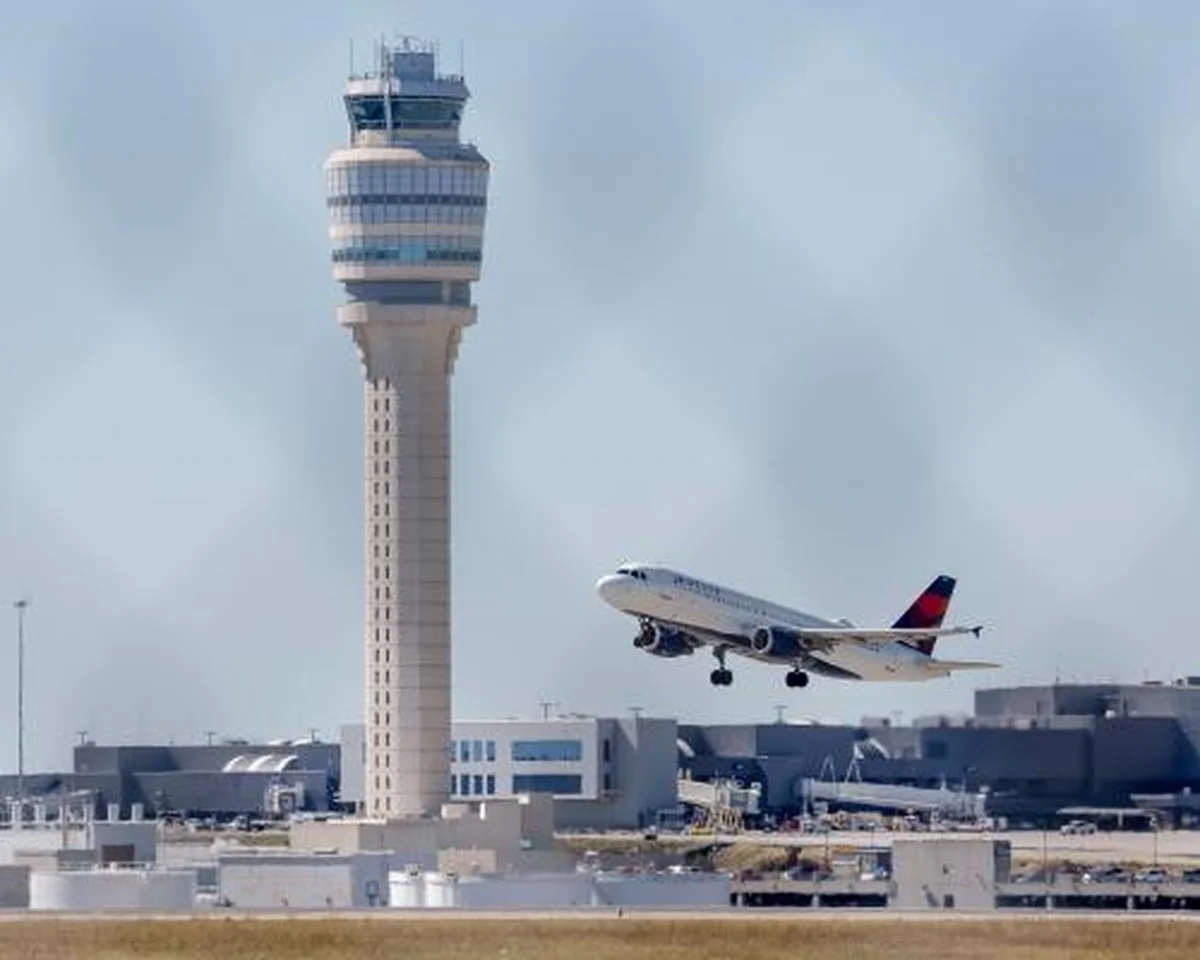
Zero Paychecks: Air Traffic Controllers Struggle Amid Shutdown
The fourth week of the federal government shutdown has delivered a harsh reality to thousands of essential workers, as air traffic controllers and Transportation Security Administration (TSA) personnel have now gone without their first scheduled paychecks. Despite their critical roles in national infrastructure and safety, these employees are mandated to continue working without compensation, raising serious concerns about their financial well-being and the broader implications for public services.
Unpaid Labor Amidst Critical Demands
Approximately 11,000 air traffic controllers, designated as essential federal staff, saw their bank accounts remain empty on Tuesday. This absence of payment represents two full weeks of uncompensated labor, forcing many to confront immediate financial hardship. Sean Duffy, the Transportation Secretary, addressed the growing crisis at a Tuesday press conference held at New York City’s LaGuardia Airport. He cautioned that a second missed payment could trigger a “financially catastrophic” situation for these dedicated professionals.
Secretary Duffy acknowledged the initial resilience of some long-serving employees. “Many of our controllers can make it without this first paycheck; they’ve been in the job 10, 15, 20 years; they’ve planned for days like this,” Duffy stated. However, he emphasized the escalating difficulty as the shutdown persists: “This is day one. Day two gets harder, [and] day three is harder after that, as expenses continue to roll [in].”
Escalating Travel Disruptions and Safety Concerns
While Secretary Duffy affirmed that air travel remains fundamentally safe, he acknowledged that the ongoing shutdown could exacerbate flight delays and other operational challenges. The Federal Aviation Administration (FAA) has corroborated that staffing shortfalls are increasingly leading to travel disruptions across the nation. Reports of staffing-related issues have emerged from major hubs including Chicago, Dallas, Nashville, and several other key metropolitan areas.
The impact on air travel is already evident. As of the article’s publication, FlightAware data indicated over 3,000 flights within, into, or out of the United States experienced delays. Additionally, 132 U.S. flights had been canceled, underscoring the tangible effects of the prolonged government impasse on daily operations.
Union Leaders Detail Dire Personal Impact
The severe personal toll on essential workers has been a central theme for union representatives. Nick Daniels, President of the National Air Traffic Controllers Association, spoke alongside Duffy at the press conference, highlighting the immense pressure on his members. Daniels underscored the non-negotiable requirement for vigilance: “Air traffic controllers have to have 100% of focus 100% of the time,” he asserted.
He then shared harrowing anecdotes received directly from his members, illustrating the profound personal struggles they face. “And I’m watching air traffic controllers going to work … They’re worried about paying for medicine for their daughter. I got a message from a controller that said, ‘I’m running out of money. And if she doesn’t get the medicine she needs, she dies.’” These stark testimonials paint a grim picture of the human cost of the shutdown. In a gesture of support, some airlines, such as United, have reportedly begun providing meals to unpaid federal employees to help mitigate some of the immediate financial strain.
As the government shutdown persists, the immediate financial distress on air traffic controllers and other critical federal employees underscores a deepening crisis. The human cost, coupled with potential impacts on national air travel and safety, signals an urgent need for a swift resolution to the ongoing budgetary stalemate.
Source: The Guardian