Federal Appeals Court to Revisit Trump’s Portland Troop Bid
The Ninth Circuit Court of Appeals has announced it will conduct an expanded review of the Trump administration’s authority to deploy National Guard forces in Portland, Oregon. This significant development effectively maintains the current prohibition against federalized troop deployment in the city. The decision, issued Tuesday, means a broader panel of 11 judges will now examine the complex legal arguments surrounding presidential power and local governance.
The En Banc Rehearing
In a notable procedural move, the federal appeals court agreed to rehear the contentious case “en banc,” a process involving a larger complement of judges to address issues of exceptional importance. This agreement simultaneously vacated a recent ruling by a three-judge panel that had partially favored the Trump administration. The shift to an 11-judge panel underscores the gravity of the legal questions at stake, specifically regarding President Donald Trump’s executive authority to mobilize military personnel within a state against the wishes of local officials.
Lingering Legal Limbo for Troops
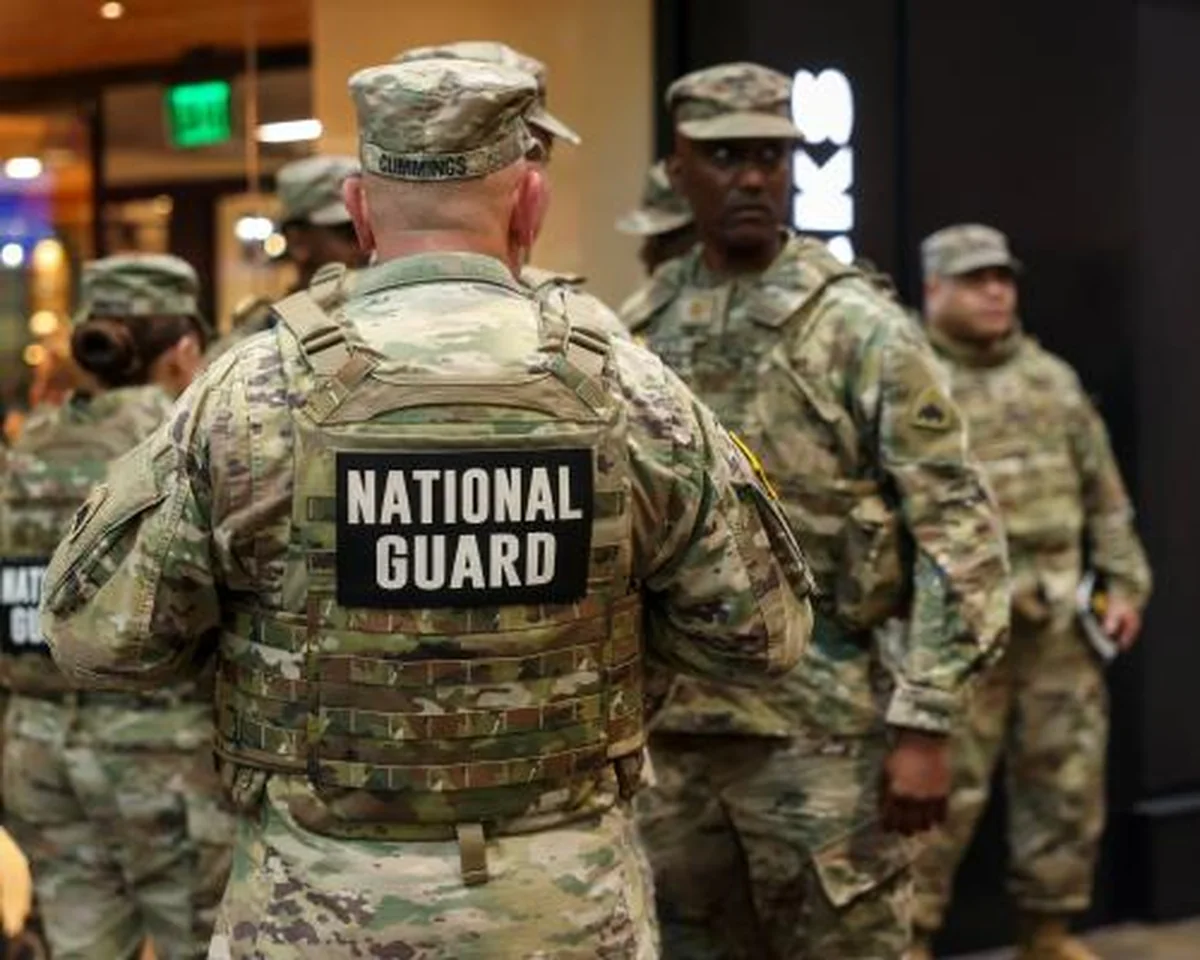
Approximately 200 federalized National Guard members have remained in a state of operational limbo since late September. Their mobilization was initially ordered by the Trump administration in response to several months of sustained protests in Portland. The federal government has consistently argued that personnel at the U.S. Immigration and Customs Enforcement (ICE) facility in south Portland were under direct threat, necessitating a federal response. Conversely, Oregon state and city officials have maintained that local law enforcement agencies are fully capable of managing the situation and have control over public order.
Portland’s Local Resistance
Defying President Trump’s characterization of Portland as a “war-ravaged” city, local residents have actively countered this narrative. Many have shared vibrant videos showcasing the region’s lush natural landscapes and its thriving culinary scene. Community organizers have even initiated plans for an “Emergency Naked Bike Ride,” a protest aimed at “the militarization of our city,” highlighting the local sentiment against federal intervention.
Preceding Judicial Orders
Tuesday’s appeals court decision follows a series of intricate legal maneuvers. Earlier this month, U.S. District Judge Karin Immergut, a Trump appointee based in Portland, issued two distinct temporary restraining orders. The first order specifically blocked the president from federalizing the Oregon National Guard. In an attempt to circumvent this initial injunction, the administration then sought to deploy National Guard troops from California. This action prompted Judge Immergut to issue a second restraining order, which broadly prohibited the deployment of *any* National Guard troops within Oregon.
On Monday, a three-judge panel of the Ninth Circuit Appeals Court had partially intervened, putting the first of Judge Immergut’s rulings on hold. This would have theoretically allowed President Trump to assume command of the 200 Oregon National Guard members. However, the second, more comprehensive ruling, which prevented the actual deployment of any troops, remained in effect. The subsequent “en banc” decision on Tuesday effectively bundles both of Judge Immergut’s original orders for comprehensive review by the expanded judicial panel.
Conclusion
This latest judicial development marks a pivotal moment in the ongoing dispute over federal power versus state sovereignty. The decision by the Ninth Circuit to conduct an en banc rehearing signals the judiciary’s intent to thoroughly scrutinize the extent of presidential authority in domestic troop deployments. As the case proceeds before the 11-judge panel, the outcome will have significant implications for the balance of power between federal and local governments, particularly concerning responses to civil unrest.
Source: The Guardian