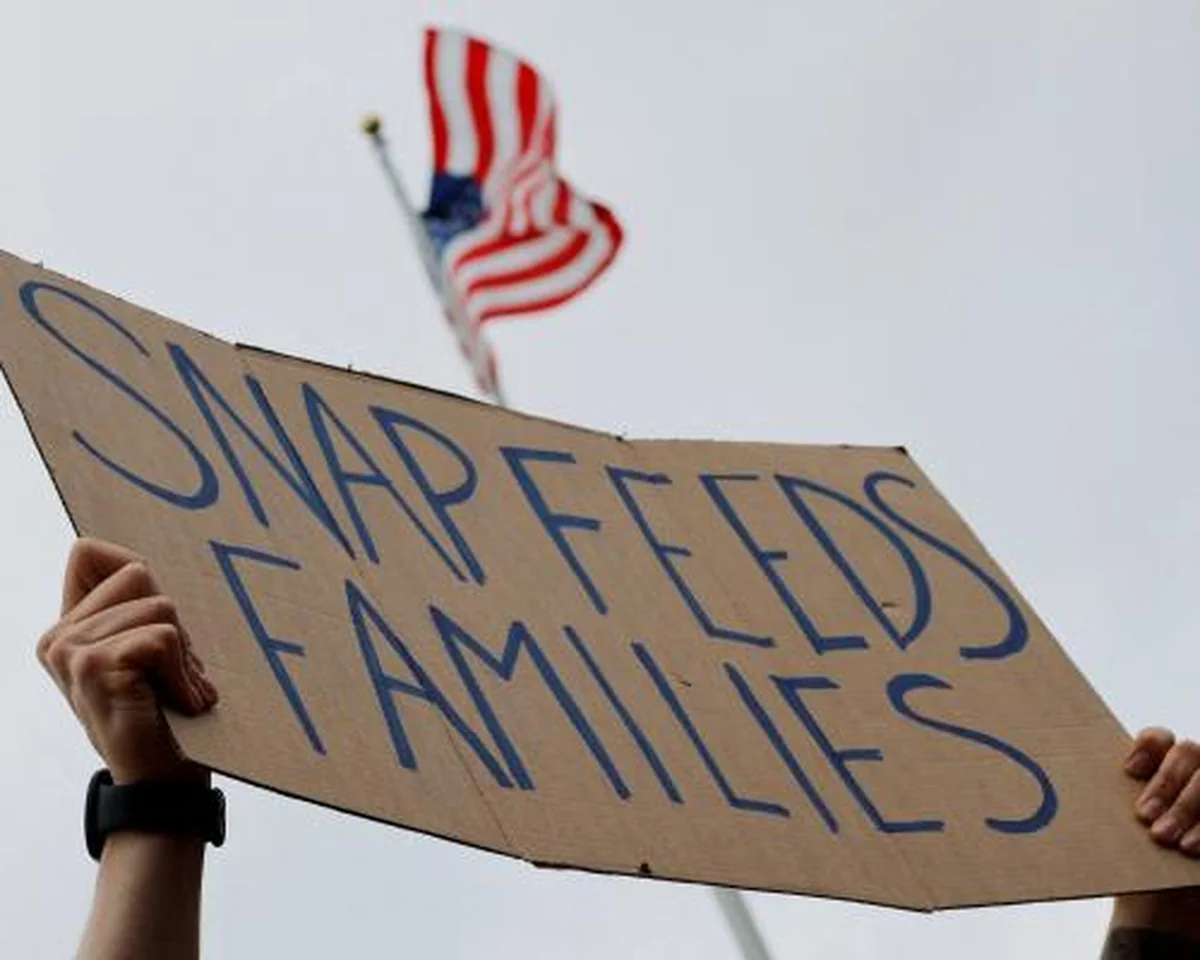
Federal Judges Halt Trump Plan to Suspend Food Aid
In a significant legal defeat for the Trump administration, two federal judges on Friday issued parallel rulings, effectively preventing the planned suspension of Supplemental Nutrition Assistance Program (SNAP) benefits for millions of vulnerable Americans. The decisions came as the government shutdown, now in its second month, threatened to cut off crucial food assistance starting November 1st.
Courts Intervene Amid Shutdown Crisis
The judicial orders, delivered back-to-back in separate cases, mandated the administration utilize contingency funds to ensure the continuity of food aid payments. One ruling emerged from a federal court in Rhode Island, where U.S. District Judge John McConnell issued a temporary restraining order. This case was brought by a coalition of U.S. cities, non-profit organizations, and a trade union, all arguing the proposed suspension of SNAP benefits was unlawful.
Concurrently, a separate but similarly impactful decision came from a federal judge in Massachusetts. This ruling compelled the government to maintain funding for the program, which serves as a vital lifeline for low-income households combating food insecurity. The Massachusetts action was initiated by a powerful group of plaintiffs: Democratic attorneys general from 22 states, the District of Columbia, and three state governors who had collectively sued the administration.
Without these judicial interventions, the U.S. Department of Agriculture (USDA) had confirmed its intention to cease SNAP payments on Saturday, November 1st, potentially plunging millions into immediate hardship.
The Stakes for Millions of Americans
SNAP, widely known as food stamps, stands as the nation’s most extensive anti-hunger initiative. Each month, it extends critical assistance to nearly 42 million low-income individuals, representing approximately one in eight Americans. The program’s discontinuation would have placed these households at severe risk of both food insecurity and significant financial strain, especially during the ongoing government impasse that commenced on October 1st.
The USDA had previously indicated that insufficient regular appropriations existed to cover the full benefit payments. Administering SNAP is a substantial undertaking, costing the public purse between $8.5 billion and $9 billion monthly.
Legal Battle Lines Drawn
The Trump administration’s stance has been that the agency lacks the legal authority to disburse these funds until Congress passes a new spending bill, which would ultimately resolve the prolonged government shutdown. However, the plaintiffs across both civil cases vehemently contested this position, asserting that the USDA’s proposed suspension of benefits was without legal basis.
In the Rhode Island case, the plaintiffs received legal representation from Democracy Forward, a liberal legal advocacy organization dedicated to upholding democratic principles and public welfare. Their successful argument highlighted the immediate and irreparable harm that would result from cutting off these essential services.
While Friday’s rulings offer immediate relief to millions reliant on SNAP, they underscore the profound impact of the government shutdown on essential social programs. The judicial mandates ensure that vital food assistance will continue for now, averting a widespread humanitarian crisis. However, the broader funding dispute remains unresolved, leaving the long-term future of such critical benefits dependent on a legislative resolution to the enduring shutdown.
Source: The Guardian