Trump Eyes Hungarian Sanctions Relief Amid Orbán Praise
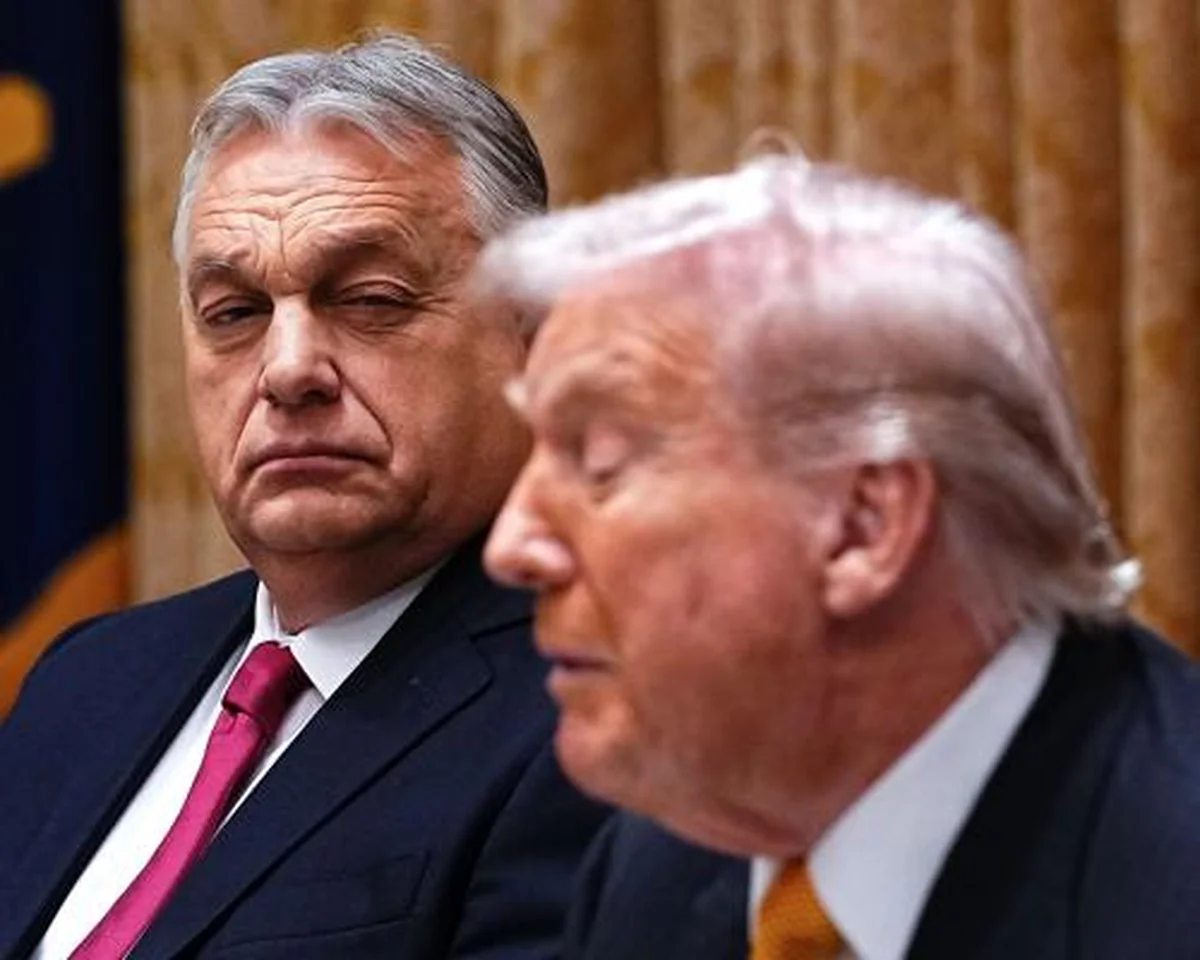
In a high-profile White House meeting, former President Donald Trump signaled a potential willingness to grant Hungary an exemption from sanctions targeting Russian oil imports. The discussion unfolded as Trump lauded Hungarian Prime Minister Viktor Orbán’s stringent immigration policies during their Friday summit, emphasizing the conservative leader’s contentious stance on border control.
During the cordial encounter, Trump urged European Union leaders to extend greater deference to Orbán, who has frequently found himself at odds with his EU counterparts over issues spanning migration, democratic principles, and the rule of law. “I think they should respect Hungary and respect this leader very, very strongly because he’s been right on immigration,” Trump stated while seated alongside Orbán in Washington.
A Potential Sanctions Carve-Out
The possibility of a sanctions waiver arose in the context of the White House’s recent energy restrictions against major Russian oil entities, including Rosneft and Lukoil. Both companies remain key suppliers to Hungary and Slovakia. Hungary has advocated for an exemption, citing a lack of viable alternative sources for its energy needs. When pressed on the prospect of secondary sanctions relief for Budapest, Trump elaborated, “We’re looking at it because it’s very difficult for him to get the oil and gas from other areas.”
Trump further explained Hungary’s unique geographical constraints: “It’s a big country, but they don’t have sea. They don’t have the ports. And so they have a difficult problem.” This acknowledgment underscores the landlocked nation’s reliance on pipeline imports from Russia, a challenge not shared by many of its European neighbors.
Orbán’s Controversial Stance and EU Relations
Prime Minister Orbán, a figure often described as an illiberal democrat, has publicly expressed his desire to revive discussions for a direct summit between Trump and Russian President Vladimir Putin. Orbán contends such a meeting could pave the way for an end to the ongoing conflict in Ukraine. Within the EU, however, Orbán’s close ties to Moscow have drawn sharp criticism, with detractors labeling him the Kremlin’s “Trojan horse” within the bloc.
Strategic Energy Diplomacy
Reports from Bloomberg suggested that Orbán arrived at the White House prepared to offer Trump commitments for the purchase of U.S. liquefied natural gas (LNG) and nuclear fuel. This proposed incentive aimed to bolster Hungary’s case for an exemption from secondary sanctions, showcasing a strategic pivot in energy procurement if a waiver were granted.
Broader European Context
Beyond Hungary, Trump also voiced his dissatisfaction with other European nations that continue to procure significant volumes of Russian oil and gas. He noted that these countries “don’t have those problems,” referring to Hungary’s lack of sea access, yet still engage in substantial energy trade with Russia, a practice he finds “very disturbed by.” The meeting highlighted a shared conservative ideology, with Trump warmly greeting Orbán and hailing him as a “great leader.”
The discussions between Trump and Orbán underscore a potential shift in U.S. foreign policy regarding energy sanctions, particularly for nations facing unique logistical challenges. The outcome of these considerations could have significant implications for European energy security and geopolitical alliances.
Source: The Guardian