Trump Admin Faces Legal Blows, Protests Intensify
The Trump administration confronted a challenging day marked by significant legal defeats and burgeoning public dissent, as the Supreme Court rejected its urgent plea regarding food aid payments and a federal judge issued a critical order concerning Portland. These judicial setbacks unfolded amidst a wave of nationwide university protests targeting the administration’s policies.
Supreme Court Rejects SNAP Aid Appeal
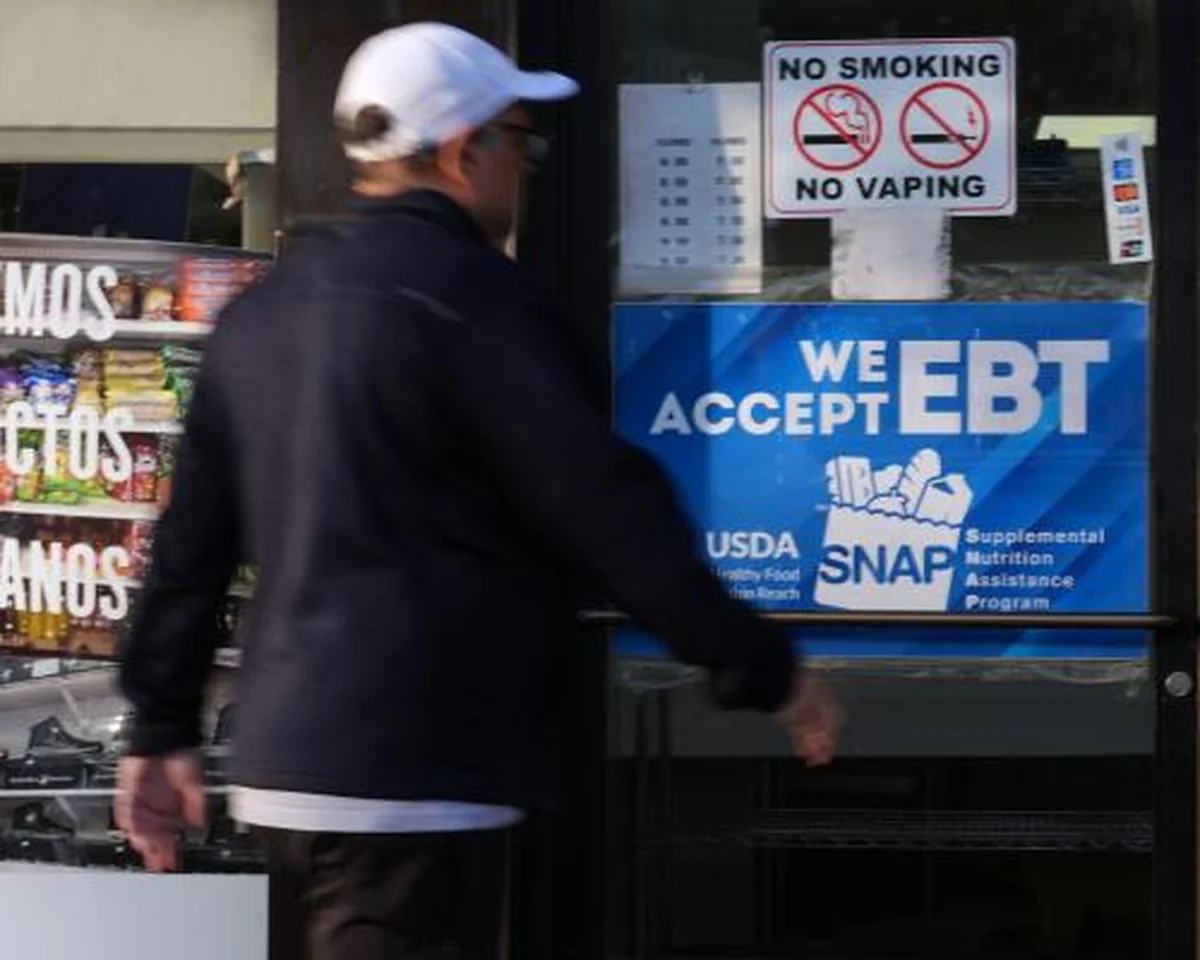
On Friday, the White House experienced a swift rebuff from the nation’s highest judicial body after a federal appeals court ruled the administration was obligated to fully disburse Supplemental Nutrition Assistance Program (SNAP) benefits. Moments after the appeals court decision, the administration promptly sought intervention from the Supreme Court in a bid to halt the order. Officials had specifically requested the Supreme Court block a lower judge’s directive to distribute the full monthly food stamp benefits for November, a period coinciding with a federal government shutdown. However, the Supreme Court denied this request later the same day.
This latest legal maneuver followed separate rulings last week by two different judges, who had mandated the government provide at least a partial payment of these crucial benefits by utilizing an emergency fund. Initially, the administration indicated it would cover 50% of the benefits, a figure later adjusted to 65%. The Supplemental Nutrition Assistance Program is a vital lifeline, relied upon by nearly 42 million Americans to secure food for their households. U.S. District Judge John J. McConnell Jr. had previously set a Friday deadline for the Trump administration to process these payments through SNAP, after the administration had declared last month that it would not issue November benefits due to the ongoing government shutdown.
Federal Judge Curbs National Guard Deployment in Portland
Adding to the administration’s legal woes, U.S. District Court Judge Karin Immergut issued a critical order regarding the deployment of the National Guard to Portland. Her ruling came just minutes before a temporary restraining order related to the matter was set to expire. Judge Immergut, notably nominated to the federal bench by President Trump during his first term, had previously ruled last month that the president’s descriptions of conditions in Portland were “simply untethered to the facts.” These claims, which depicted the city as resembling a “war zone” due to a relatively small protest against immigration raids, were deemed wildly false by the judge.
Nationwide University Protests Escalate
Beyond the courtroom, the Trump administration faced widespread public opposition as students, faculty, and staff across more than 100 university campuses nationwide rallied on Friday. These coordinated demonstrations targeted what organizers described as the administration’s “assault on higher education.” This initial wave of protests is envisioned as the first in a series of planned nationwide actions. Organizers articulate an ambitious long-term strategy, hoping these efforts will culminate in extensive student and worker strikes by next May Day, leading eventually to a nationwide general strike in May 2028.
The confluence of these judicial reversals and escalating public protests underscores a period of intensified legal and political challenges for the Trump administration, highlighting ongoing tensions between executive actions, judicial oversight, and citizen activism.
Source: The Guardian