California’s Toxic Dust Crisis Harms Lungs
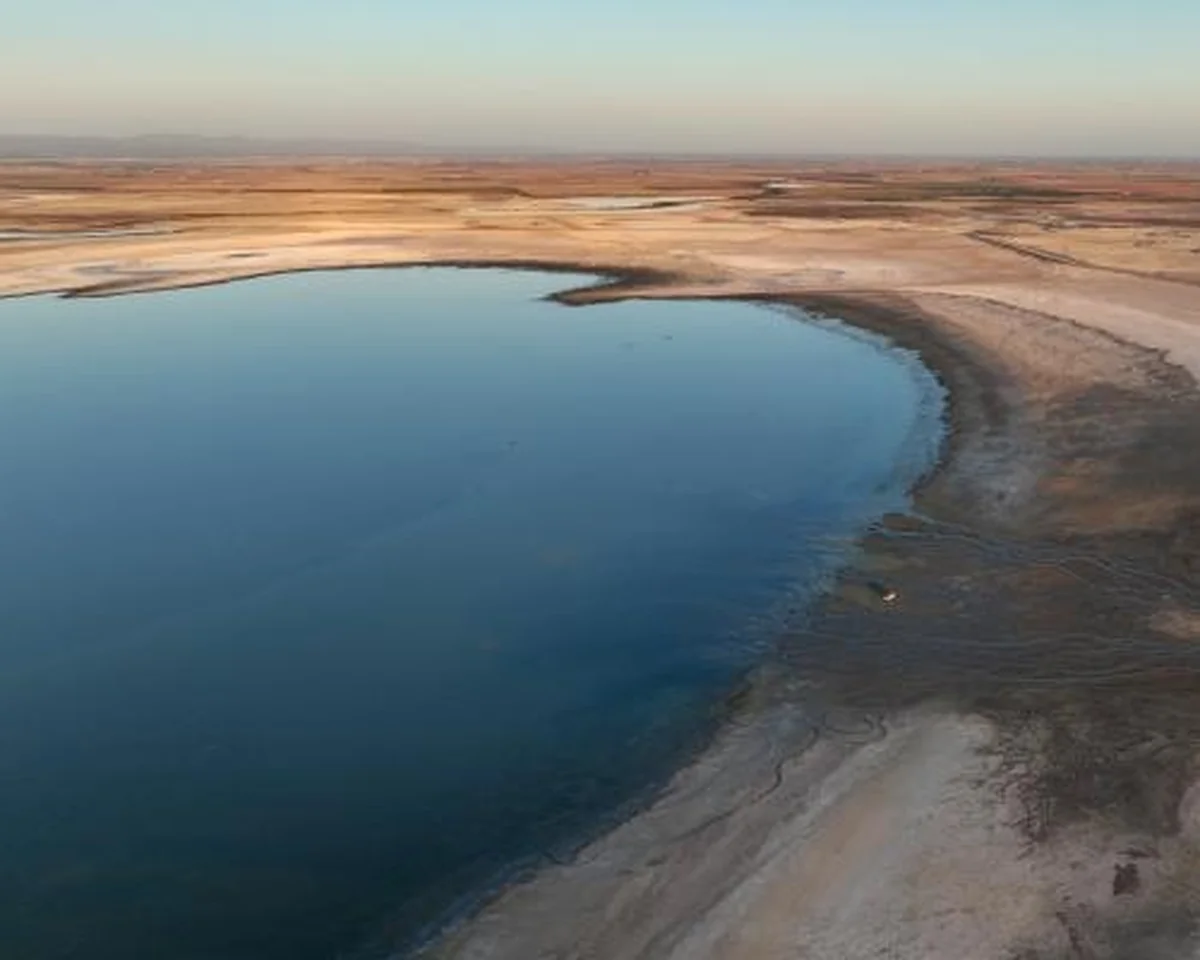
New peer-reviewed research from two University of California institutions reveals that dust emanating from Southern California’s rapidly receding Salton Sea is a significant contributor to respiratory ailments among nearby residents, with children experiencing particularly severe impacts. These findings underscore a growing public health crisis directly linked to the shrinking body of water.
Unveiling the Respiratory Threat
A study led by the University of California, Irvine, provides compelling evidence that airborne particles laden with chemicals from the drying Salton Sea are likely damaging the lungs of individuals residing in surrounding communities. This harm is notably more pronounced in pediatric populations, according to the peer-reviewed findings.
Concurrently, a separate investigation from the University of California, Riverside, also peer-reviewed, indicates that the contaminated dust from the Salton Sea appears to alter the lung microbiome. This alteration could potentially trigger the pulmonary issues that have been widely reported by those living near the lake. Together, these two new papers form part of a broader series of studies that are systematically exposing the environmental and public health hazards associated with the dust generated by the Salton Sea’s desiccation.
Dr. Jill Johnston, a co-author of the UC Irvine study, emphasized the gravity of the situation in a recent statement. “The drying of the Salton Sea is not only an environmental crisis but also a public health crisis,” Johnston stated. “Our study provides concrete evidence that children in surrounding communities are facing measurable harm to their lungs as a result of increased dust exposure.”
The Far-Reaching Impact of Toxic Dust
The Salton Sea, situated approximately 60 miles (95 kilometers) southeast of metropolitan Los Angeles, has become a focal point for environmental and health concerns. Researchers have documented the ability of this hazardous dust to travel more than 100 miles (160 kilometers), despite the prevailing winds typically blowing in a southeasterly direction. This extensive reach highlights the potential for widespread exposure beyond the immediate vicinity of the lakebed.
The challenges observed around the Salton Sea mirror similar issues reported near other drying saline lakes globally, including Utah’s Great Salt Lake. However, the recent research surrounding the California lake is shedding light on a unique combination of factors contributing to its specific public health risks. Advocates point to poorly regulated pesticide use on adjacent croplands, the intensifying climate crisis, and inadequate water-resource management as key drivers.
A Confluence of Crises
Once spanning over 340 square miles, the Salton Sea is rapidly receding. Its primary water source, the Colorado River, is experiencing severe depletion due to an ongoing drought and excessive reliance for both drinking water and agricultural irrigation. As the lake shrinks, vast expanses of its former bed are now exposed. These exposed areas are heavily contaminated with a cocktail of pesticide chemicals, nutrients from fertilizers, and dangerous naturally occurring heavy metals such, as arsenic.
The health risks posed by this toxic dust are disproportionately borne by the largely low-income and Latino populations who reside closest to the lake. These vulnerable communities face the brunt of this complex environmental and public health catastrophe, underscoring urgent calls for intervention and mitigation strategies to protect their well-being.
Source: The Guardian