Congress Acts on Shutdown; Trump Eyes Citizen Payout
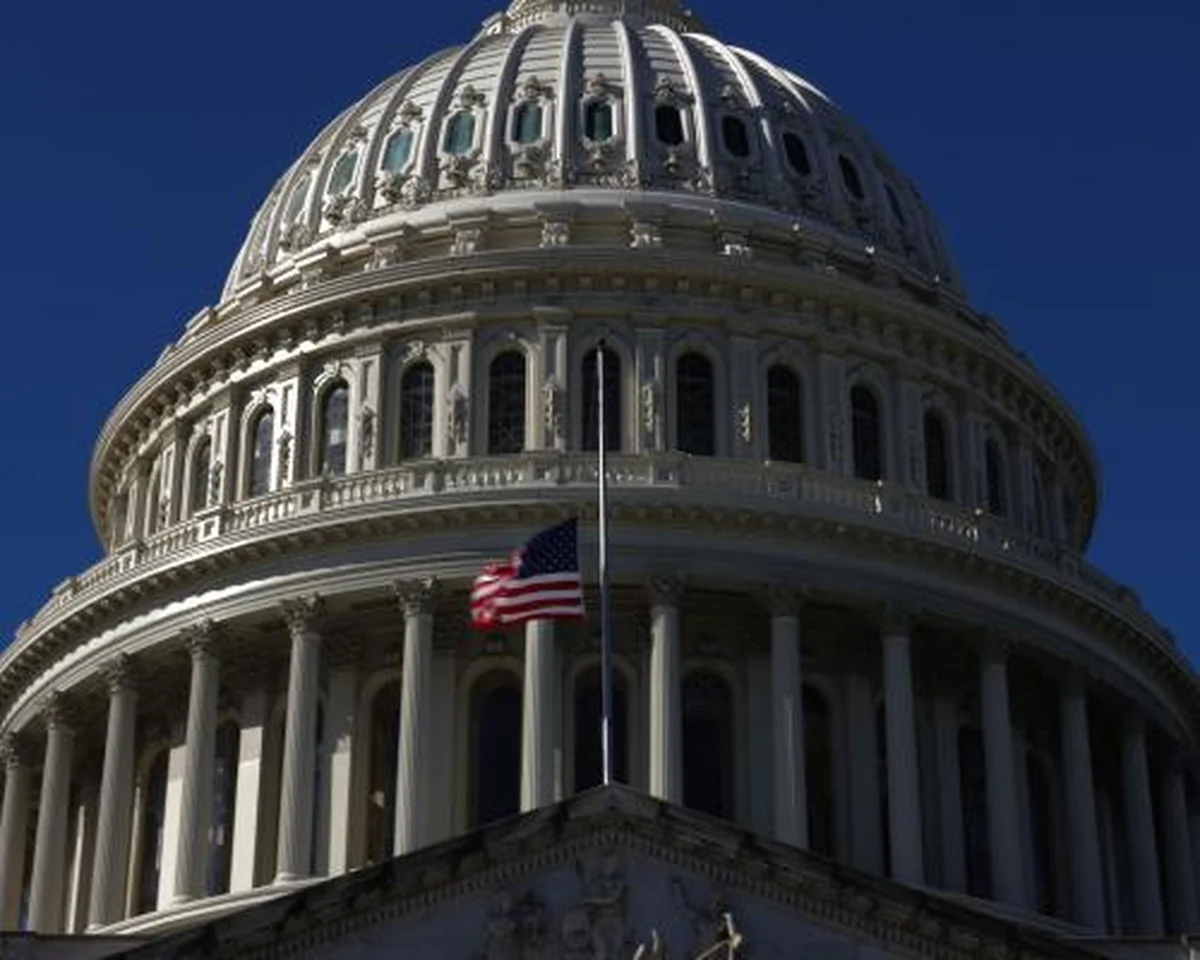
Washington D.C. witnessed a crucial procedural vote on Sunday, signaling a potential first step toward resolving the protracted U.S. government shutdown, now the longest in the nation’s history. With federal services curtailed and hundreds of thousands of employees furloughed or working without pay, the pressure on lawmakers to find a resolution is immense. A bipartisan coalition in the Senate narrowly advanced a funding measure, yet significant hurdles remain before federal operations can fully resume.
Senate Advances Shutdown Funding Bill
The legislative package secured precisely the 60 votes required to move forward in the upper chamber. Support largely came from Republican senators, joined by eight Democrats, many of whom are considered moderate or are nearing the end of their current terms. This compromise, however, notably omits the healthcare subsidies that Democratic lawmakers have consistently advocated for over several weeks. Consequently, the majority of the Democratic caucus ultimately voted against the measure, reflecting deep divisions that persist even as the shutdown’s economic and social impact intensifies across the country.
While the Senate’s Sunday vote marks a significant procedural milestone, the path to reopening the government is far from clear. The bill must still undergo full deliberation and passage in the Senate, followed by approval from the House of Representatives, where many Democratic members have also expressed strong opposition to its current form, citing concerns over its scope and the concessions made.
Travel Disruptions Mount Amid Federal Standoff
Beyond the political stalemate, the federal government shutdown continues to ripple across critical sectors, notably impacting air travel nationwide. Passengers faced escalating flight cancellations and delays throughout the weekend at major U.S. airports, enduring unforeseen disruptions to their travel plans and significant inconvenience. The Federal Aviation Administration (FAA), itself operating with reduced staff, has responded to the ongoing operational challenges by mandating an initial 4% reduction in air traffic to ensure safety and manage capacity.
Should the government shutdown persist without resolution, the FAA has outlined further, more drastic cuts: airlines are instructed to decrease flights by 6% on Tuesday, with an even steeper 10% reduction planned by November 14th. These escalating directives underscore the growing strain on air traffic control, security screening, and other essential services reliant on federal funding and personnel, threatening broader economic consequences.
Trump Considers Tariff Payout to Citizens
Amid the legislative maneuvering and public inconvenience, President Donald Trump introduced a novel economic proposal on Sunday. He publicly contemplated distributing a “dividend of at least $2,000 a person” to most Americans, to be funded by revenues generated from tariffs imposed by his administration. This suggestion is widely interpreted as an evident bid to rally broader public support for his trade policies and potentially divert attention from the ongoing shutdown impasse.
As Washington grapples with the fallout of the unprecedented government shutdown, the coming days will be critical for a resolution. While a Senate vote offered a glimmer of hope, the road ahead is fraught with political challenges, particularly concerning the House’s potential reception of the funding bill and the deep ideological divides. Simultaneously, the practical consequences, from disrupted air travel to the President’s unconventional economic proposals, continue to shape the national discourse and impact everyday Americans.
Source: The Guardian