US Defense Sec. Confirms Six Killed in New Anti-Drug Strikes
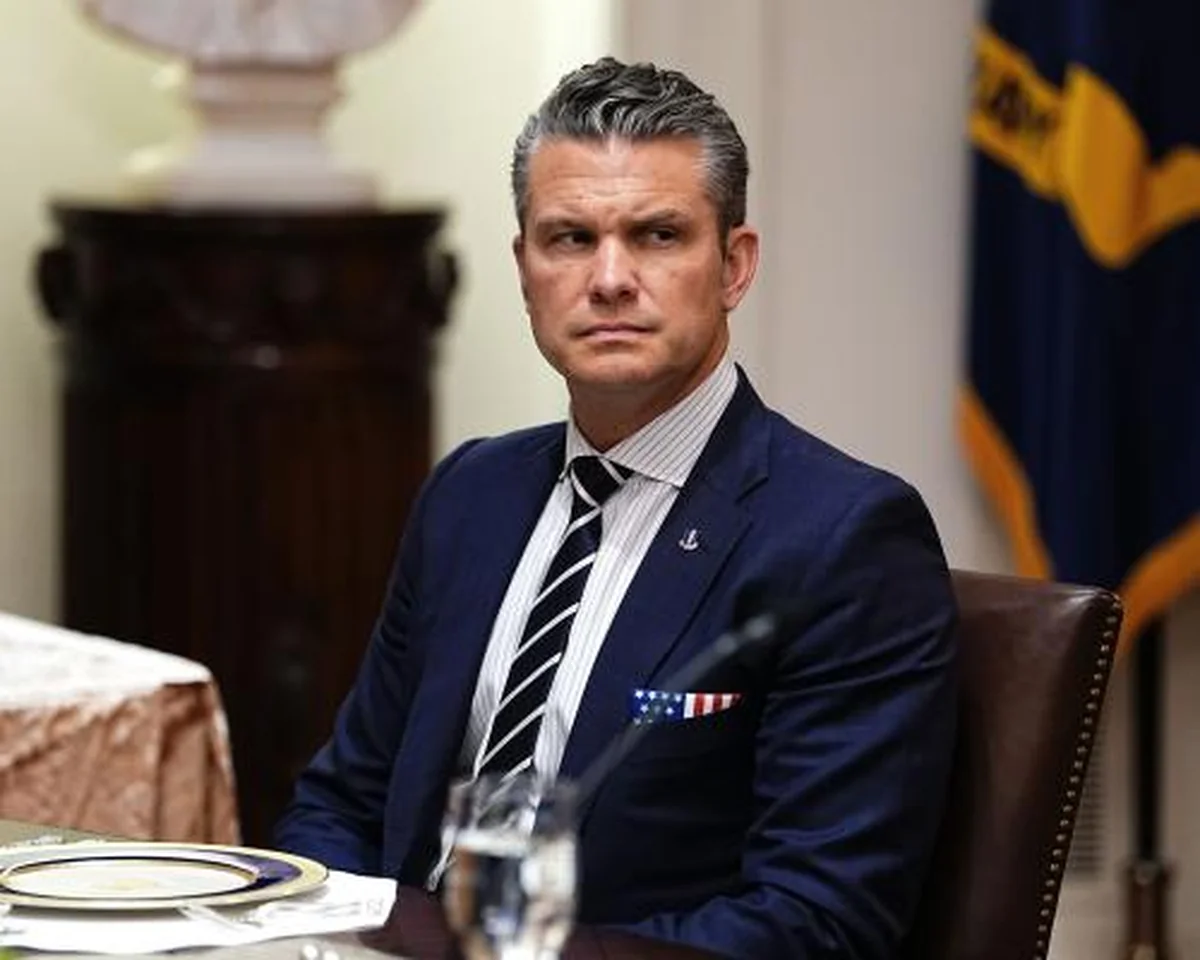
The Trump administration’s defense secretary, Pete Hegseth, has confirmed that US forces conducted two additional strikes against suspected drug trafficking vessels off the coast of South America, resulting in the deaths of six individuals.
These latest fatalities bring the total number of people killed in such operations to over 70 since the United States initiated these controversial interdictions in early September. The US has been targeting maritime vessels in both the Caribbean and the eastern Pacific, operations that some legal experts argue constitute extrajudicial killings, even when aimed at known traffickers.
Escalating US Operations in International Waters
In a recent statement, Secretary Hegseth detailed the specifics of the most recent actions. “Yesterday, at the direction of President Trump, two lethal kinetic strikes were conducted on two vessels operated by Designated Terrorist Organizations,” Hegseth announced. He further clarified in a post on X, “Both strikes were conducted in international waters and 3 male narco-terrorists were aboard each vessel. All 6 were killed. No US forces were harmed.”
Hegseth underscored the administration’s rationale, asserting, “Under President Trump, we are protecting the homeland and killing these cartel terrorists who wish to harm our country and its people.” He also stated that intelligence indicated these vessels were “known by our intelligence to be associated with illicit narcotics smuggling, were carrying narcotics, and were transiting along a known narco-trafficking transit route in the Eastern Pacific.”
Despite these assertions, Washington has yet to publicly release concrete evidence to substantiate its claims that the targeted individuals were actively smuggling narcotics or posed a direct threat to the United States.
International Condemnation and Sovereignty Concerns
The US operations have drawn significant international criticism, sparking debates over international law and human rights. The United Nations human rights chief has unequivocally denounced the American strikes on alleged drug dealers, labeling them “unacceptable” and a clear “violation of international human rights law.”
Venezuela, a South American nation, has also vehemently condemned the actions, branding them “illegal,” amounting to “murder,” and an act of “aggression” against its sovereignty. Venezuelan President Nicolás Maduro has openly accused then-President Donald Trump of actively seeking to destabilize and topple his government. While the US president has downplayed these specific allegations, reports have surfaced detailing the administration’s close engagement with Venezuela’s political opposition.
Adding to regional tensions, the US significantly bolstered its military presence in the Caribbean in September. This deployment included a nuclear submarine and a formidable group of warships, accompanying one of the world’s largest aircraft carriers. This substantial military buildup further fueled Maduro’s strong reactions and accusations against the US.
The ongoing US policy of lethal interdiction in international waters continues to generate controversy, balancing perceived national security interests against international legal norms and human rights concerns, with no immediate resolution in sight.
Source: The Guardian