Vaccine Skeptic Tapped for Top CDC Leadership Role
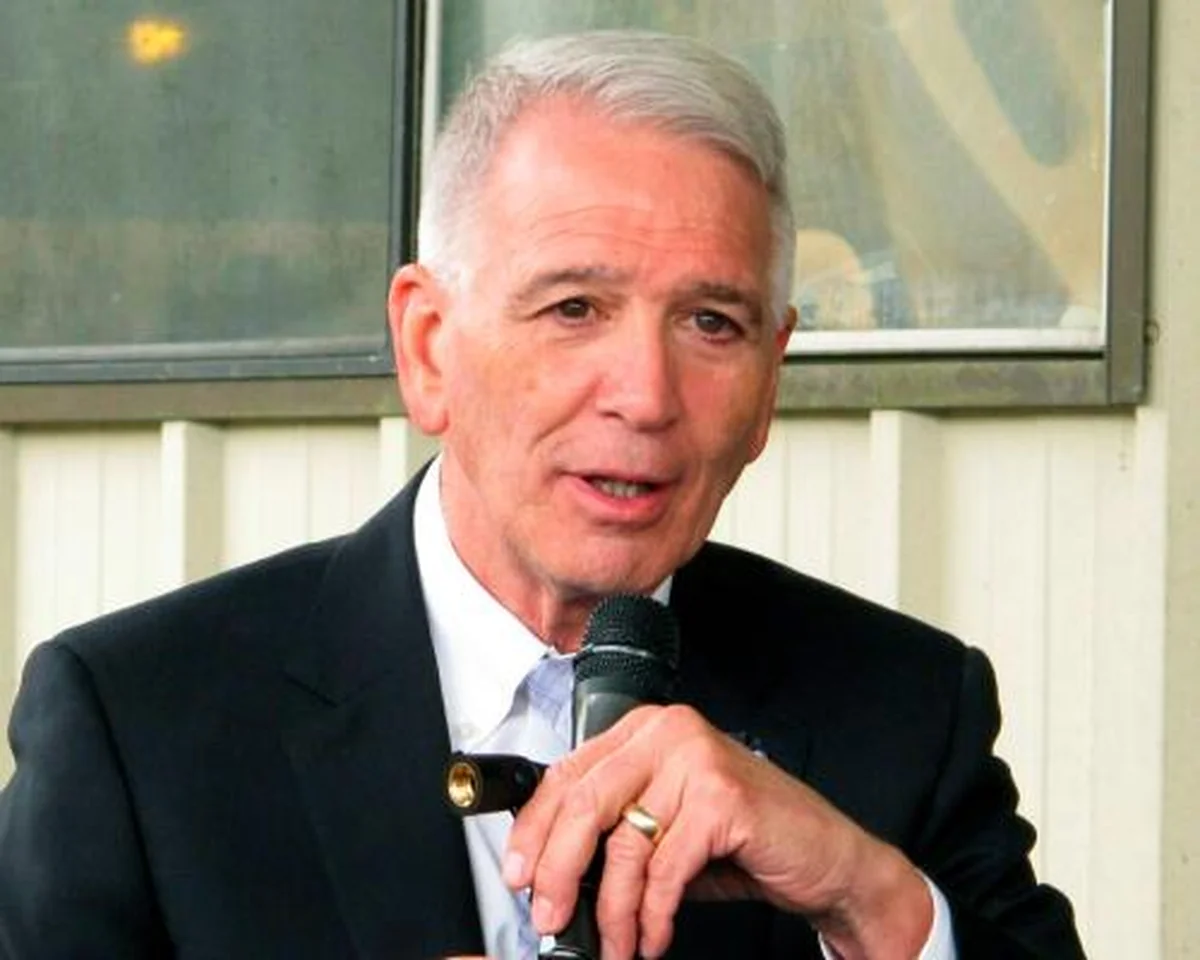
A prominent Louisiana health official, Ralph Abraham, who previously voiced strong skepticism about COVID-19 immunizations, has been named the principal deputy director for the Centers for Disease Control and Prevention (CDC). The revelation on Tuesday has sparked considerable apprehension among public health experts, given Abraham’s past characterization of COVID-19 vaccines as “dangerous” and his efforts to halt mass vaccination campaigns.
While the Department of Health and Human Services (HHS) has yet to issue a formal public announcement, Abraham’s name now appears in the federal agency’s internal database, listing him in the key leadership role effective this week. An HHS spokesperson confirmed the appointment to the Washington Post, solidifying the controversial move.
A Disputed New Role at the CDC
Abraham’s ascension to this influential position is poised to intensify existing divisions surrounding national vaccine policy. This development aligns with a broader restructuring effort at federal health agencies under the direction of Health Secretary Robert F. Kennedy Jr., who has signaled a clear intent to prioritize perspectives critical of established vaccine science.
The CDC is currently operating without a permanent director, following the departure of Susan Monarez earlier this summer. Jim O’Neill, the HHS deputy secretary, is presently serving as the acting CDC director. Consequently, Abraham’s new role effectively places him as the institution’s second-in-command, wielding significant influence over the nation’s premier public health body.
Shifting US Public Health Direction
As Louisiana’s surgeon general since 2024, Abraham garnered significant criticism for actively discouraging state health agencies from promoting widespread vaccination as a primary public health strategy. He also publicly denounced what he termed “blanket government mandates” related to immunizations, advocating for a more individualized approach to medical decisions.
Abraham’s Philosophy on Medical Autonomy
Earlier this year, Abraham articulated his views on government involvement in healthcare, attributing a decline in public trust to “missteps” during the COVID-19 pandemic. He penned, “Government should admit the limitations of its role in people’s lives and pull back its tentacles from the practice of medicine.” He further emphasized his belief that “restoring this trust requires returning medical decisions to the doctor-patient relationship, where informed, personalized care is guided by compassion and expertise rather than blanket government mandates.” These statements underscore a philosophical stance that challenges conventional public health interventions.
Agency Under Scrutiny
The Atlanta, Georgia-headquartered CDC has faced a period of considerable turbulence, including a recent leadership vacuum and an incident where a gunman opened fire at its campus, further unsettling the agency. Abraham’s appointment, therefore, comes at a sensitive time, adding another layer of complexity to the CDC’s ongoing challenges and its mission to safeguard public health.
His past statements and policy positions suggest a significant departure from the CDC’s historical emphasis on widespread vaccination as a cornerstone of disease prevention. This shift in leadership signals a potentially transformative period for US public health policy, with implications for how the nation approaches future health crises and vaccine-related strategies.
Source: The Guardian