Unpacking ‘Trump Accounts’: A New Era for Child Investment?
A significant philanthropic pledge this week has reignited discussions surrounding the federal government’s new individual investment accounts for children, commonly known as “Trump accounts.” On Tuesday, tech magnate Michael Dell and his wife, Susan, announced a monumental $6.25 billion contribution earmarked for 25 million children under the age of 10, prompting fresh inquiries into the operational mechanics and ultimate beneficiaries of this groundbreaking initiative.
The establishment of these specialized accounts was a key component of a comprehensive tax and spending package championed by former President Donald Trump, which he officially enacted into law in July. Designed to foster long-term financial growth for young Americans, the program promises an initial $1,000 deposit from the administration for every child born between January 1, 2025, and December 31, 2028. This foundational sum will then be strategically invested.
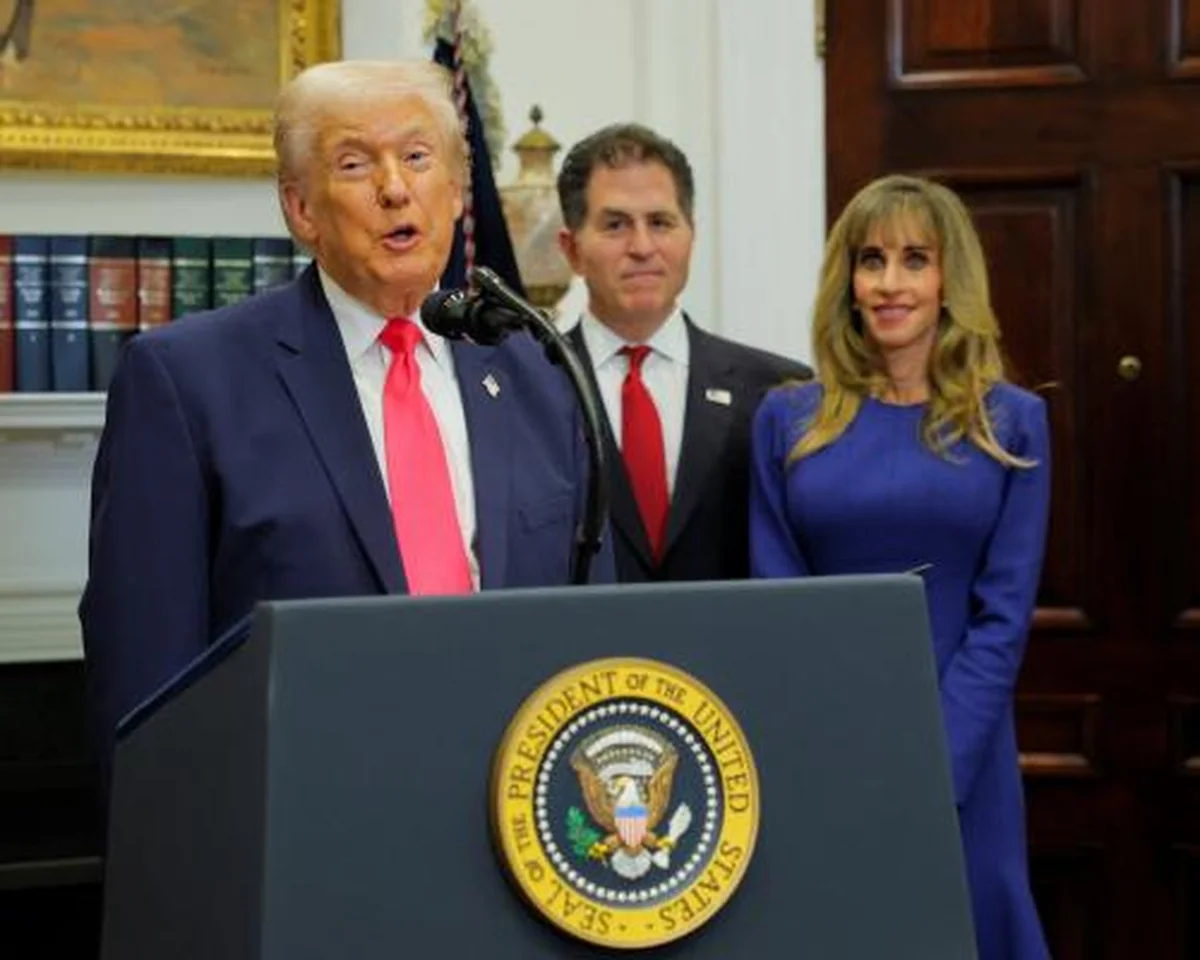
“Trump accounts will be the first – I guess you could say – first real trust funds for every American child, allowing family members, employers, corporations, generous donors to contribute money that will be invested and grow,” Trump stated during a White House press conference primarily focused on the Dell family’s substantial donation. While the White House offered additional clarity on the future trajectory of these accounts during the event, numerous specifics remain to be fully detailed.
Eligibility and Activation
The question of who qualifies for a “Trump account” is straightforward: any individual possessing a social security number and under the age of 18 is eligible to open one. However, the system for these accounts is not set to become fully operational until July 4, 2026. Once active, parents and legal guardians will bear the responsibility for both establishing and actively managing these investment portfolios on behalf of their children.
Contribution Guidelines
A critical aspect of the “Trump accounts” initiative is its flexibility regarding contributions. A wide array of individuals and entities are permitted to contribute financially. This includes the children themselves, their parents or guardians, extended family members, friends, and even employers. These general contributors are allowed to deposit up to $5,000 annually per child. Importantly, the initial $1,000 contribution provided by the U.S. government will not count against this yearly limit, ensuring families can maximize additional savings.
Beyond individual and corporate donations, the program also welcomes unlimited contributions from philanthropists, charitable organizations, and certain governmental bodies, such as states or recognized tribal entities. This provision opens avenues for significant, large-scale support that could dramatically boost the long-term potential of these accounts for millions of children.
The Dell Foundation’s Impactful Gift
The Dell family’s impressive $6.25 billion contribution is specifically targeted to address financial disparities. This substantial sum will be allocated to children residing in specific zip codes where the median household income falls below $150,000 per year. For each qualifying child within these designated areas, the Dell Foundation’s generosity is expected to provide an additional approximately $250, further bolstering their nascent investment accounts.
While many finer points are still being ironed out, the core principle of the “Trump accounts” is clear: the money deposited will be invested. This long-term investment strategy aims to harness the power of compounding returns, potentially providing a significant financial foundation for millions of young Americans as they reach adulthood. The initiative represents a bold step toward universal financial empowerment, with the promise of future growth for its beneficiaries.
Source: The Guardian