Deadly US Maritime Strikes Spark Outcry, First Complaint Filed
Washington D.C. — A series of lethal U.S. maritime operations targeting alleged drug trafficking vessels has ignited a firestorm of bipartisan condemnation in the nation’s capital. Lawmakers are now intensely scrutinizing whether a controversial “double-tap” tactic, which reportedly resulted in the deaths of survivors from an initial attack, could constitute a war crime.
Amidst the escalating controversy, both the Pentagon and key figures within the Trump administration have appeared to deflect responsibility toward Admiral Frank M. Bradley. Bradley, who oversaw the contentious operations, had received authorization from Defense Secretary Pete Hegseth. Despite the growing legal and ethical questions, officials maintain that the missions were conducted lawfully.
Controversial Maritime Operations Under Scrutiny
The core of the dispute centers on a September 2 incident where a U.S. strike on an alleged drug boat was reportedly followed by a second attack, killing those who had survived the initial assault. This “double-tap” strategy has prompted grave concerns among members of Congress, who are demanding answers regarding the rules of engagement and the potential violation of international law. The Pentagon, however, has vowed to press ahead with similar operations, even as the investigation into potential war crimes deepens.
Sources within the administration have suggested that the Pentagon is effectively “scapegoating” Admiral Bradley for what some describe as an extrajudicial strike. Bradley is scheduled to provide a classified briefing to congressional oversight committees on Thursday, where he is expected to address the specifics of the maritime actions.
First Formal Complaint Filed Against Administration
The gravity of the situation was underscored when the family of a Colombian man, who was killed in one of these U.S. strikes, lodged a formal complaint. This marks the first official legal filing against the Trump administration directly related to the U.S. operations targeting suspected drug vessels. The complaint adds a critical dimension to the ongoing debate, moving the discussion beyond legislative inquiry into the realm of legal accountability for the deaths.
Administration Defends Actions Amidst Blame Game
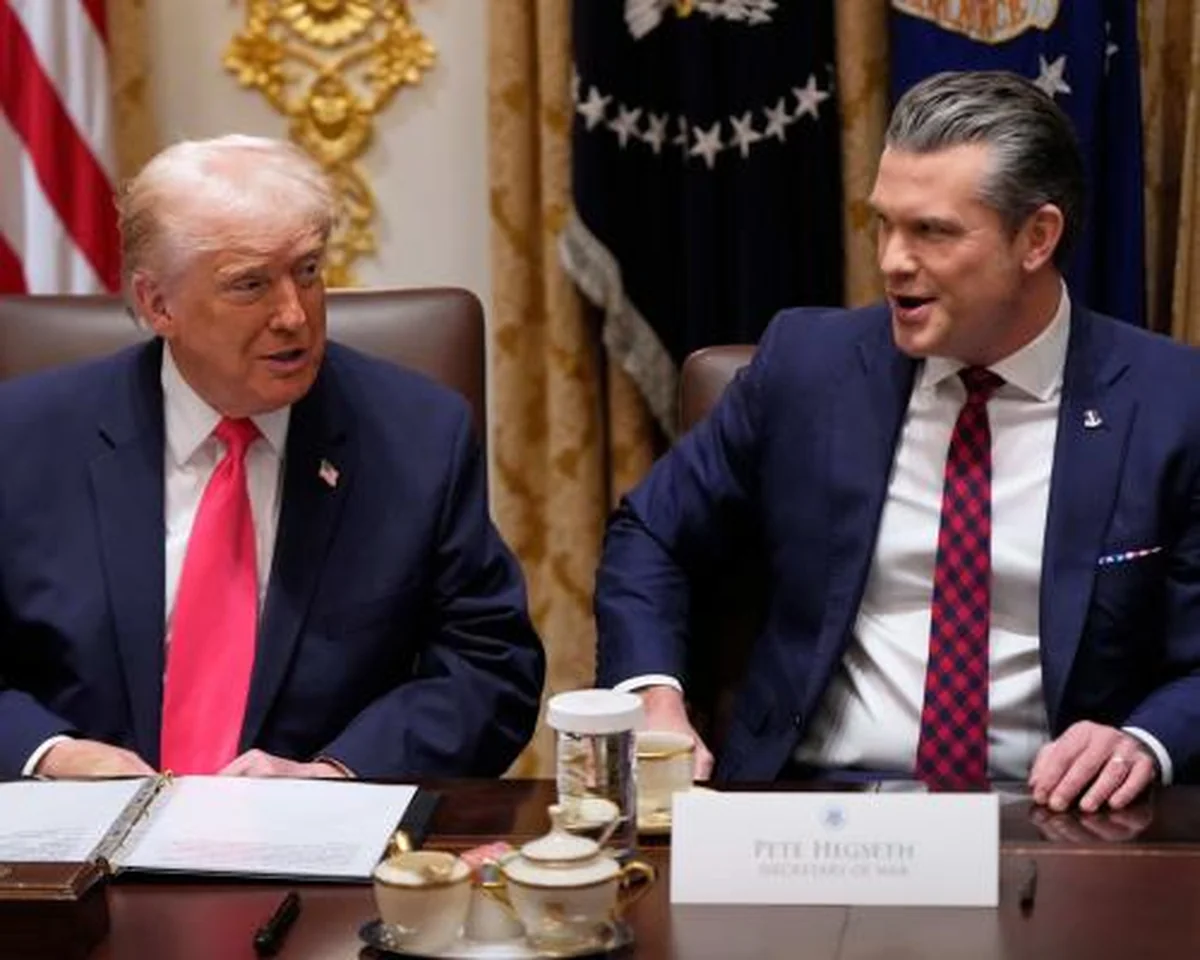
During a cabinet meeting held on Tuesday, Defense Secretary Pete Hegseth staunchly defended the military’s actions and offered support for its commanders. Flanked by President Donald Trump, Hegseth declared, “We’ve only just begun striking narco boats and putting narco terrorists at the bottom of the ocean.” He also expressed confidence in Admiral Bradley, stating that President Trump “always has our back” and that “we always have the back of our commanders who are making decisions in difficult situations.” This public defense comes as Bradley prepares to face lawmakers, highlighting the administration’s resolve despite the intense scrutiny.
Trump Escalates Anti-Drug Rhetoric
Earlier the same day, President Donald Trump significantly intensified his rhetoric on drug trafficking. During the cabinet meeting, he issued a stark warning, threatening military action against any nation he alleges is illegally funneling narcotics into the United States. Later, during a White House question-and-answer session, the U.S. president reiterated his stance, asserting that any country he believes is manufacturing drugs destined illegally for the U.S. is vulnerable to a military attack. He also indicated that military action could extend to land targets.
The confluence of these events—deadly maritime strikes, allegations of war crimes, a formal complaint from a victim’s family, and the President’s escalating threats—paints a picture of a Trump administration determined to combat drug trafficking with aggressive tactics, even as it faces mounting domestic and international pressure.
Source: The Guardian