Trump Admin Toughens Visa Rules for Content Moderators
The Trump administration has initiated a significant policy shift aimed at restricting visa access for individuals perceived to be involved in suppressing the free speech of American citizens. This move, outlined in a State Department memorandum dispatched to diplomatic outposts globally this week, signals a formal escalation in the government’s stance against certain online activities.
The directive, initially brought to light by Reuters and subsequently confirmed by NPR, instructs consular officers to reject visa applications from individuals found to be “responsible for, or complicit in, censorship or attempted censorship of protected expression in the US.” While State Department officials have not publicly denied the existence or content of the memo, its implications are far-reaching for foreign nationals working in specific sectors.
Enhanced Vetting for Tech Workers and Beyond
A key component of the new policy is the requirement for intensified scrutiny of visa applicants. Consular officials are now mandated to examine professional backgrounds for involvement in fields encompassing “misinformation, disinformation, content moderation, fact-checking, compliance and online safety, among others,” as detailed by Reuters. This enhanced vetting process is designed to identify and bar individuals whose work aligns with the administration’s definition of censorship.
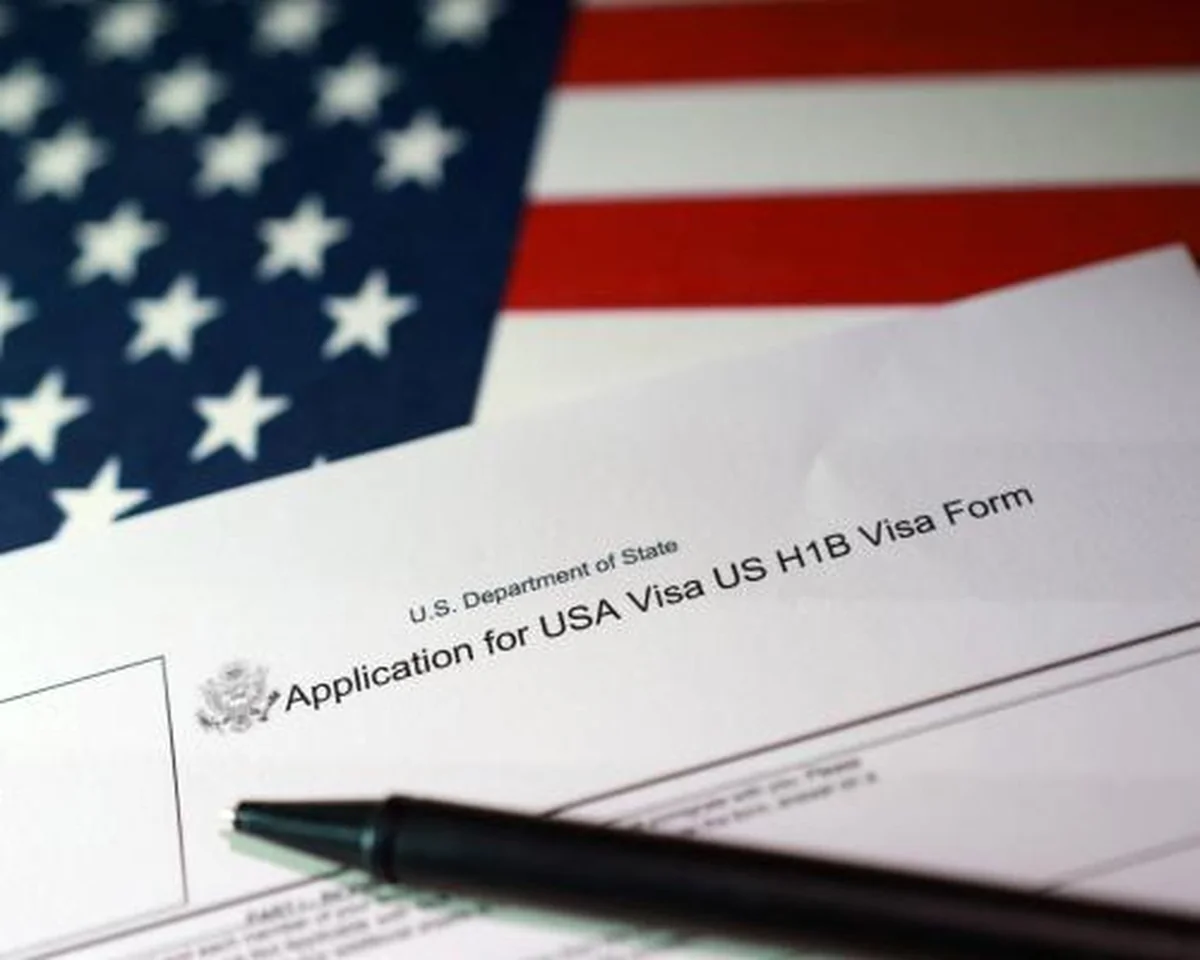
The directive is set to primarily impact applicants for H-1B visas, which are commonly granted to highly skilled foreign workers, particularly within the technology industry. However, the scope of the new rules is not limited to H-1B applicants; the news agency noted that the policy is applicable to all visa categories, suggesting a broader impact across various sectors and visa types.
Part of Broader Immigration Restrictions
This latest action by the Trump administration aligns with a series of recent efforts by Donald Trump to tighten legal immigration pathways to the United States through consular channels. It also fulfills a pledge made in May by Secretary of State Marco Rubio, who vowed to deny entry to the U.S. for anyone deemed to be undermining the free speech “essential to the American way of life.”
Rubio articulated his position clearly in a social media post on X at the time, stating, “Foreigners who work to undermine the rights of Americans should not enjoy the privilege of traveling to our country. Whether in Latin America, Europe, or elsewhere, the days of passive treatment for those who work to undermine the rights of Americans are over.” This strong statement underscored the administration’s intent to leverage immigration policy as a tool to protect perceived First Amendment rights.
Targeting Fact-Checking and Content Moderation
According to NPR, which reported the memo’s distribution to U.S. foreign stations on Tuesday, diplomatic personnel are explicitly instructed to decline visa applications from individuals whose work history includes fact-checking, content moderation, “or other activities the Trump administration considers ‘censorship’ of Americans’ speech.” This specific targeting of roles integral to online platforms raises questions about the definition of “censorship” and its application in visa determinations.
Consular officers are directed to thoroughly scrutinize an applicant’s work history, including examining past employment and responsibilities, to uncover any evidence of involvement in these proscribed activities. The policy represents a significant shift in how the U.S. evaluates foreign nationals seeking entry, potentially creating new hurdles for a wide range of professionals in the digital sphere.
The implementation of this directive marks a notable expansion of the administration’s immigration policies, linking visa eligibility directly to perceived actions related to online expression. As overseas missions begin to enforce these new guidelines, the policy is expected to generate considerable discussion and potential challenges within the international technology and media communities.
Source: The Guardian