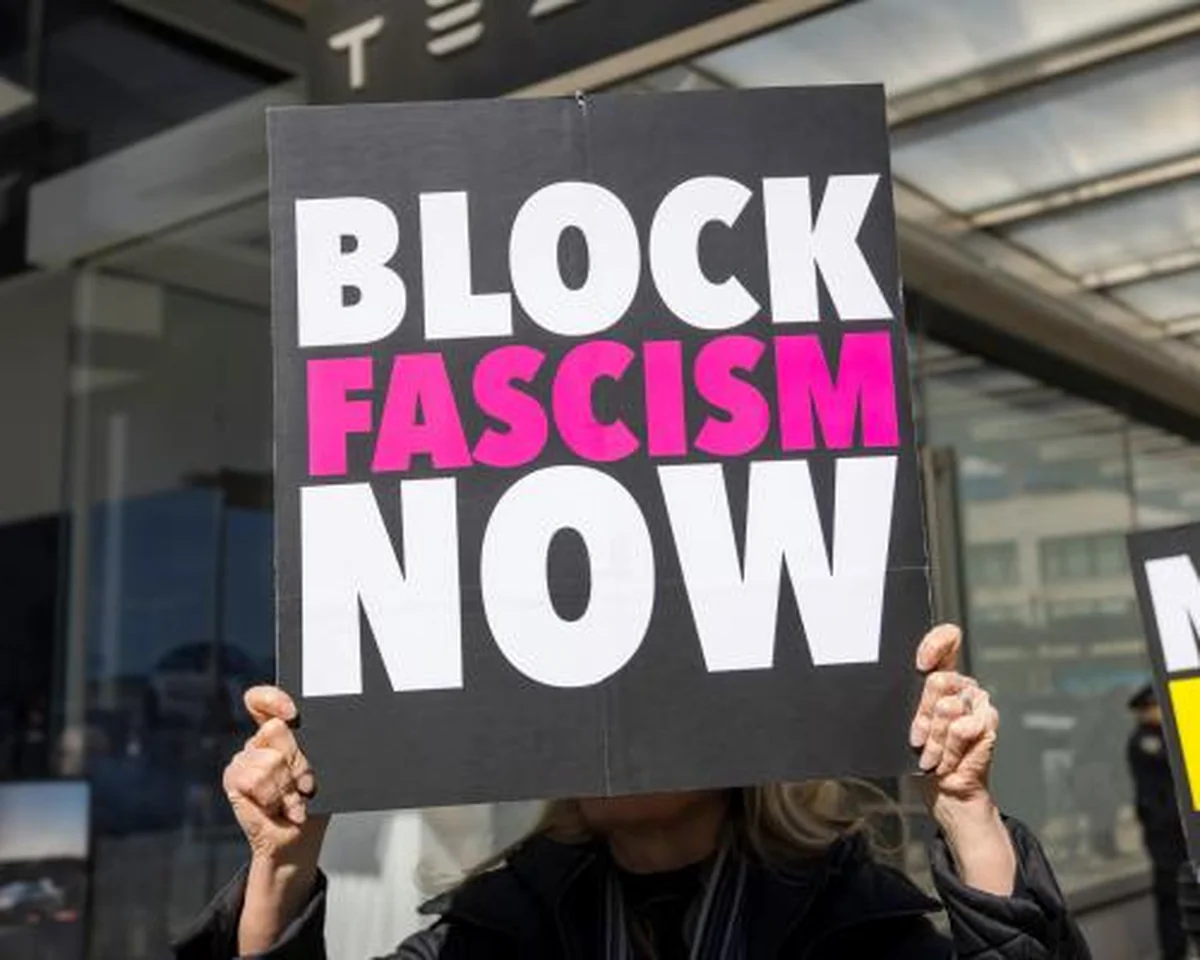
Trump Declares Antifa a Terrorist Organization
President Donald Trump issued an executive order Monday classifying the anti-fascist movement, Antifa, as a domestic terrorist organization. This controversial action, announced initially on his Truth Social platform, follows the recent killing of conservative commentator Charlie Kirk in Utah. The order characterizes Antifa as a “militarist, anarchist group advocating the violent overthrow of the U.S. government and established legal structures.”
Legal and Constitutional Challenges
Trump’s declaration immediately sparked intense debate among legal experts. Heidi Beirich, co-founder of the Global Project Against Hate and Extremism and a recognized expert witness before Congress on extremism, sharply criticized the move. “This action is legally baseless,” Beirich stated, highlighting the absence of a legal framework for designating domestic political groups as terrorist organizations under U.S. law. Concerns about infringing on First Amendment rights related to freedom of speech and association are central to this legal hurdle. Unlike the designation of foreign terrorist organizations, such as ISIS, there is no comparable domestic mechanism due to these constitutional protections.
The Aftermath of Kirk’s Death
The president directly linked the killing of Charlie Kirk to “radical left-wing political violence,” asserting that this violence fuels domestic terrorism. However, no evidence has emerged publicly connecting the suspected perpetrator to Antifa. This lack of evidence further fuels criticism of the executive order’s justification.
Lack of Evidence and Expert Opinion
The absence of concrete evidence linking the suspected assailant in the Kirk murder to Antifa has raised significant questions about the president’s claims. Many experts have pointed out the inherent difficulty in definitively linking such a broad and decentralized movement to individual acts of violence. The president’s order has been described by some as politically motivated, leveraging a tragic event to advance a pre-existing agenda.
Domestic Terrorism Designation: A Complex Issue
The challenges in defining and addressing domestic terrorism are multifaceted. The decentralized nature of many extremist groups, coupled with constitutional protections of free speech, makes the creation of a domestic terrorist organization list a complex legal and political undertaking. The current legal framework primarily focuses on prosecuting individuals for specific acts of violence, rather than broadly labeling entire movements as terrorist organizations.
Potential Consequences and Reactions
The ramifications of Trump’s executive order remain uncertain. Legal challenges are anticipated, and the order’s enforceability is widely questioned. The move has been met with swift condemnation from civil liberties groups and some legal scholars who argue it sets a dangerous precedent, potentially chilling free speech and political dissent.
The ongoing debate underscores the complexities of combating extremism while upholding fundamental constitutional rights. The president’s decision to label Antifa a terrorist organization without apparent legal basis has sparked a significant legal and political firestorm.
Source: The Guardian