Kimmel’s Popularity Surges Past Trump After Suspension
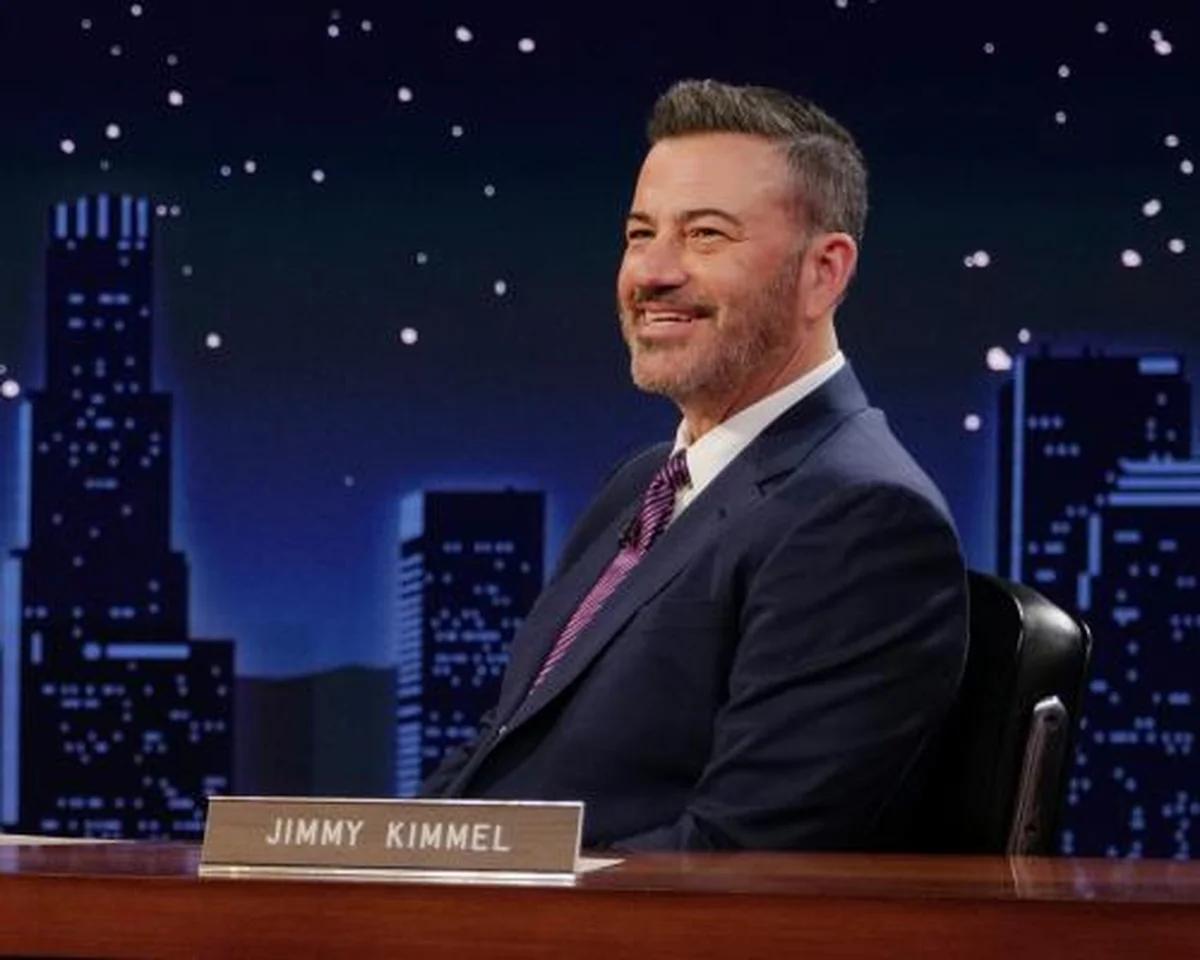
In a surprising turn of public opinion, late-night host Jimmy Kimmel registered significantly higher favorability ratings than former President Donald Trump following a contentious incident that briefly saw Kimmel’s show pulled from the airwaves in September. A recent nationwide survey, conducted by The Economist and YouGov, revealed a stark contrast in how American adults perceived the two figures in the wake of the controversy.
Post-Suspension Popularity Shift
The poll, which surveyed 1,656 adults across the United States between September 26 and 29, found Kimmel with a net favorability of +3. This figure resulted from 44% of respondents viewing him favorably, 41% unfavorably, and 15% remaining undecided. Donald Trump, conversely, recorded a net favorability of -13. His numbers showed 41% of adults viewing him favorably, a higher 54% unfavorably, and 5% undecided. This 16-point disparity positioned Kimmel considerably ahead of Trump in terms of public approval, marking a notable shift in perception.
The Catalyst: A Contentious Suspension
The dramatic swing in Kimmel’s favorability stemmed directly from a dispute with the Trump administration that led to his temporary suspension. On September 17, ABC announced it was taking Kimmel’s program off the air after the comedian had sharply criticized the administration’s response to the killing of right-wing political activist Charlie Kirk the previous week. The move quickly escalated into a national debate.
FCC’s Role and Public Outcry
The suspension was not without direct pressure from Washington. Brendan Carr, the Chair of the Federal Communications Commission (FCC) and a known ally of Trump, had reportedly threatened to revoke the broadcast licenses of ABC affiliates if the network did not take action against Kimmel. This intervention ignited widespread protests, fueled concerns over free speech, and prompted calls for a boycott of products owned by ABC’s parent company, Disney.
Reinstatement and Trump’s Response
The public backlash proved effective. Just six days after the initial announcement, ABC reinstated Kimmel, a decision largely credited by industry peers to the pressure exerted by the Disney boycotts. By September 26, two major companies collectively owning 70 ABC affiliates, which had initially continued to keep Kimmel’s show off their airwaves despite the network’s reinstatement, agreed to broadcast it once more, ensuring the comedian’s full return to television.
Donald Trump’s reactions to the unfolding events were vociferous and public. Initially, he celebrated ABC’s decision to suspend Kimmel, proclaiming it “great news for America.” However, upon Kimmel’s swift reinstatement, Trump’s tone shifted dramatically. He took to social media, expressing disbelief: “I can’t believe ABC… gave Jimmy Kimmel his job back,” and further denigrated the network as “a true bunch of losers!”
Measuring Public Opinion
The Economist and YouGov poll, conducted in the immediate aftermath of these events, captured the public’s sentiment during a period of intense media and political scrutiny. The findings suggest that the controversy, far from diminishing Kimmel’s standing, may have inadvertently bolstered his appeal among a significant segment of the American populace, while potentially solidifying negative views of the former president.
The incident highlights the volatile interplay between media, politics, and public perception, demonstrating how a high-profile dispute can rapidly reconfigure favorability metrics for public figures.
Source: The Guardian