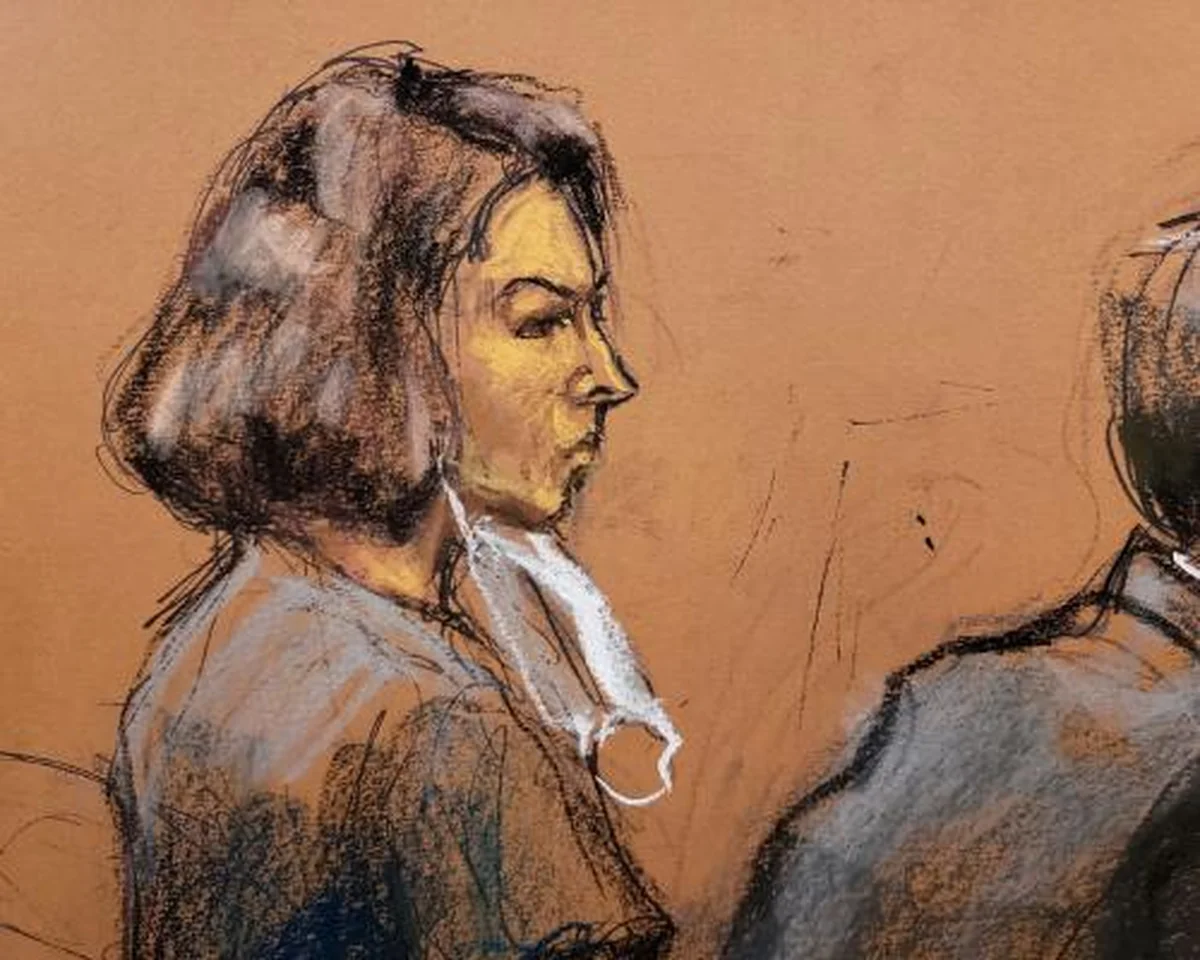
High Court Upholds Ghislaine Maxwell’s Sex-Trafficking Conviction
The U.S. Supreme Court has definitively closed the chapter on Ghislaine Maxwell’s legal challenges, rejecting her appeal to overturn a sex-trafficking conviction tied to the notorious financier Jeffrey Epstein. This pivotal decision solidifies the 2021 verdict against the 63-year-old former socialite, effectively extinguishing her judicial battle for exoneration.
With the high court’s refusal to hear the case, Maxwell’s 20-year prison sentence, handed down in 2022, stands firm. Her only remaining path for an early release now rests solely on the unlikely prospect of presidential clemency.
David Oscar Markus, Maxwell’s attorney, voiced profound disappointment regarding the Supreme Court’s stance. In a statement to CNN, Markus affirmed, “We’re, of course, deeply disappointed that the Supreme Court declined to hear Ghislaine Maxwell’s case.” He quickly added a defiant note, emphasizing that “this fight isn’t over.” Markus asserted that “serious legal and factual issues remain,” signaling his intent to “continue to pursue every avenue available to ensure that justice is done,” hinting at potential future legal maneuvers despite the Supreme Court’s finality on this particular appeal.
Broader Quest for Accountability
Despite widespread public and political pressure for a more expansive reckoning, Maxwell remains the sole individual successfully prosecuted for crimes related to Epstein’s extensive, two-decade-long sex-trafficking enterprise. Calls from across the American political spectrum continue to demand justice for other alleged co-conspirators and clients implicated in the illicit network.
DOJ’s Controversial Stance
Earlier this year, a contentious decision by the FBI and Justice Department ignited a political firestorm. The agencies stated they had “labored to provide the public with maximum information regarding Epstein and ensured examination of any evidence in the government’s possession,” concluding that “no further disclosure would be appropriate or warranted.” This memo drew sharp criticism from lawmakers and survivors of Epstein’s abuse, who vehemently demanded greater accountability.
In the wake of this controversy, Todd Blanche, the U.S. Deputy Attorney General, conducted an interview with Maxwell at a Florida prison. While audio recordings and transcripts of their meeting were subsequently released, they reportedly yielded little new substantive information. Maxwell has since been transferred to a lower-security federal facility in Texas.
Core of the Rejected Appeal
Maxwell’s central argument to the nation’s highest court hinged on a controversial 2008 non-prosecution agreement. She contended that this agreement, forged between Epstein and Florida prosecutors, should have extended protection to her as an alleged co-conspirator, effectively shielding her from the sex-trafficking charges she ultimately faced and was convicted of. This legal strategy sought to leverage a deal originally intended for Epstein to invalidate her own prosecution.
The Supreme Court’s definitive rejection marks a significant legal milestone in the Epstein saga, yet it leaves lingering questions about the full scope of accountability for those involved in his heinous network. While Maxwell’s judicial options are exhausted, the broader demand for justice for Epstein’s victims continues.
Source: The Guardian