Stephen Miller, ‘Plenary Authority,’ and Presidential Power
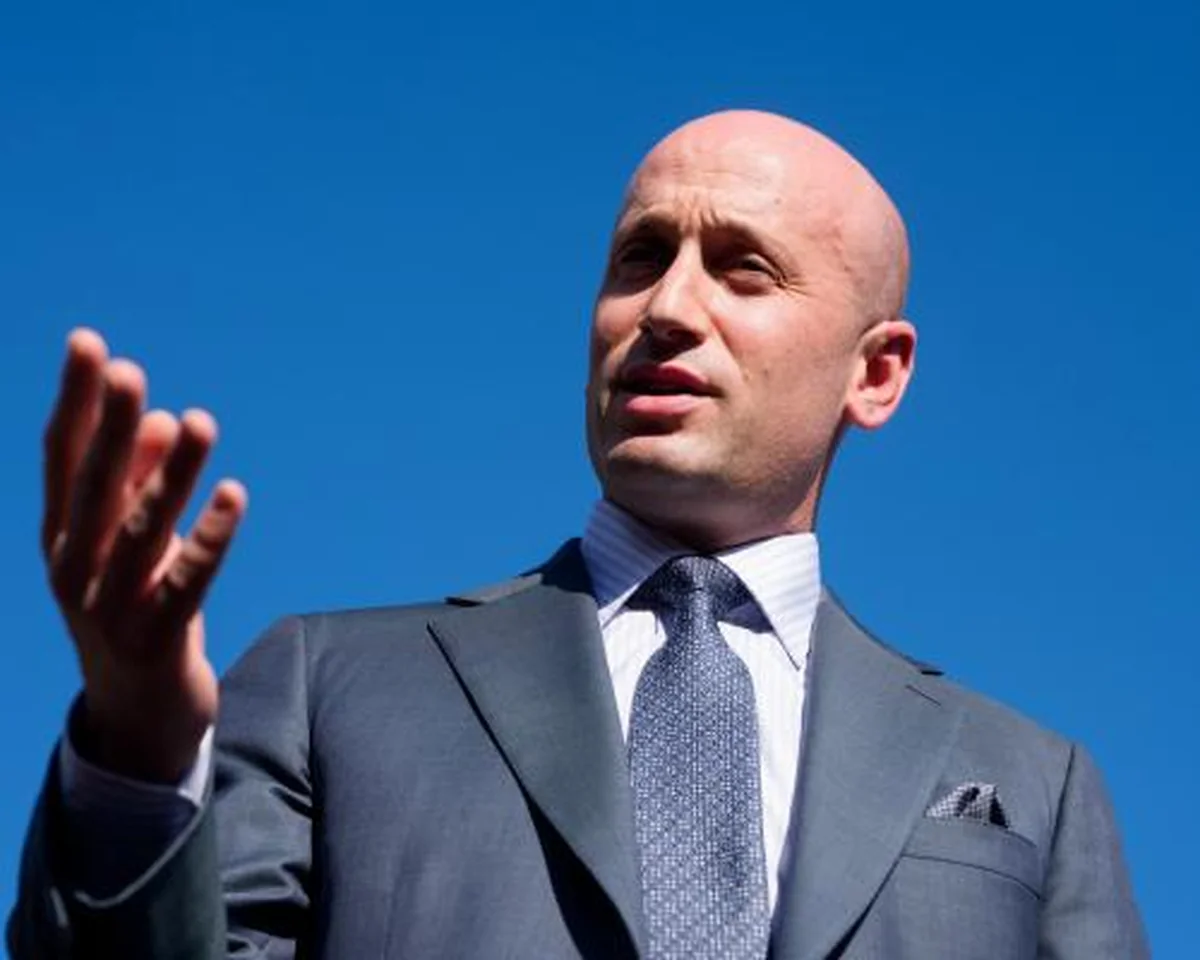
A recent interview featuring Stephen Miller, then-White House deputy chief of staff, sparked widespread discussion online after an unusual pause during his remarks about the president’s “plenary authority.” The moment, which quickly gained traction across social media platforms, was later attributed by CNN to a technical malfunction—crossed audio wires in Miller’s earpiece from another broadcast—that briefly interrupted his flow of thought.
Despite the technical hiccup, the phrase “plenary authority” resonated with many observers, seen as a subtle yet significant indicator of the Trump administration’s broader aspirations. Critics interpreted its use as suggesting an intent to establish legally unchallengeable power over military deployments and other governmental functions, pushing the boundaries of executive authority.
Unpacking “Plenary Authority”
To understand the weight of Miller’s comment, it’s crucial to define “plenary authority.” According to the Legal Information Institute at Cornell University’s law school, this term denotes “power that is wide-ranging, broadly construed, and often limitless for all practical purposes.” While its implications sound expansive, “plenary authority” is most commonly associated with legislative bodies.
For instance, when a government decides to impose a new tax or allocate public funds, lawmakers often operate under plenary authority regarding these matters. In such cases, they typically do not require validation from judicial courts or a higher federal entity to proceed with their actions, underscoring the comprehensive nature of this power within its conventional application.
Presidential Powers: The Administration’s Stance
Miller’s specific context for discussing plenary authority arose from a question regarding the president’s legal capacity to deploy federalized National Guard troops. His initial defense cited Title 10 of the federal code, which he asserted granted the president “plenary authority” to command these forces as he deemed appropriate. Title 10 serves as the overarching military law governing the armed forces of the United States.
Although Title 10 itself does not explicitly contain the phrases “plenary authority” or “plenary power,” the administration frequently referenced its provisions to bolster claims of extensive executive power over military deployment. Beyond federal statutes, the executive branch also invoked Article II, Section Two of the U.S. Constitution. This foundational text declares: “[t]he President shall be Commander in Chief of the Army and Navy of the United States, and of the Militia of the several States, when called into the actual Service of the United States.”
Is Presidential “Plenary Authority” Truly Limitless?
Despite the administration’s assertions, the notion that the president possesses truly “plenary authority” over the military or other government functions is widely contested among legal scholars and constitutional experts. While the Commander-in-Chief clause and Title 10 grant significant powers, they are generally understood to operate within a system of checks and balances, not as a source of absolute or “limitless” executive power.
The interpretation of these powers remains a focal point of ongoing legal and political debate. The president’s authority, particularly concerning military action, is typically viewed as subject to congressional oversight and constitutional limitations, suggesting that the “plenary” description, implying near-absolute power, does not fully align with established constitutional principles or legal precedent.
Source: The Guardian