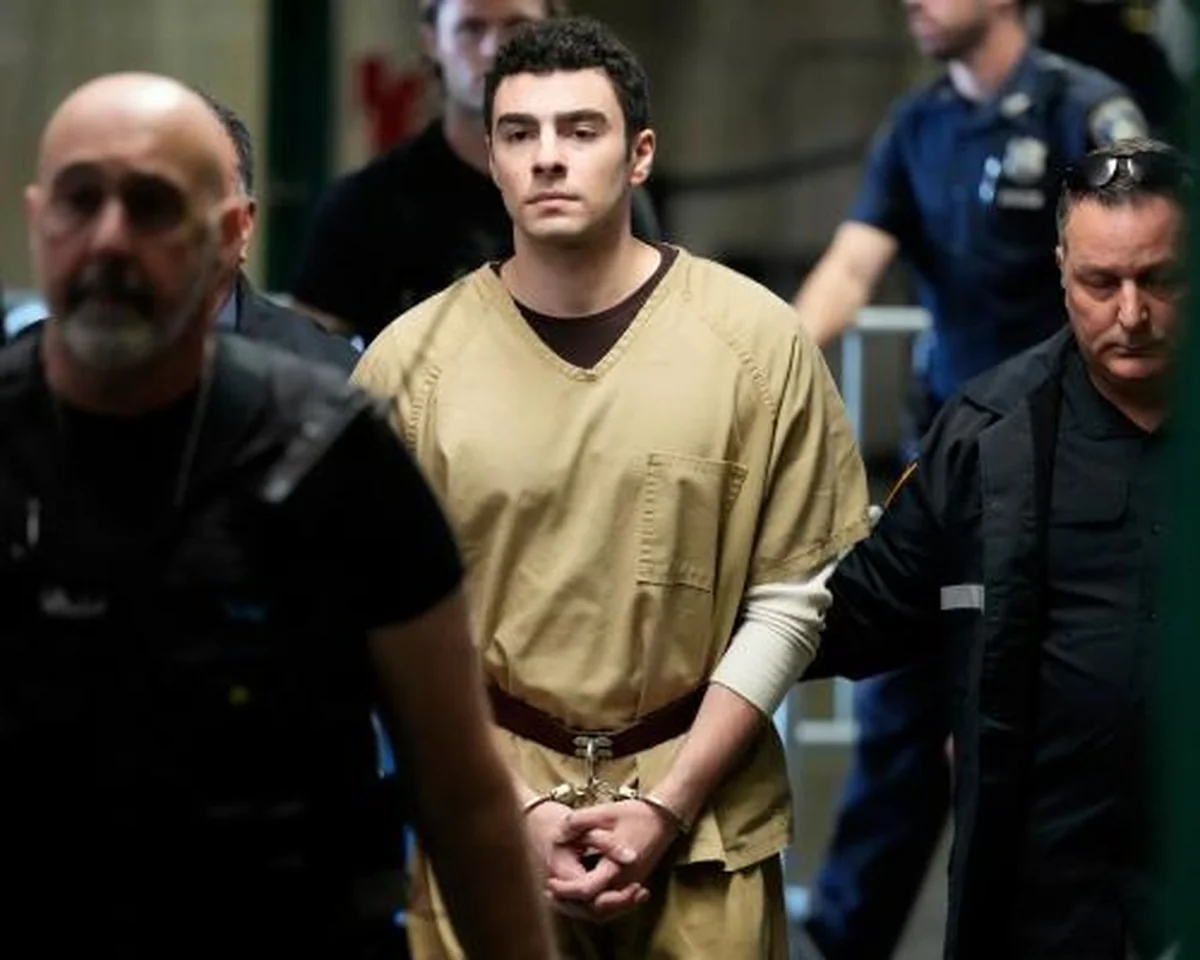
Mangione Defense Fights Federal Charges, Death Penalty
Attorneys representing Luigi Mangione, the individual accused in the fatal shooting of UnitedHealthcare CEO Brian Thompson last December, have petitioned a U.S. District Court judge to dismiss several federal criminal charges. This includes the most severe count, which could make Mangione eligible for capital punishment, according to court documents filed on Saturday.
The legal team for Mangione, 27, argues that the potential death penalty charge lacks the necessary legal foundation and therefore must be struck from the indictment. This motion marks a significant development in a high-profile case that has captured national attention since Thompson’s death.
Key Legal Arguments Presented
Beyond challenging the death penalty provision, Mangione’s defense is also seeking to suppress crucial evidence intended for trial. They contend that a firearm and ammunition, purportedly discovered in a backpack Mangione was carrying at the time of his apprehension, should be excluded. The defense claims this evidence was obtained during an unlawful search conducted without a warrant when Mangione was arrested at a McDonald’s restaurant in Pennsylvania.
Furthermore, the lawyers assert that their client was not properly informed of his Miranda rights before being interrogated by law enforcement officials. This alleged procedural lapse, if proven, could lead to the suppression of any statements made by Mangione during that questioning, significantly impacting the prosecution’s case.
Mangione has consistently maintained his innocence, entering a plea of not guilty to both state and federal charges stemming from the December 4 incident. Thompson was shot as he arrived at a midtown Manhattan hotel, an event that triggered an extensive multi-state manhunt for the perpetrator.
The Manhunt and Arrest
Following the shooting, authorities launched a widespread search for the individual responsible. Investigators allege Mangione used a bicycle to reach Central Park, subsequently taking a taxi to a bus depot. The pursuit concluded five days later when police, acting on a tip, located and apprehended Mangione at a McDonald’s establishment in Altoona, Pennsylvania. This location is situated over 200 miles (320 km) from the scene of the crime in New York City.
This isn’t the first time Mangione’s defense has moved to dismiss federal charges. Last month, his attorneys requested a similar dismissal, citing public comments made by Attorney General Pam Bondi. Bondi had publicly urged federal prosecutors in New York to pursue the death penalty, characterizing Thompson’s killing as a “premeditated, cold-blooded assassination that shocked America.” The defense argued that such public statements could prejudice the proceedings.
“Crime of Violence” Dispute
Federal prosecutors have charged Mangione under a statute concerning murders committed with firearms as part of other “crimes of violence.” However, the defense lawyers dispute this classification, specifically arguing that stalking – the only other crime charged alongside the murder – does not meet the legal definition of a “crime of violence” under federal law. This legal interpretation is pivotal, as it underpins the applicability of the federal murder charge.
In a separate development last month, Judge Gregory Carro dismissed state terrorism charges against Mangione. The judge ruled that prosecutors had failed to present sufficient evidence demonstrating an intent to “intimidate and coerce a civilian population,” a key component for such a charge.
The ongoing legal proceedings have sparked considerable debate among the public, with opinions sharply divided regarding the nature of Thompson’s death and the appropriate legal recourse. As the defense continues to challenge the charges, the case moves through a complex judicial process, with significant implications for all parties involved.
Source: The Guardian