Trade War Rekindles: US-China Clash Over Rare Earths
The delicate truce in the US-China trade conflict has shattered, just weeks before a critical deadline for the two economic superpowers to forge a lasting agreement. Recent actions from Beijing, swiftly met with aggressive countermeasures from Washington, have effectively extinguished hopes of averting further global economic instability, at least for the foreseeable future. The latest escalation sees China reimpose restrictions on vital mineral exports, triggering a retaliatory wave of 100% tariffs from the United States.
## The Spark: China’s Rare Earths Offensive
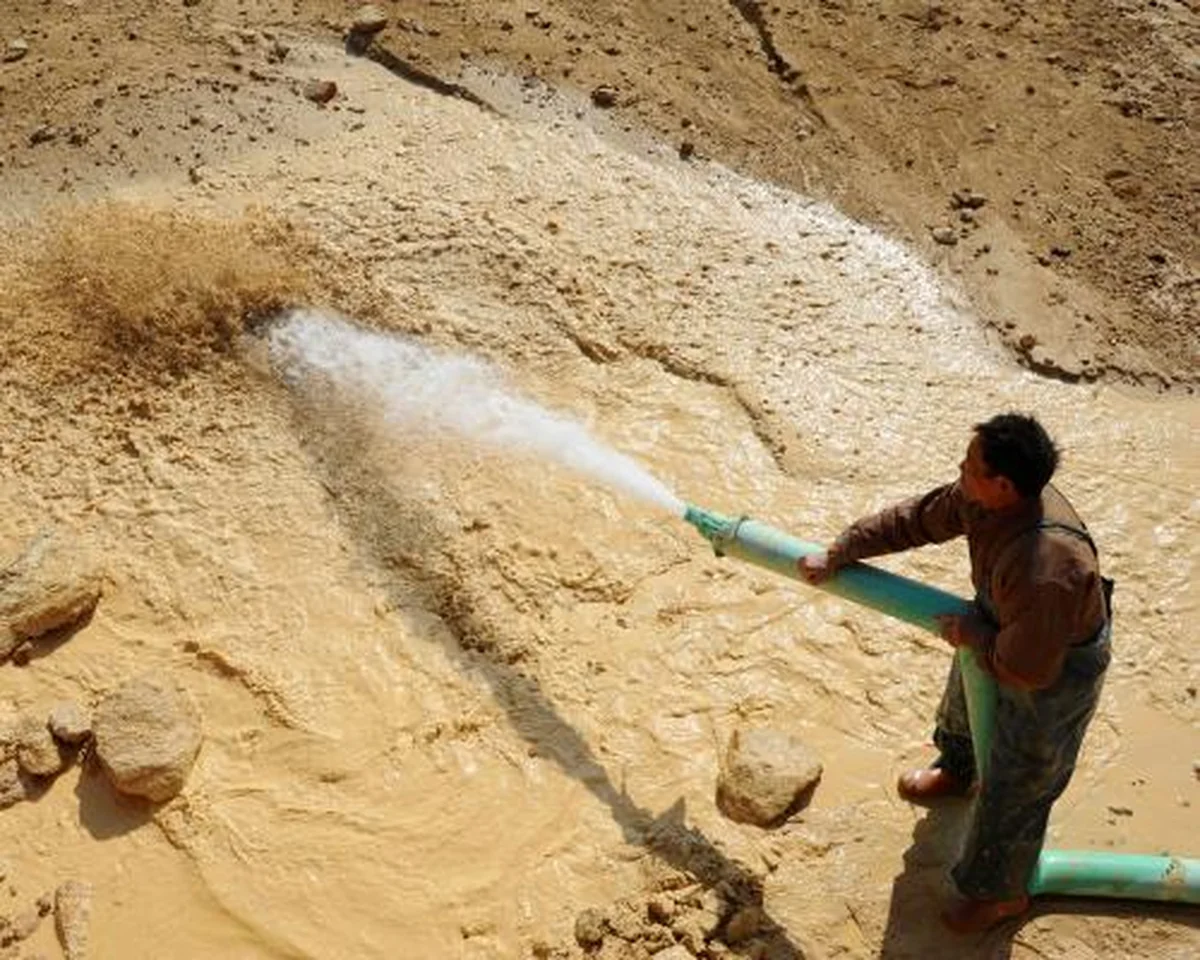
The immediate catalyst for this renewed friction emerged on Thursday when China’s commerce ministry declared tightened controls on the export of rare earth minerals. Citing national security as the justification, Beijing’s move directly targets a critical vulnerability in global supply chains. Rare earths, a group of 17 metallic elements found in the Earth’s crust, are indispensable components in a vast array of modern technologies, from advanced consumer electronics and electric vehicles to sophisticated military hardware.
China’s unparalleled dominance in this sector has long been a contentious issue in trade negotiations. The nation processes over 90% of the world’s rare earths and controls approximately 70% of global mining operations for these strategic materials. This near-monopoly grants Beijing significant leverage, often described as a “chokehold” over industries worldwide.
## Washington’s Swift Retaliation
US President Donald Trump swiftly condemned China’s decision as “extremely hostile.” In response, the White House announced an immediate imposition of across-the-board 100% tariffs on a wide range of Chinese imports destined for the United States. This dramatic escalation pushes existing trade barriers significantly higher.
According to analysis from the Peterson Institute for International Economics, average US tariffs on Chinese goods stood at 58% as of September 25, while China’s retaliatory tariffs on American products reached 33%. While even higher tariffs, nearing 150%, have been previously threatened, they had been paused ahead of the November 10 deadline for a potential trade deal. The latest announcements, however, cast a long shadow over any prospects for a resolution.
## A Familiar Playbook?
China’s renewed restrictions on rare earth exports did not materialize without precedent. Just last month, the United States tightened its own export controls on chipmaking equipment destined for China. Washington’s stated aim was to close perceived loopholes in its strategy to limit Beijing’s access to advanced semiconductors, crucial for its technological ambitions and military modernization.
This is not the first instance of Beijing weaponizing its control over rare earth minerals. In April, similar export restrictions were implemented, leading to significant manufacturing slowdowns across various global industries. Those limitations were temporarily lifted a few months later, suggesting a strategic pattern. Experts observe that “Beijing is effectively reactivating its April playbook,” utilizing economic pressure as a negotiating tactic.
The latest developments underscore a deepening mistrust and an unwillingness to compromise between the world’s two largest economies. With the November 10 deadline rapidly approaching, the prospect of a comprehensive trade agreement appears increasingly remote, leaving global markets bracing for sustained volatility and uncertainty.
Source: The Guardian