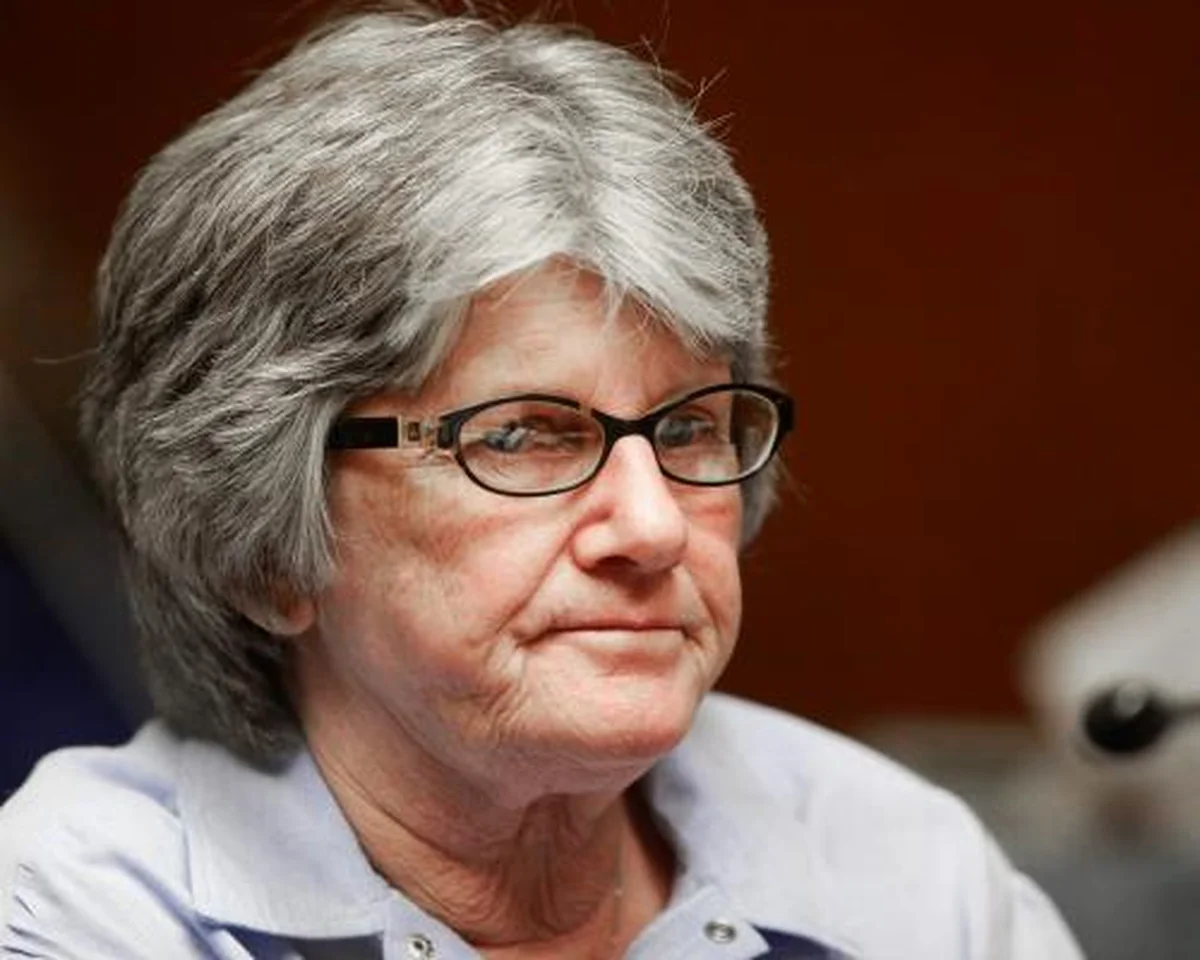
Newsom Rejects Parole for Manson Killer Krenwinkel
California Governor Gavin Newsom has once more rejected the parole bid for Patricia Krenwinkel, a notorious adherent of Charles Manson, who has spent over five decades incarcerated for her involvement in the horrific 1969 Tate-LaBianca murders. The decision, announced this week, comes nearly five months after the state’s parole board deemed the 77-year-old suitable for release, recommending her freedom.
Governor Cites Public Danger
On Monday, Governor Newsom formally overturned the board’s recommendation, stating that Krenwinkel “currently poses an unreasonable danger to society if released from prison at this time.” This marks the second instance in which Newsom has intervened to block Krenwinkel’s release, signaling a firm stance against clemency for one of the most infamous figures in California’s criminal history. His previous denial occurred in 2022, underscoring the ongoing scrutiny surrounding her case.
Attorney Alleges Political Motivation
The governor’s reversal immediately drew sharp condemnation from Krenwinkel’s long-standing legal representative, Keith Wattley. Wattley, who serves as both her attorney and the founder and executive director of the nonprofit UnCommon Law, asserted that the governor’s action prioritized political considerations over individual circumstances. He argued that Newsom disregarded the profound abuse Krenwinkel endured under Manson’s influence during her formative years.
“Newsom’s reversal of Pat’s grant has nothing to do with the record of how much she’s changed or the risk she presents,” Wattley stated unequivocally. “It is 100 percent political, directly contrary to the evidence and the controlling law.” His remarks underscore a growing tension between executive oversight and the parole board’s assessments of inmate rehabilitation.
The Grisly Crimes of 1969
Patricia Krenwinkel was merely 21 years old when she participated in the gruesome killings orchestrated by cult leader Charles Manson. The rampage began on August 9, 1969, at the Benedict Canyon home of actress Sharon Tate, where Tate and four others—including heiress Abigail Folger and celebrity hairstylist Jay Sebring—were brutally murdered. The following evening, the cult continued its reign of terror, slaying grocer Leno LaBianca and his wife, Rosemary, in their Los Feliz residence.
In 1971, Krenwinkel, alongside other Manson family members, was found guilty on seven counts of first-degree murder for their roles in the heinous crime spree. Her conviction cemented her place as one of the most reviled figures associated with the cult’s atrocities, which shocked the nation and continue to fascinate and horrify generations.
Rehabilitation and Remorse
Despite the severity of her past actions, Krenwinkel has reportedly undergone significant transformation during her extensive incarceration. As California’s longest-serving female inmate, she has dedicated decades to self-improvement. Friends and her legal team informed The Guardian earlier this year that she has successfully earned multiple college degrees and maintained an impeccable disciplinary record throughout her time behind bars. These factors were instrumental in the parole board’s decision to recommend her release.
Krenwinkel has consistently voiced profound regret for her involvement in the murders. In a 2022 parole hearing, she tearfully expressed, “I want to say is how terribly sorry I am for all the pain and suffering that I created when I took the lives that I did … I try every day to make amends for the actions I took.” Her expressions of remorse, coupled with her institutional conduct, present a complex picture for parole consideration.
The governor’s latest decision prolongs Krenwinkel’s imprisonment, reaffirming the state’s cautious approach to releasing individuals convicted of such high-profile and brutal crimes, despite evidence of rehabilitation and the parole board’s assessment.
Source: The Guardian