SOUTHCOM Commander’s Abrupt Exit Amid Caribbean Tensions
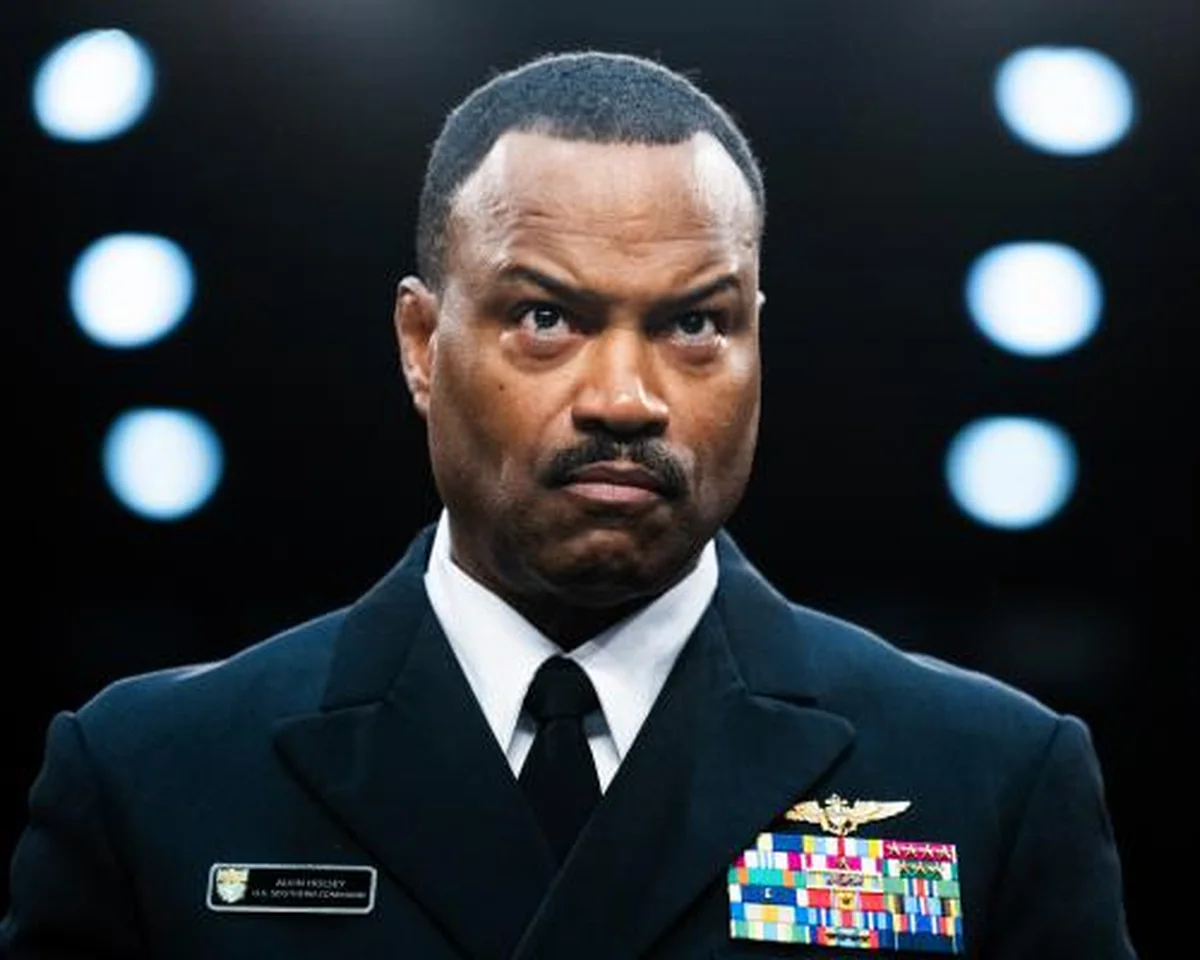
Admiral Alvin Holsey, the top U.S. military commander for Latin America, is set to retire at the end of the year, a move announced by Defense Secretary Pete Hegseth on social media. This unexpected departure comes as the United States navigates heightened tensions with Venezuela and conducts military strikes against suspected drug smugglers across the Caribbean.
Holsey’s exit is particularly noteworthy as it occurs less than a year after he assumed leadership of U.S. Southern Command (SOUTHCOM), which oversees military operations in Central America, South America, and the Caribbean. This command typically entails a three-year posting, making the admiral’s early departure a subject of significant scrutiny.
An Unexpected Transition
Sources close to the matter have indicated potential friction preceding the announcement. Reuters reported that a source revealed underlying tension between the four-star commander and Secretary Hegseth. The report also suggested that questions had arisen regarding the possibility of Holsey’s dismissal in the days leading up to his announced retirement.
Further insights into the circumstances surrounding the admiral’s departure were provided by The New York Times, which cited an unnamed U.S. official. According to this official, Admiral Holsey “had raised concerns about the mission and the attacks on the alleged drug boats.” These reports suggest a potential disagreement over operational strategies or the broader scope of U.S. military engagement in the region.
Official Statements and Distinguished Service
In his social media announcement, Secretary Hegseth refrained from disclosing the specific reasons for Admiral Holsey’s decision “to retire at year’s end.” Hegseth, referring to his preferred rebrand of the department’s name, stated, “On behalf of the Department of War, we extend our deepest gratitude to Admiral Alvin Holsey for his more than 37 years of distinguished service to our nation as he plans to retire at year’s end.”
The Secretary’s post also highlighted Holsey’s extensive career, noting his start “through the NROTC program at Morehouse College in 1988.” Morehouse College, located in Atlanta, is a private, historically Black institution.
Admiral Holsey himself confirmed his retirement plans through SOUTHCOM’s official X (formerly Twitter) account. He announced his intention to retire from the Navy on December 12, concluding a career spanning nearly four decades. Addressing the 1,200 military and civilian personnel under his command, Holsey conveyed a message of confidence and encouragement: “I am confident that you will forge ahead, focused on your mission that strengthens our nation and ensures its longevity as a beacon of freedom around the globe.” He concluded his message with a resolute, “Keep charging!!”
Broader Implications
The abrupt nature of Admiral Holsey’s departure has drawn attention from Capitol Hill. Senator Jack Reed of Rhode Island, the ranking Democrat on the Senate Armed Services Committee, described Holsey’s exit as “unexpected,” noting it “sends an…” The senator’s full assessment of the implications was not immediately available.
This leadership change at SOUTHCOM occurs at a critical juncture, with U.S. forces actively engaged in counter-narcotics operations in the Caribbean and navigating a complex geopolitical landscape marked by ongoing tensions with Venezuela. Holsey’s successor will step into a challenging role, tasked with maintaining stability and security in a volatile region.
Source: The Guardian