New US Border Rule Causes Concern for ‘X’ Passport Holders
A recent directive from U.S. Customs and Border Protection (CBP) is causing significant apprehension among individuals holding passports with an “X” gender marker. The new policy, implemented this week, instructs airlines to disregard the “X” designation on travel documents and instead record either “M” for male or “F” for female. This mandate has sparked widespread concern on social media and beyond, with many questioning their ability to travel internationally.
The “X” gender marker was introduced for U.S. passport holders in 2022, a move intended to provide more accurate identification for individuals whose gender identity is neither exclusively male nor female. This initiative was seen as a significant step towards inclusivity, allowing non-binary and gender-diverse citizens to obtain official travel documents that better reflect their identity. Now, this latest CBP rule appears to contradict that progress, leaving many in a state of uncertainty.
New Directive Sparks Confusion
The practical implications of the CBP’s new requirement remain largely unclear. Andy Izenson, senior legal director at the Chosen Family Law Center, acknowledged the widespread confusion. “It’s a little bit too soon to say how this is going to practically work out,” Izenson stated, highlighting the lack of concrete guidance surrounding the rule’s enforcement and impact on travelers.
Despite the new directive for airlines, passports bearing an “X” marker are still legally recognized as valid travel documents. This was affirmed by the U.S. district court of Massachusetts, which issued an order in June to ensure their continued validity. This judicial action came after the Trump administration had previously attempted to ban these markers through executive order 14168, controversially titled “Defending Women From Gender Ideology Extremism and Restoring Biological Truth to the Federal Government.” While courts have consistently blocked outright bans on a third gender marker, critics argue that this week’s CBP rule could still create significant hurdles for trans and non-binary individuals.
Uncertainty and Potential for Discrimination
Izenson expressed deep concern over the potential for the new rule to facilitate discrimination. “I would suggest the intent is to ensure that any individual person who’s acting under color of law or as an agent of the state has as much leeway to act out their personal bigotry as they want, without any concern about consequences,” Izenson commented. This sentiment reflects fears that the policy could empower individual agents to scrutinize or challenge travelers with “X” markers, even if the documents themselves remain valid.
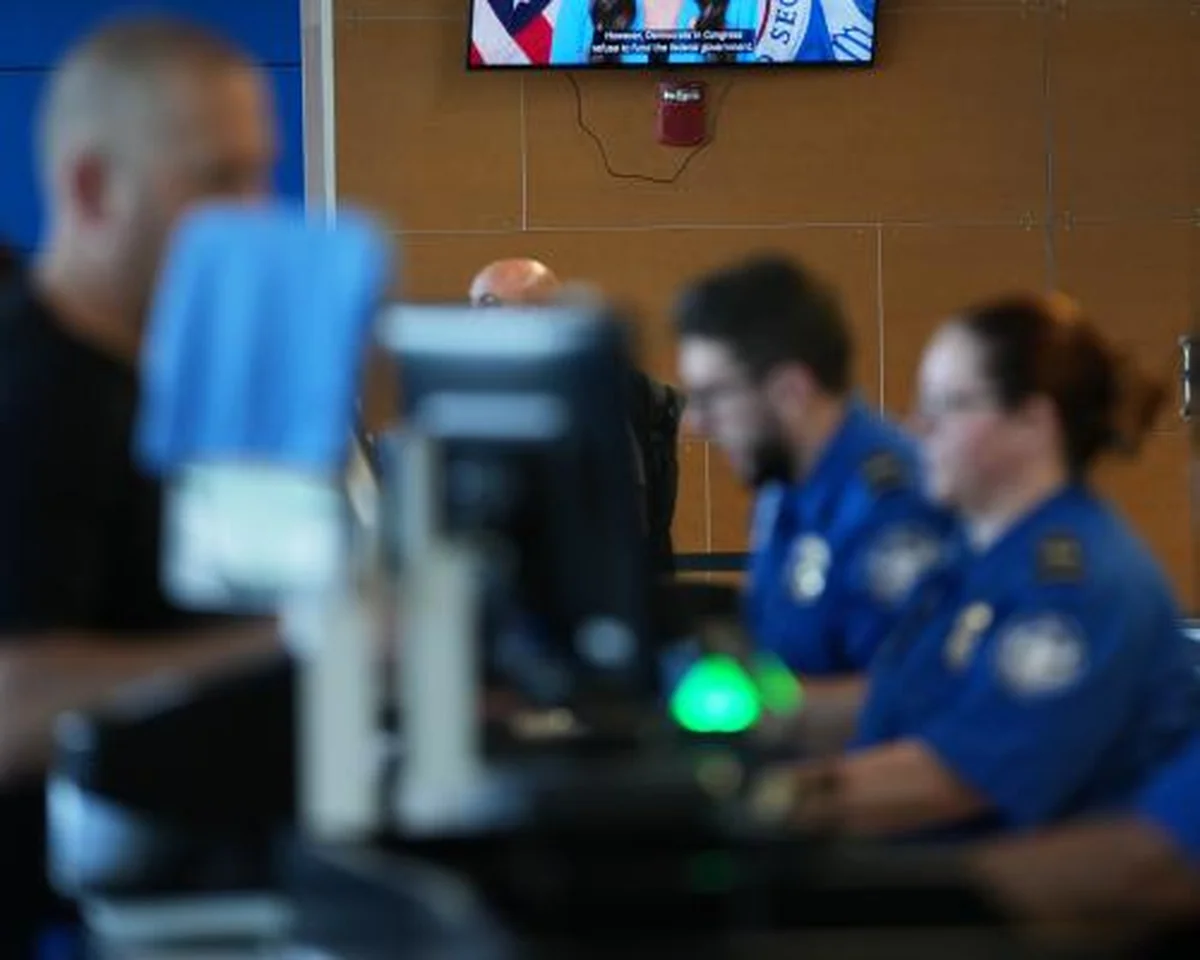
Attempts to gain clarity from federal agencies have proven fruitless. Izenson reported spending considerable time engaging with representatives from CBP, the Transportation Security Administration (TSA), and the Department of Homeland Security (DHS) in an effort to understand the rule’s operational details and who would bear responsibility for its enforcement. However, these inquiries failed to yield clear answers. A significant question that remains is whether individual border agents will be empowered to flag passports where the “X” gender marker differs from the “M” or “F” designation now required for airline manifests.
The lack of transparent guidelines from federal authorities leaves a critical gap, fostering an environment of anxiety for a vulnerable population. As the situation unfolds, advocates and travelers alike are calling for immediate clarification to ensure that the rights and travel freedoms of all U.S. passport holders are protected.
Source: The Guardian