High Court to Address Gun Ownership for Drug Users
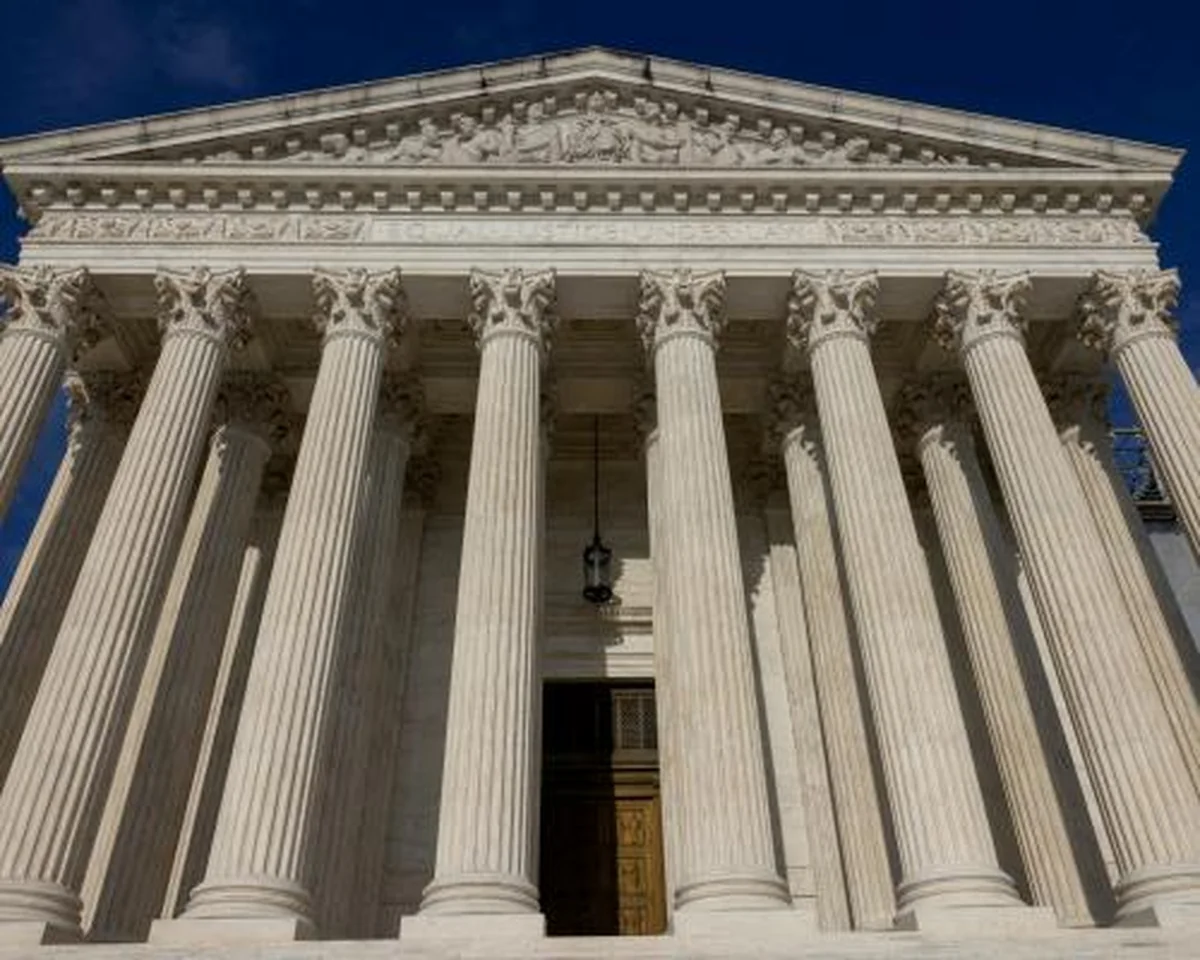
Washington D.C. – The U.S. Supreme Court has agreed to hear a pivotal case challenging the legal disparity between alcohol consumption and marijuana use concerning firearm ownership. While regular alcohol intake does not prohibit an individual from possessing a gun in America, habitual marijuana use currently does. The nation’s highest judicial body announced Monday its intention to delve into this distinction, which has far-reaching implications for Second Amendment rights.
This critical appeal originates from the Trump administration’s efforts to overturn a lower court’s decision that favored Ali Danial Hemani. Hemani faced felony gun possession charges after openly acknowledging his consistent use of cannabis. Federal prosecutors in Texas, who were investigating Hemani for alleged illicit ties to the Iranian regime, discovered a firearm and drugs during a search of his residence.
The Core Legal Challenge
The central question before the court is whether the government can disarm individuals who habitually use illegal drugs, even when they are not under the influence while possessing a firearm. Solicitor General D. John Sauer articulated the government’s stance in its appeals brief, stating, “The case presents an important Second Amendment issue that affects hundreds of prosecutions every year.” Sauer also highlighted the existing disagreement among lower appeals courts regarding the constitutionality of the current statute.
Notably, the same statute formed the basis for Hunter Biden’s 2024 conviction for failing to disclose habitual drug use during a firearm purchase, prior to his father’s pardon in the final weeks of his presidential term. This high-profile parallel underscores the statute’s broad impact and the legal complexities surrounding it.
Shifting Second Amendment Landscape
The Supreme Court has, in recent years, significantly expanded its interpretation of the Second Amendment. This includes affirming that the right to bear arms is an individual right and striking down certain state-level restrictions on gun possession outside the home as unconstitutional. A landmark decision in 2022, *New York State Rifle & Pistol Association Inc. v. Bruen*, saw a 6-3 conservative majority court rule that a New York state law requiring special circumstances for a concealed carry permit was unconstitutional.
The *Bruen* ruling has had immediate repercussions in lower courts. A federal magistrate judge initially dismissed Hemani’s case, citing the precedent set by *Bruen*. This decision was subsequently upheld by judges of the Fifth Circuit Court of Appeals. Furthermore, a similar case, *United States v. Connelly*, was also dismissed last year, with judges explicitly referencing the *Bruen* decision’s applicability to existing gun laws.
Originalism and Future Implications
The Supreme Court’s current conservative majority frequently relies on originalist interpretations, examining the historical context and original meaning of the Second Amendment. This judicial philosophy often leads advocates on both sides of gun rights debates to delve deep into 18th-century legal and historical documents to bolster their arguments. The upcoming decision in Hemani’s case will undoubtedly shape the future of gun ownership laws for millions of Americans, particularly as more states move to legalize marijuana.
As the Supreme Court prepares to hear arguments, the outcome will not only determine the legal standing of habitual drug users regarding firearm possession but also further define the scope of individual gun rights under the Second Amendment, potentially impacting hundreds of prosecutions annually and setting a new precedent for how drug use is weighed against constitutional liberties.
Source: The Guardian