US Venezuela Stance Challenges ‘America First’ Pledge
A central tenet of Donald Trump’s “America First” philosophy was a promise to end foreign military entanglements that historically drained U.S. resources and lives. This “Make America Great Again” foreign policy aimed to pivot away from drawn-out conflicts abroad. Yet, a significant military surge now targeting Nicolás Maduro’s authoritarian government in Venezuela is pushing this commitment to its limits. The White House’s increasingly aggressive posture appears to contradict Trump’s self-professed image as a “president of peace.”
Escalating Operations in the Caribbean and Pacific
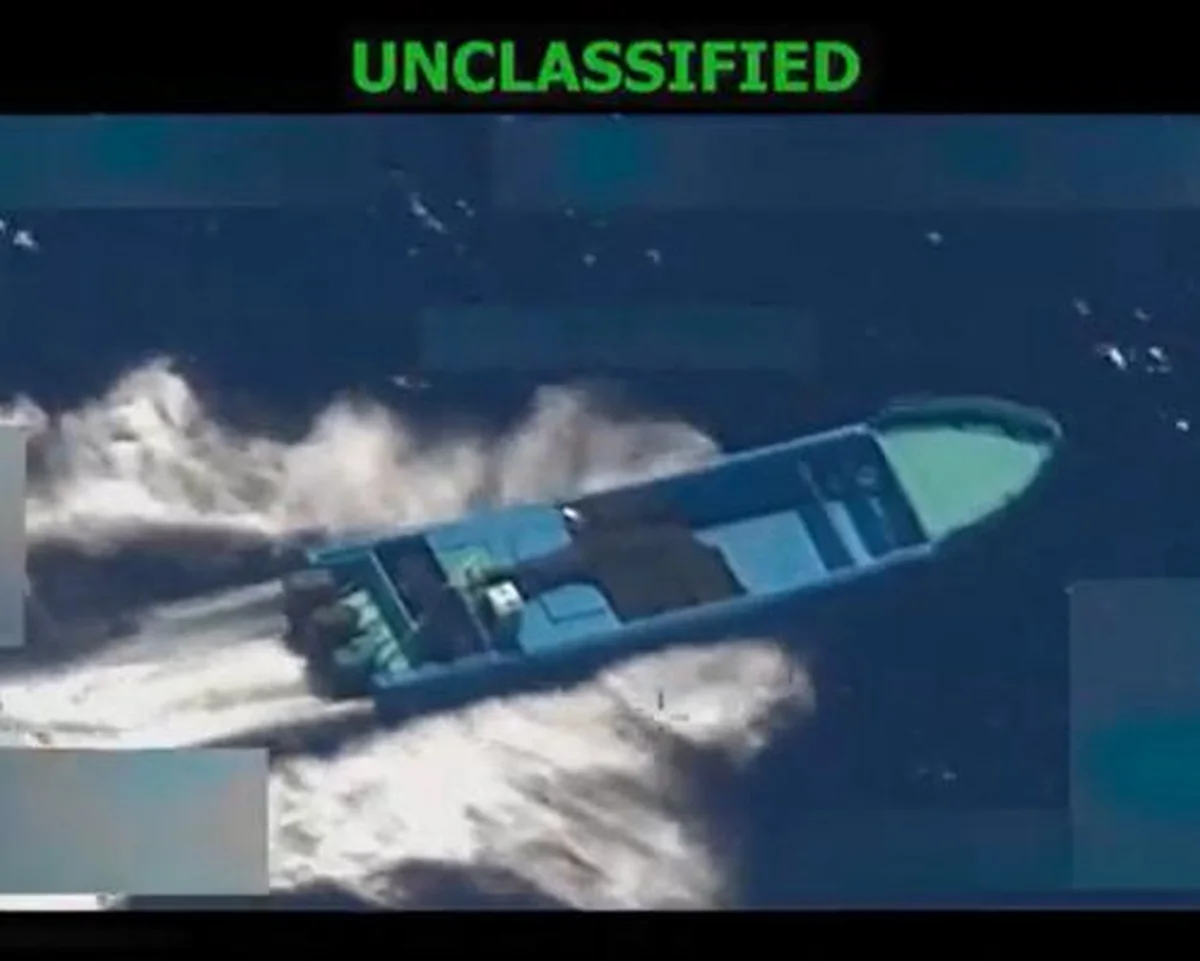
In recent weeks, American forces have conducted at least eight maritime interdiction operations in the Caribbean Sea, off Venezuela’s coastline. These actions have reportedly resulted in the deaths of at least 38 individuals aboard vessels Washington alleges were involved in drug trafficking. The most recent incident, confirmed Friday by Defense Secretary Pete Hegseth, saw six people killed on a boat reportedly smuggling narcotics along a “known narco-trafficking route.”
The escalation isn’t confined to the Caribbean. This week, two additional strikes in the Pacific claimed at least five lives, coinciding with heightened tensions between the U.S. and Colombia over the Trump administration’s anti-trafficking tactics. However, the primary focus remains Venezuela, where the military buildup is substantial.
Show of Force Off Venezuelan Shores
The deployment includes formidable assets such as nuclear-capable B-52 bombers and elite special operations units positioned off the South American nation’s coast. This month, President Trump authorized a further escalation, granting the CIA permission to conduct operations within Venezuela. This move has intensified fears that the U.S. is actively working to instigate a military coup against Maduro, or even preparing for a ground invasion.
The U.S. has officially labeled Maduro a “narco-terrorist” and has offered a substantial $50 million bounty for his arrest. The rhetoric from Washington suggests a strong desire for a change in leadership, but the method remains a point of debate and concern.
The “Least Preferred Option”
Fulton Armstrong, a former CIA analyst and national intelligence officer for Latin America, offered insight into potential strategies. “Action on the ground would be the least preferred option, and it certainly wouldn’t be GI Joe – it would be special ops people,” Armstrong stated. He emphasized the evolving nature of modern conflict: “With technology, you don’t need to invade any more. The whole idea, I believe, is to get the Venezuelans to take him out…”
This perspective suggests that while direct military invasion might be off the table, covert operations and pressure tactics aimed at internal regime change are very much in play. The ongoing military presence and intelligence authorizations signal a determined effort to destabilize Maduro’s government, presenting a complex challenge to the administration’s stated foreign policy principles.
The unfolding situation in Venezuela underscores a significant tension between the White House’s declared non-interventionist stance and its aggressive actions against a designated adversary, raising questions about the future direction of U.S. foreign policy in the region.
Source: The Guardian