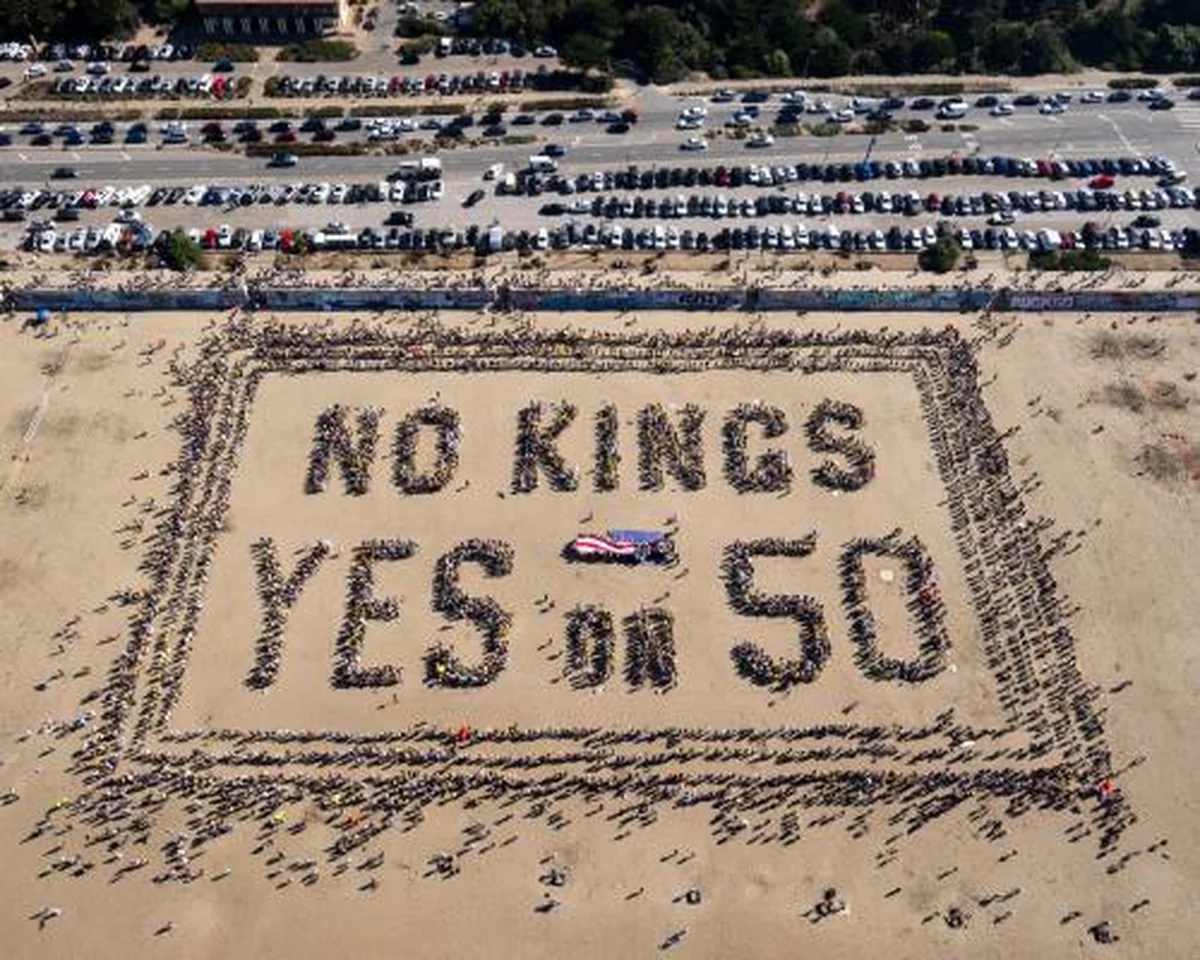
California’s Prop 50: A Bold Stand Against Trump?
Californians are facing a singular, potent choice this election season in Proposition 50, a ballot initiative shrouded in multiple interpretations. At its core, the measure proposes a significant shift: redrawing congressional district boundaries outside the conventional decennial schedule. More specifically, it’s framed as a strategic counter-move against Republican-led efforts to manipulate congressional districts in their favor, particularly in states like Texas, aiming to create a Democratic-leaning gerrymander.
However, the initiative’s critics paint a starkly different picture, labeling it a partisan power grab. They warn that Prop 50 risks undoing 15 years of meticulous work dedicated to ensuring California’s congressional elections remain as equitable and competitive as possible. Yet, the way Governor Gavin Newsom and state Democrats are presenting it to voters distills its complex nature into a far more straightforward and emotionally charged appeal: it’s an opportunity to send a clear message of defiance to Donald Trump.
The Core Message: Defying Trump
For many Californians, a deep-seated animosity towards the former president, who garnered less than 40% of the state’s vote, transcends mere political disagreement. This sentiment, extending well beyond his attempts to influence elections, forms the bedrock of the “yes” campaign’s confidence. They believe this anti-Trump sentiment alone positions the measure for an effortless victory.
Garry South, a seasoned and outspoken Democratic political consultant in California, who has been a vocal proponent of the measure, articulates this strategic advantage with candor. “There’s actually a double tease here,” South explained. “Trump and Texas, the state Californians love to hate. How can you lose an initiative that’s going to stick it to both?” His words encapsulate the campaign’s belief that tapping into these dual resentments is a winning formula.
Understanding Proposition 50’s Mechanics
Officially known as the Election Rigging Response Act, Proposition 50 seeks to amend the California constitution. Its key provision involves suspending the operations of the state’s independent redistricting commission until 2031. This legislative pause would allow Democrats to craft an additional five safe congressional seats within California. While this wouldn’t dramatically alter the existing power dynamics in the state—Democrats already command 43 of California’s 52 House seats—it’s intended as a direct response.
The proposed five new seats are designed to offset those that Texas Republicans, allegedly acting under Donald Trump’s direct encouragement, secured for themselves earlier this year through their own redistricting efforts. This tit-for-tat approach underscores the retaliatory nature of Proposition 50.
A Retaliatory Strategy: “Fight Fire with Fire”
Governor Newsom has repeatedly championed the mantra, “Fight fire with fire,” signaling a robust and assertive stance against what he perceives as Republican overreach. This philosophy underpins the entire campaign for Proposition 50, positioning it not just as a local electoral adjustment, but as a critical battle in a broader national political war. The initiative represents a significant gamble for California Democrats, aiming to leverage public frustration and political strategy to regain perceived losses and assert their influence on the national stage. The outcome will reveal whether this emotionally charged and strategically calculated appeal resonates with the state’s electorate.
Source: The Guardian