US Airports Face Escalating Air Traffic Control Crisis
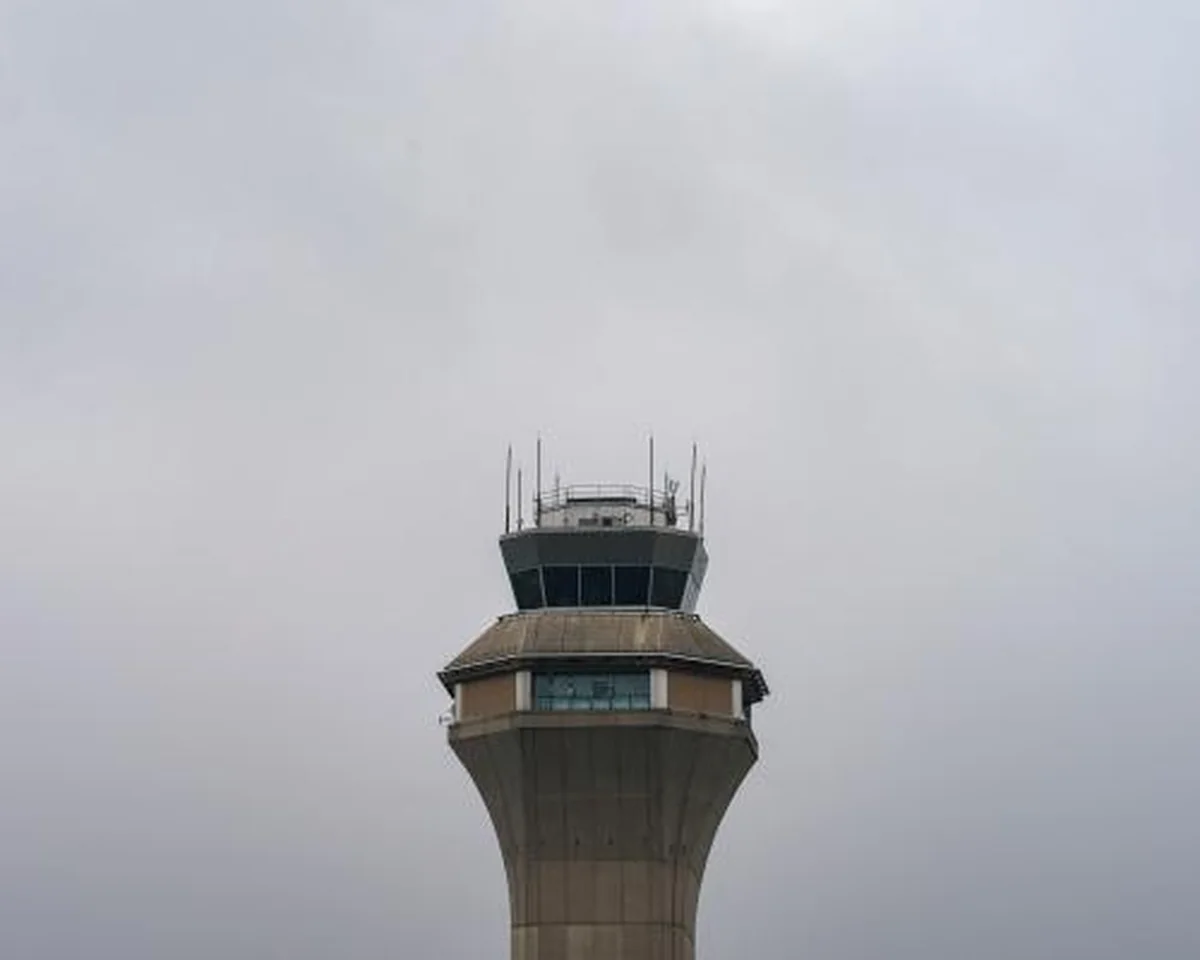
American air travel infrastructure witnessed a significant strain this past Saturday, with U.S. airports logging over two dozen instances of air traffic controller staffing deficits. Transportation Secretary Sean Duffy highlighted these occurrences as a stark indicator of the ongoing federal government shutdown’s escalating repercussions, which has now entered its third week, impacting various federal agencies and their critical operations.
The burgeoning personnel crisis led to a ground stop being imposed at Los Angeles International Airport (LAX) by federal authorities around 11:30 AM ET (15:30 GMT) due to insufficient air traffic control staff. This critical restriction impacted much of the Southern California air region, prompting warnings of likely delays once flight operations normalize following the disruption.
Widespread Impact and Mounting Concerns
By midday Sunday Eastern Time, federal aviation authorities had already documented staffing shortfalls at half a dozen airports across the United States, signaling a broader systemic issue. The Trump administration has issued a cautionary statement, indicating that flight disruptions are projected to intensify significantly as the prolonged government shutdown persists, putting further pressure on an already strained system.
Secretary Duffy, speaking on Fox News’s Sunday Morning Futures program, disclosed that the Federal Aviation Administration (FAA) registered 22 “triggers” on Saturday — indicators signifying insufficient air traffic controller numbers. He characterized this figure as “one of the highest that we’ve seen in the system” since October 1, underscoring his grave concern that “the controllers are wearing thin.” This alarming trend signals a critical vulnerability in the nation’s air travel infrastructure, as the essential personnel responsible for safely guiding millions of passengers through the skies are increasingly stretched thin.
Soaring Delays and Unpaid Labor
Data from FlightAware, a prominent flight tracking platform, revealed a staggering number of delays across the country. Over 5,300 U.S. flights experienced disruptions on Saturday alone, followed by more than 2,500 by noon ET on Sunday. Since the commencement of the federal shutdown, air travel delays have consistently surpassed typical averages, creating widespread frustration for travelers and airlines alike. The FAA had already flagged air traffic control staffing problems impacting flights originating from or destined for major hubs like Chicago and Newark by Sunday, indicating the geographic spread of the issue.
The core of the escalating crisis lies in the federal government’s fiscal impasse. Approximately 13,000 dedicated air traffic controllers, alongside some 50,000 Transportation Security Administration (TSA) officers, are compelled to continue their critical work without compensation. This dire situation persists as Republican and Democratic lawmakers remain entrenched in a stalemate, unable to agree on a federal budget, leaving thousands of essential workers in financial limbo.
A Union Leader’s Plea
Nick Daniels, President of the National Air Traffic Controllers Association (NATCA), issued a poignant statement last week, emphasizing the profound human toll of the shutdown. “This shutdown has real consequences for these hard-working American patriots,” Daniels asserted. He further elaborated on the growing stress faced by his members: “With each passing day, controllers become more distracted by the risk of receiving a zero-dollar paycheck on 28 October, despite working 40 hours per week and, in man…”
The recent surge in air traffic control incidents and widespread flight delays serves as a stark reminder of the profound operational and human costs associated with the ongoing federal government shutdown. As vital personnel continue to work without pay, the integrity and efficiency of the nation’s air travel system face unprecedented challenges, with no immediate resolution in sight for the political deadlock in Washington.
Source: The Guardian