Alaska Launches Historic Airlift After Typhoon Devastation
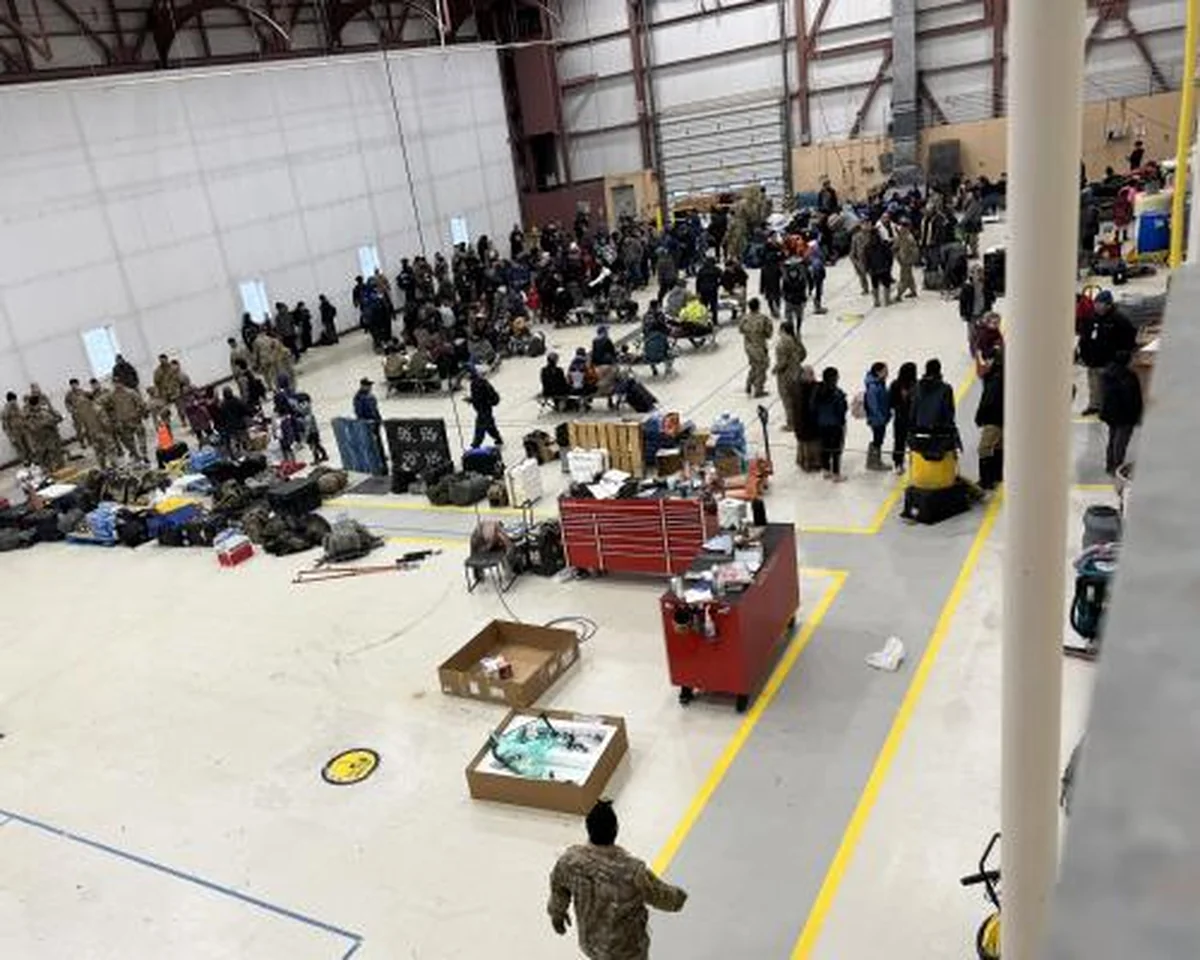
Alaskan authorities have initiated an extensive evacuation operation, relocating hundreds of residents in what state representatives are calling one of the most substantial airlifts in the state’s history. This massive effort comes after a powerful storm devastated two southwestern coastal communities over the weekend.
More than 1,500 individuals were displaced when the remnants of Typhoon Halong slammed into remote villages within the Yukon-Kuskokwim Delta. The storm unleashed a torrent of fierce winds, torrential rain, and unprecedented storm surges, which caused some homes to detach from their foundations and float away.
Communities Face Dire Conditions
Among the hardest-hit communities were Kipnuk, with a population of 715, and Kwigillingok, home to 380 residents. Many of those displaced from these areas initially sought refuge in local shelters, where conditions quickly became challenging due to sporadic power and limited access to functioning bathroom facilities.
According to Alaska’s Department of Military and Veterans Affairs, approximately 300 evacuees are being transported to Anchorage, located hundreds of miles inland from the battered coastal settlements. In preparation for their arrival, the state has converted a 5,000-seat arena in Anchorage into an American Red Cross shelter, equipped to receive and assist the incoming displaced residents.
Widespread Relief Efforts Underway
Simultaneously, a non-profit disaster relief organization has confirmed that hundreds of disaster workers from across the United States are being deployed to the affected region. Their mission is to provide crucial assistance and support to those impacted by the storm’s destructive force.
However, local officials acknowledge that not all residents will opt for evacuation. Jeremy Zidek, spokesperson for the emergency management office, noted on Wednesday evening that the exact origins of all evacuees were still being determined. He explained that some individuals in the affected communities might choose to remain in their homes or seek shelter with relatives and friends, rather than leave the area entirely.
Compounding the challenges, shelter capacity in Bethel, a regional hub in southwestern Alaska, has reportedly been nearing its limits. Buggy Carl, a tribal administrator for Kipnuk, informed Alaska Public Media that the school in Kwigillingok, which had become a temporary refuge for many residents, was experiencing non-functional toilets. Meanwhile, Kipnuk itself was grappling with unreliable power and telecommunication services.
Typhoon Halong’s Destructive Impact
The weekend storm delivered hurricane-force winds to the region. Furthermore, it pushed the tide line an astonishing 6 feet (1.8 meters) above normal levels in the affected communities, according to the National Weather Service. This combination of extreme weather elements contributed to the widespread damage and the urgent need for a large-scale evacuation and relief operation across Alaska’s remote southwestern coast.
Source: The Guardian