Alaska’s Remote Villages Face Years of Storm Rebuilding
Senator Lisa Murkowski issued a stark warning this past weekend, cautioning that some of Alaska’s remote communities could face a recovery period stretching over several years following the catastrophic impact of a recent powerful storm. Addressing attendees at the annual Alaska Federation of Natives convention on Saturday, the Republican lawmaker underscored the immense challenge ahead for residents grappling with widespread destruction.
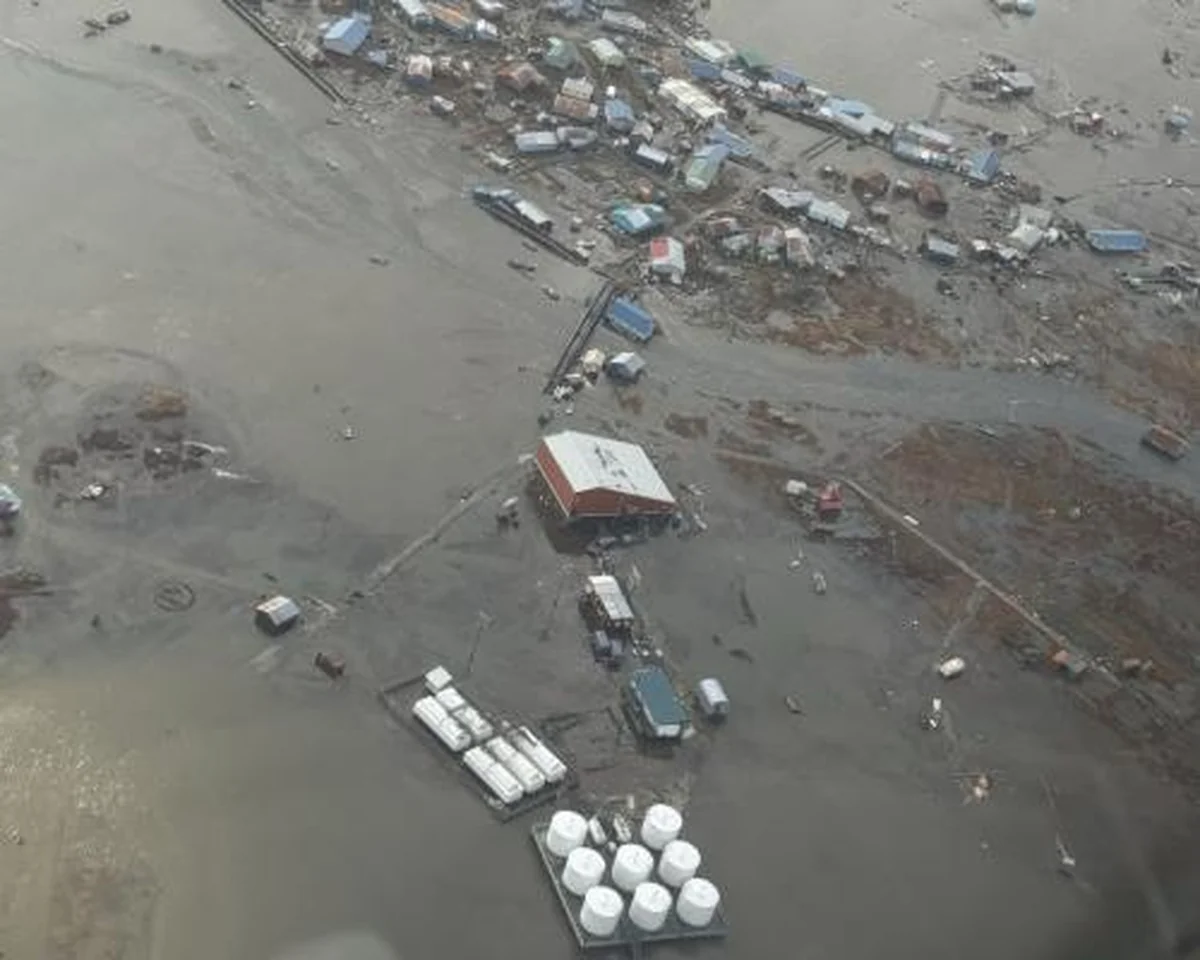
Murkowski recounted her firsthand observations from Kipnuk, a remote village where an estimated 90% of all structures were obliterated by surging floodwaters and other severe weather phenomena. She painted a grim picture of the extensive devastation, emphasizing the formidable “long road” that lies ahead for reconstruction efforts. “It’s going to take years to recover from the disaster of what we have seen with this storm,” Murkowski stated, highlighting the profound scale of the damage.
The senator further stressed the critical need for solidarity in times of crisis. “We have to come together in times of tragedy and disasters – we know that,” she remarked. “After the flood waters recede, and after the damage to the homes and the fish camp is calculated, there’s so much work that remains, and so much healing that is needed.” Her words resonated with the urgency of the situation, calling for collective action and support for the affected communities.
The Storm’s Devastating Impact
Murkowski’s remarks followed the remnants of Typhoon Halong, which unleashed its fury on the weekend of October 11, battering isolated communities across southwest Alaska. The storm brought a relentless assault of strong winds, torrential rain, unprecedented storm surges, and widespread flooding. The consequences were immediate and severe: over 1,500 individuals were displaced from their homes, many of which were inundated or completely swept away by the raging waters. The human toll included at least one fatality, with two other individuals still reported missing as of Monday. The U.S. Coast Guard responded swiftly, conducting dozens of rescues to evacuate residents stranded in their homes.
A Long Road to Recovery
Echoing Senator Murkowski’s concerns, Alaska Governor Mike Dunleavy provided his own sobering assessment on October 16. He indicated that it could be “upwards of 18 months” before many displaced residents would be able to return to their communities and rebuild their lives. In response to the crisis, Governor Dunleavy formally requested that President Donald Trump declare a major disaster for the state, a crucial step that would unlock vital federal resources necessary for recovery and rebuilding efforts.
In his letter to President Trump, Governor Dunleavy detailed the unique challenges facing Alaska’s remote regions. “Due to the time, space, distance, geography and weather in the affected areas, it is likely that many survivors will be unable to return to their communities this winter,” he wrote. He acknowledged the ongoing efforts, adding, “Agencies are prioritizing rapid repairs. But it is likely that some damaged communities will not be viable to support winter occupancy, in America’s harshest climate in the US Arctic.” This highlights the formidable logistical and environmental hurdles that must be overcome to restore habitability before the onset of Alaska’s brutal winter.
The path forward for these Alaskan villages is undoubtedly long and arduous. With homes destroyed, infrastructure compromised, and a harsh winter approaching, the collective efforts of state, federal, and local agencies, alongside community resilience, will be paramount in navigating the extensive rebuilding and healing process.
Source: The Guardian