Midwest Boeing Workers Prolong Strike, Reject Latest Deal
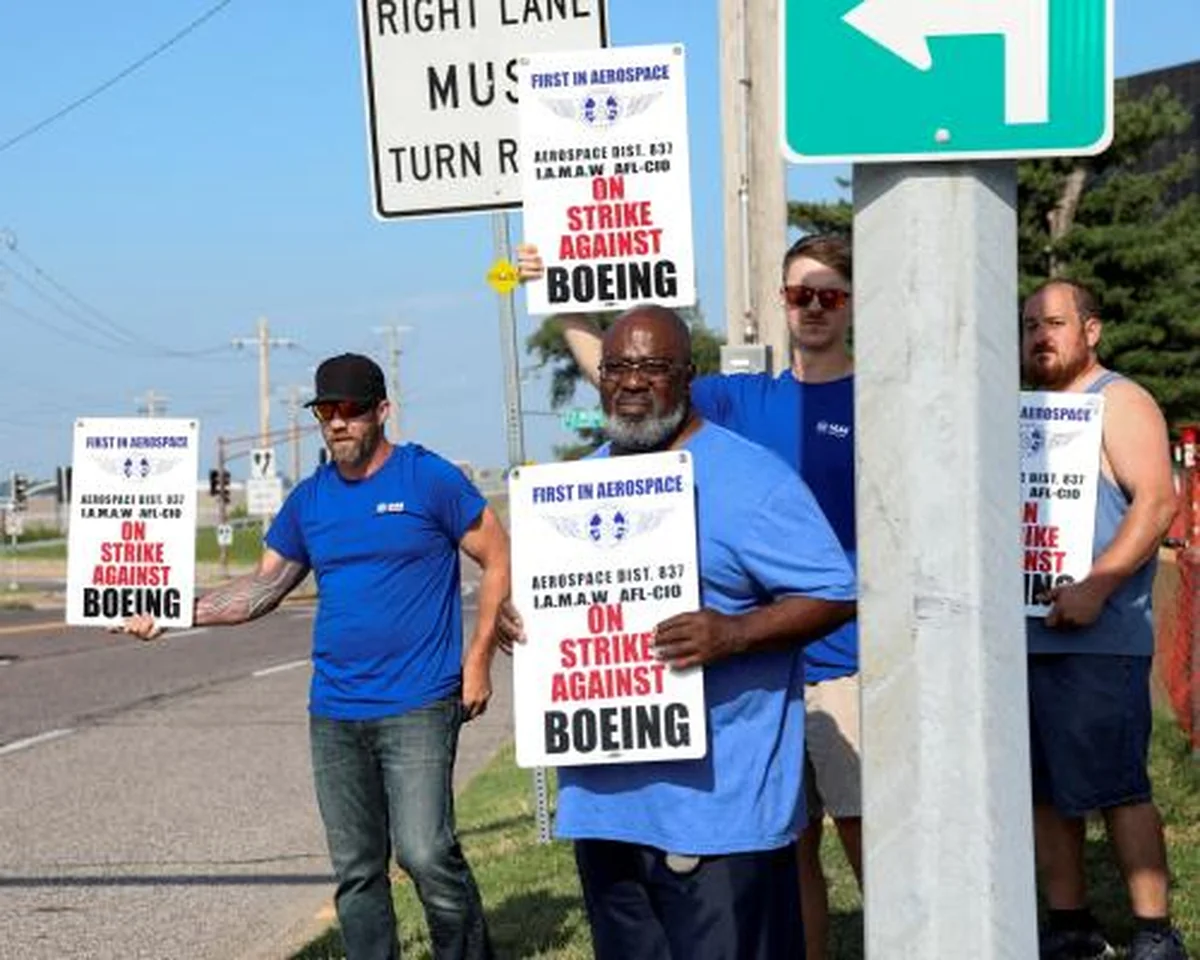
Unionized machinists at three critical Boeing facilities in the U.S. Midwest have overwhelmingly voted to reject the aerospace giant’s latest contract proposal, opting instead to continue a strike that commenced nearly three months ago. The decision, made on Sunday, deepens the labor dispute involving approximately 3,200 employees responsible for developing military aircraft and advanced weaponry in Mascoutah, Illinois, and the Missouri cities of St. Louis and St. Charles.
While smaller in scale than last year’s walkout by 33,000 Boeing workers assembling commercial jetliners, this ongoing industrial action poses a significant challenge to the company’s efforts to stabilize its financial position. The protracted standoff underscores persistent tensions between management and its workforce.
Standoff Deepens Over Contract Terms
The International Association of Machinists and Aerospace Workers (IAM) criticized Boeing’s approach following the vote. Brian Bryant, IAM President, issued a forceful statement, asserting, “Boeing claimed they listened to their employees – the result of today’s vote proves they have not.” Bryant further accused company executives of “continu[ing] to insult the very people who build the world’s most advanced military aircraft – the same planes and military systems that keep our servicemembers and nation safe.”
The rejected five-year offer largely mirrored previous proposals that union members had already turned down. Key modifications included a reduction in the ratification bonus, offset by the addition of $3,000 in Boeing shares set to vest over three years, alongside a $1,000 retention bonus payable in four years. The proposal also featured improved wage growth for employees at the top of the pay scale during the fourth year of the contract term.
Boeing’s Response and Contingency Plans
Boeing expressed its disappointment with the outcome, highlighting the narrow margin of the vote. In a statement, the company indicated it was increasingly hearing from employees “who want to cross the picket line” and “understand the value of our offer.”
A Close Vote, Conflicting Narratives
The aerospace manufacturer emphasized the tight results, noting, “The union’s statement is misleading since the vote failed by the slimmest of margins, 51% to 49%.” Boeing confirmed it is now “turning our focus to executing the next phase of our contingency plan in support of our customers.”
However, the machinists’ union acknowledged the close vote but countered Boeing’s narrative on worker sentiment. In a message to its members, the IAM stated that “very few” workers had crossed the picket line, adding, “Our solidarity remains strong, and the company’s claim otherwise is wrong.” This exchange underscores the deep divide and differing interpretations of employee resolve.
The ongoing strike by these crucial military aircraft workers continues to pressure Boeing, which is striving to recover from past production issues and financial setbacks. With both sides appearing entrenched, the dispute’s resolution remains uncertain, potentially impacting national defense production and the company’s broader operational stability.
Source: The Guardian