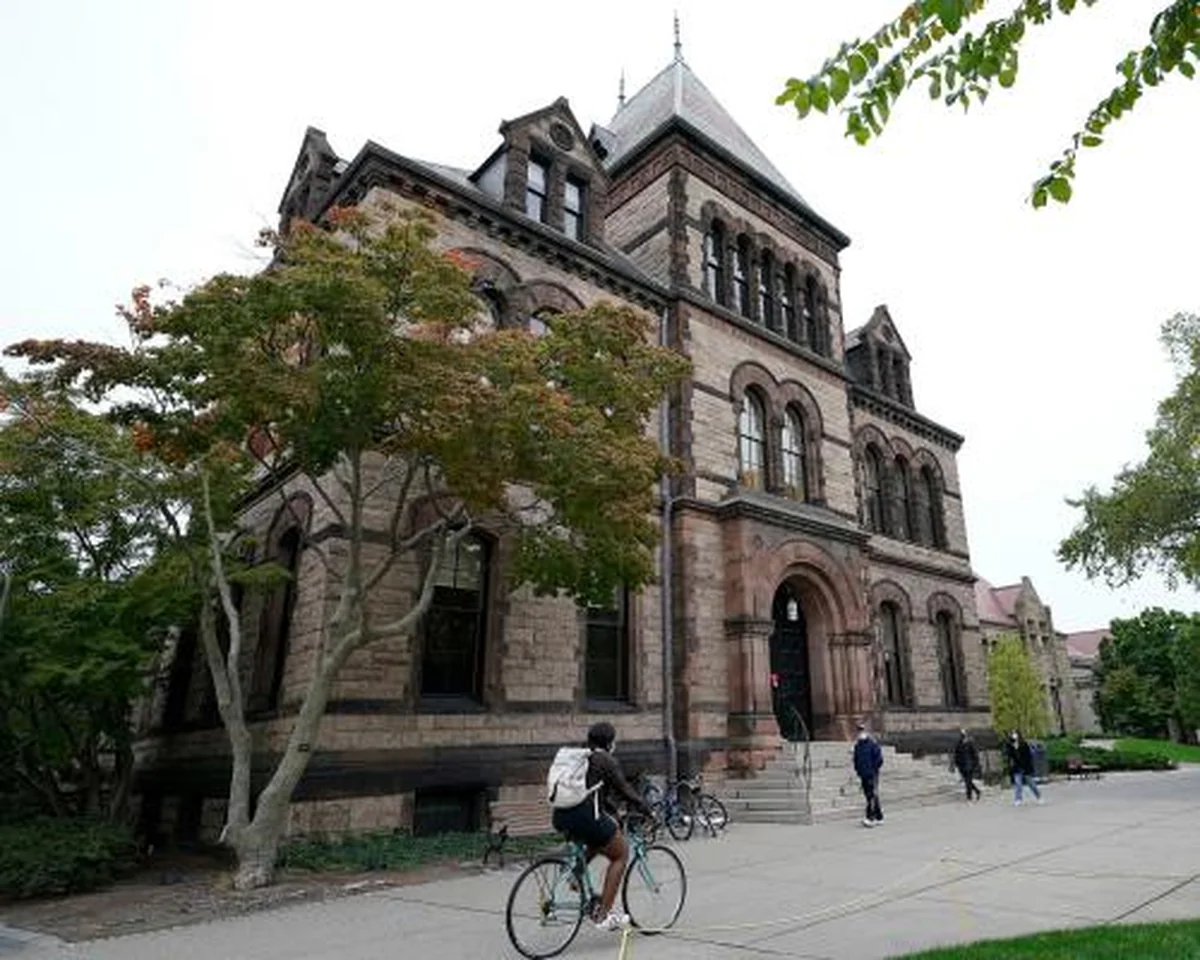
Brown University Declines Trump’s Funding Overhaul
Providence, RI – Brown University has emerged as the second prominent higher education institution to officially reject an invitation from Donald Trump, opting out of his administration’s contentious 10-page “Compact for Academic Excellence in Higher Education.” This proposed agreement sought to reshape university policies, offering preferential access to federal funding in exchange for adherence to its stipulations, which include significant restrictions on diversity, equity, and inclusion (DEI) initiatives, alongside limitations on international student enrollment.
The decision by the Ivy League institution follows a similar refusal last week by the Massachusetts Institute of Technology (MIT), signaling a growing pushback from top-tier universities against the compact’s proposed framework. The compact, initially introduced to nine universities at the beginning of October, aims to fundamentally alter the operational landscape of American academia.
Brown Cites Academic Freedom and Autonomy
In a letter dispatched on Wednesday to administration officials, Brown University President Christina Paxson articulated profound concerns regarding the compact’s potential ramifications. Paxson stated her apprehension that the agreement, “by its nature and by various provisions would restrict academic freedom and undermine the autonomy of Brown’s governance.” This direct challenge highlights a core tenet of university operations: the ability to self-govern and pursue intellectual inquiry without external interference.
Beyond institutional independence, President Paxson also raised critical questions about the proposed criteria for research funding. “Additionally, a fundamental part of academic excellence is awarding research funding on the merits of the research being proposed,” she emphasized. Paxson noted that the compact’s accompanying cover letter suggested funding research based on criteria other than “the soundness and likely impact of research,” a departure she warned “would ultimately damage the health and prosperity of Americans.” This concern underscores the potential for political influence to supersede scientific rigor in the allocation of vital research grants.
Echoes from MIT
Brown’s objections closely parallel those voiced by MIT President Sally Kornbluth when her institution declined the offer last week. Kornbluth similarly asserted that the compact threatened to “restrict freedom of expression and our independence as an institution.” She, too, underscored the importance of merit-based processes for awarding research grants, arguing that the compact would undermine these foundational principles.
The consistent messaging from two of the nation’s leading universities suggests a shared institutional commitment to preserving academic integrity and autonomy in the face of federal inducements. Their rejections indicate a unified front against what many in academia perceive as an overreach into university governance and academic decision-making.
Advocacy Groups Applaud Stance
The American Association of University Professors (AAUP) swiftly commended Brown’s decision. Todd Wolfson, president of the AAUP, released a statement praising the university’s resolve. “By declining to compromise its core mission, Brown University has affirmed that no amount of federal inducement is worth surrendering the freedom to question, explore and dissent,” Wolfson stated. He further characterized Brown’s rejection as a pivotal moment, asserting that “In rejecting the compact, Brown stands as a bulwark for higher education’s sacred commitment to academic freedom and institutional self-governance.”
The compact’s provisions targeting diversity, equity, and inclusion programs have been a particular point of contention. Critics argue that such restrictions would stifle efforts to create more inclusive campus environments and limit opportunities for underrepresented groups. Similarly, proposed limits on international student enrollment have raised alarms within universities that rely on a global talent pool for research, innovation, and diverse perspectives.
As the “Compact for Academic Excellence” faces continued scrutiny, the rejections by Brown and MIT highlight a significant ideological chasm between the administration’s vision for higher education and the core values upheld by many academic institutions across the nation. The unfolding narrative suggests that the battle over the future of university autonomy and federal funding is far from over.
Source: The Guardian