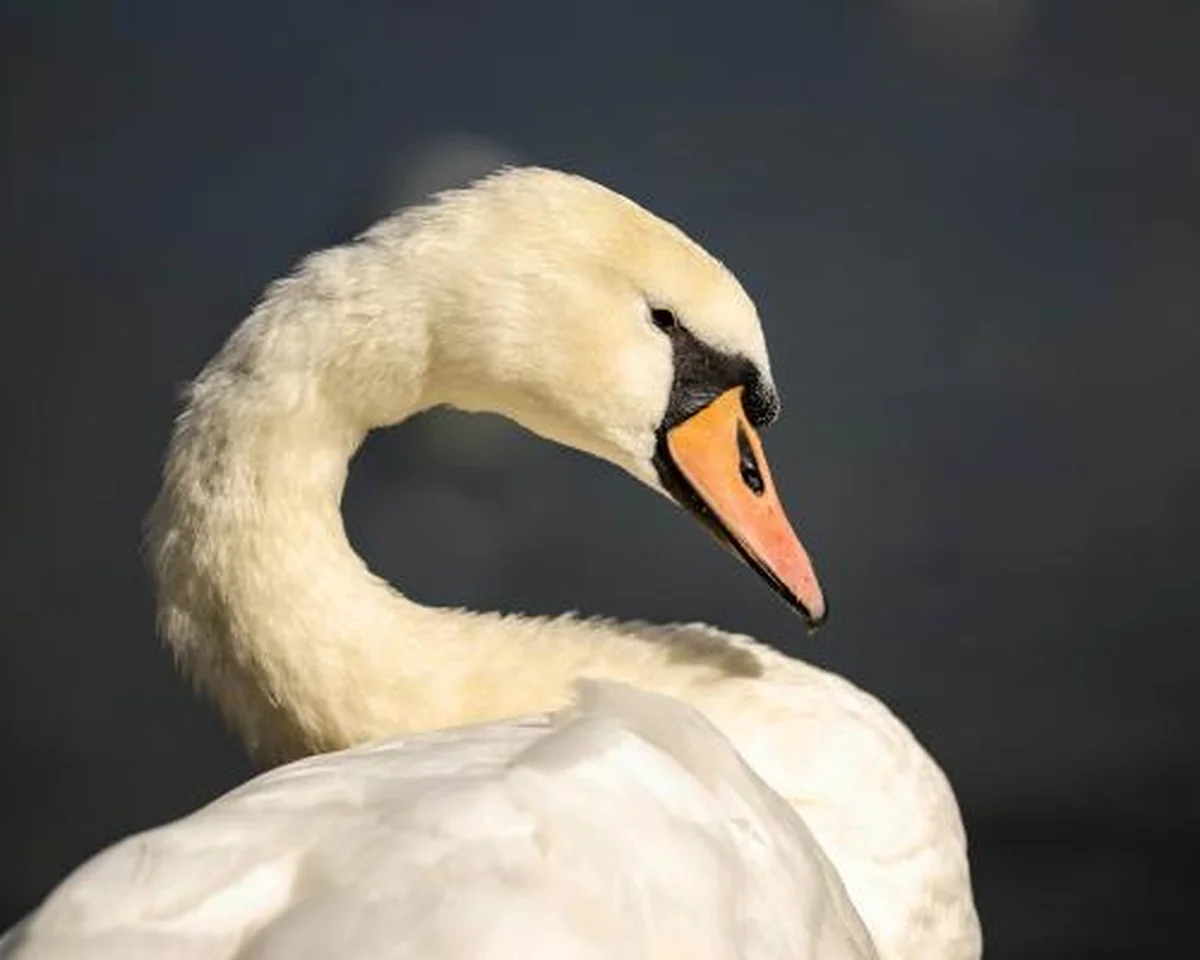
California Authorizes Mute Swan Hunting Amid Wetland Crisis
SACRAMENTO, Calif. – A new legislative measure in California is set to permit the year-round culling of non-native mute swans beginning next year, a decision that has ignited debate across the state. While some officials assert this action is vital for safeguarding California’s already depleted wetlands and indigenous waterfowl, others have decried it as “inhumane.”
Mute swans, long admired for their aesthetic appeal as ornamental birds, have seen a rapid proliferation across California. Wildlife authorities contend that these large birds degrade crucial habitats and aggressively displace native species, posing a significant threat to the state’s ecological balance.
A Growing Threat to Fragile Ecosystems
Assembly Bill 764, which Governor Gavin Newsom signed into law earlier this month, incorporates mute swans into the roster of invasive avian species that can be hunted with minimal restrictions. They now join other non-native birds like the English sparrow and starling on this list. The new statute is slated to take effect on January 1st.
Peter Tira, an information officer with the California Department of Fish and Wildlife (CDFW), articulated the core issue: “The challenge is that their numbers have proliferated and they do a lot of damage to the wetlands.” He further emphasized the critical state of the state’s natural habitats, stating, “California has lost between 90 and 95% of its historic wetlands, and these birds occupy those wetlands and do a lot of damage.”
Ecological Impact: Disrupting Aquatic Habitats
The presence of mute swans in areas where they were not historically found can significantly alter wetland ecosystems. Their substantial size contributes to considerable consumption of aquatic vegetation.
Margaret Rubega, an ornithologist and professor of ecology and evolutionary biology at the University of Connecticut, elaborated on their destructive feeding patterns. “Because they’re big birds, they do tend to consume quite a lot of vegetation,” she explained. “They eat aquatic vegetation, stuff that will grow with its roots underwater, and they not only eat a lot of it, but they will tend to dig it up at the roots, so they’re disturbing the bottom.”
Rubega underscored the profound impact, adding, “They really have the capacity to alter the nature of the wetland a lot, and in a way that will change it for, not only the other birds, but for all kinds of other plants and animals.”
Aggressive Territorial Behavior
Beyond their feeding habits, mute swans are known for their highly aggressive territorial behavior, particularly during the breeding season when they are guarding eggs or cygnets. Once they establish a territory, they fiercely chase away other birds that venture into their feeding grounds, further diminishing resources and safe spaces for native species.
The state’s decision reflects a growing concern for its imperiled natural landscapes, balancing the aesthetic value of an introduced species against the ecological imperative to preserve native biodiversity and critical wetland habitats. The implementation of AB 764 marks a decisive step in California’s ongoing efforts to manage invasive species and mitigate their environmental toll.
Source: The Guardian