CDC Panel Postpones Key Infant Vaccine Restriction Vote
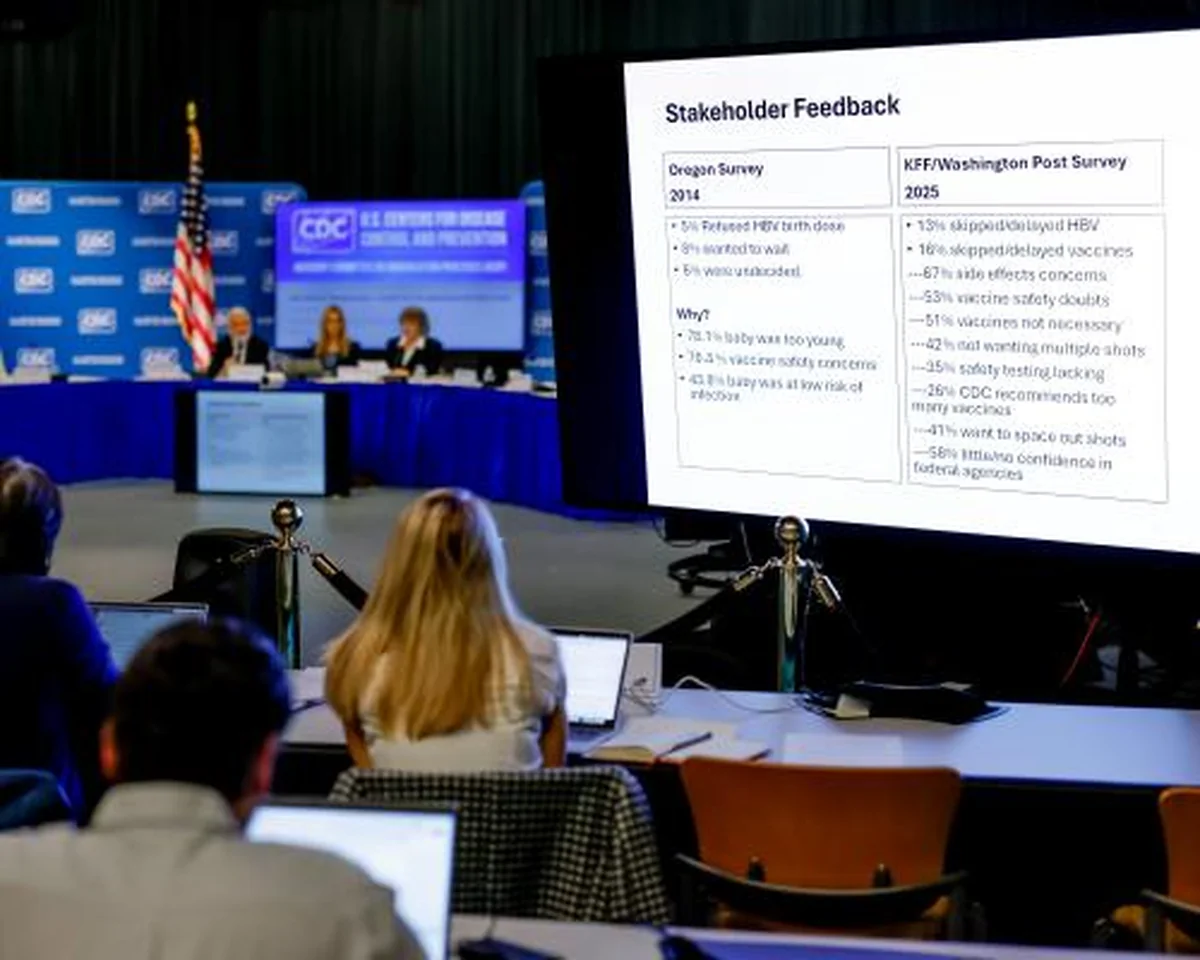
A U.S. Centers for Disease Control and Prevention (CDC) advisory committee has opted to postpone a pivotal decision regarding the restriction of hepatitis B vaccinations for infants. The vote, initially slated for Thursday, was deferred following a notably contentious gathering of the Advisory Committee on Immunization Practices (ACIP).
The session, marked by significant disagreement, concluded with a motion to delay the vote passing by a margin of six to three. The stated purpose of this postponement was to allow committee members additional time to meticulously review the precise wording of the proposed restriction before proceeding with a formal vote. This unprecedented debate centered on limiting access to a vaccine widely recognized for its safety and effectiveness, which has been routinely administered to newborns for decades.
A Contentious Deliberation
The advisory panel’s discussion grew heated at various points, particularly concerning the rationale behind considering such a significant shift in public health policy. Notably, during the meeting, no new scientific data or evidence suggesting harm from the hepatitis B vaccine was presented. This vaccine boasts an exceptional safety profile, having been administered to an estimated 1.4 billion individuals globally over more than three decades without significant adverse events.
Currently, the hepatitis B vaccine is universally recommended and provided to all infants at birth. During the contentious proceedings, two committee members vocally demanded any evidence of harm associated with the vaccine, simultaneously underscoring its well-documented benefits. Their remarks were, at times, interrupted by the meeting’s vice-chair, further highlighting the deep divisions within the panel.
Safety Record and Expert Concerns
The move to even consider restricting access to a vaccine with such a robust safety record has raised alarms among public health experts. Any alteration to the established and recommended schedule for infant hepatitis B vaccination could carry significant and widespread repercussions for pediatric health across the United States. Such changes could complicate immunization protocols for healthcare providers and create confusion for families seeking to understand their children’s vaccination options.
Influence and Previous Recommendations
The composition of the ACIP itself has drawn scrutiny. Several current advisers were reportedly selected by Donald Trump’s controversial health secretary, Robert F. Kennedy Jr., a prominent anti-vaccine activist. These appointed members are described as long-standing proponents of anti-vaccine viewpoints. Kennedy himself has been a vocal advocate for delaying this particular vaccine. This aborted vote on the hepatitis B shot follows previous ACIP meetings where similar recommendations were made to restrict access to other crucial childhood immunizations, including COVID-19, measles, mumps, rubella (MMR), and chickenpox vaccines. These prior actions have been criticized for making it more challenging for both healthcare providers and parents to navigate vaccination choices.
Leadership Shake-Up and Future Implications
Adding another layer of complexity, the leadership of the ACIP underwent a recent change. The former chair, Martin Kulldorff, transitioned to a role within the U.S. Department of Health and Human Services (HHS) earlier this week. His position has since been filled by Kirk Milhoan. The implications of this new leadership, combined with the panel’s ongoing debates, leave the future of infant hepatitis B vaccination recommendations uncertain.
The decision to delay the vote underscores the profound divisions within the CDC’s advisory body. As the committee prepares to revisit the issue, public health advocates remain vigilant, emphasizing the critical importance of maintaining evidence-based immunization schedules for the well-being of the nation’s children.
Source: The Guardian