CDC Limits Infant Hepatitis B Vaccine Access
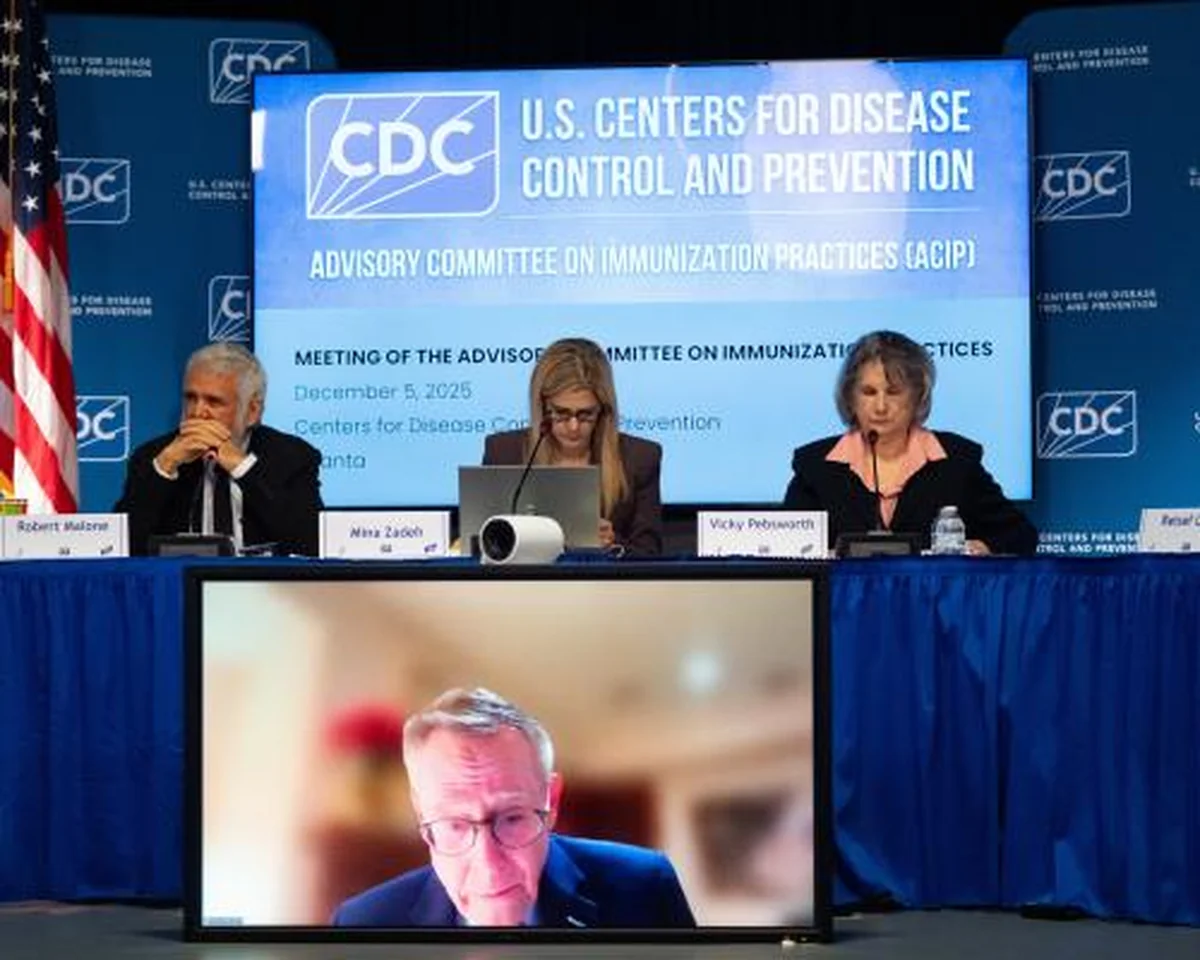
In a significant shift for public health policy, vaccine advisory committees for the U.S. Centers for Disease Control and Prevention (CDC) have voted to restrict access to the hepatitis B vaccine for newborns. The decision, made Friday morning, marks a notable departure from decades of established practice, prompting questions about its implications for infant health and routine immunization schedules nationwide.
What Changed with Hepatitis B Vaccine Recommendations?
Previously, the hepatitis B vaccine was routinely offered to all newborns at birth, a practice widely considered standard. However, the official panel of vaccine advisers for the CDC has now recommended a more limited approach. Instead of universal access, parents will now be advised to consult with a doctor to determine if their newborn qualifies for vaccination. This unprecedented move introduces a new layer of deliberation into what was once a straightforward immunization.
Under the new guidance, parents can still request the hepatitis B shot for their baby after birth, but a mandatory consultation with a physician is required to assess eligibility. Furthermore, the advisers now suggest that the vaccine should not be administered until the child reaches two months of age or later, delaying a shot traditionally given within hours or days of birth.
Why Is This Policy Shift Significant?
This decision holds considerable weight because it is the first instance in decades that CDC advisers have moved to limit access to a routine vaccination. The hepatitis B vaccine has been deemed safe and highly effective for many years, making this change particularly noteworthy. It follows a similar, though less impactful, vote a few months prior, where the same advisory group recommended separating the combined measles, mumps, and rubella (MMR) and chickenpox (varicella) vaccines, suggesting they be given as individual shots instead.
Such shifts in recommendations for long-standing, routine immunizations are rare and often signal broader discussions within public health circles regarding vaccine policy and parental choice.
Potential Impact on Newborns and Healthcare
The new guidelines are expected to introduce several challenges for both families and healthcare providers. Access to the vaccine may become more difficult; hospitals might reduce their stock of doses if they anticipate fewer parental requests. Pediatricians, too, could become hesitant to administer the shot before the two-month mark, adhering strictly to the new advisory.
Moreover, the added layer of discussion and potential confusion surrounding these new requirements could inadvertently lead some parents and even doctors to forgo the vaccinations entirely. This outcome raises concerns among public health advocates about potential declines in vaccination rates for a preventable disease.
Understanding “Shared Clinical Decision-Making”
A key term emerging from this policy change is “shared clinical decision-making,” which is now set to govern much of the access to the hepatitis B vaccine. This phrase is not widely understood or commonly used in routine medical practice. Essentially, it transforms a vaccine from a standard, recommended part of official immunization schedules into an optional one, requiring a detailed discussion between patient (or parent) and doctor to weigh benefits and risks in individual circumstances.
This approach has only been applied to a limited number of other vaccines—specifically, five—before this recent expansion to include the hepatitis B shot for newborns. The move underscores a broader philosophical shift in how certain immunizations are presented and accessed within the U.S. healthcare system.
Source: The Guardian