Costco Battles Trump Admin Over Tariff Authority
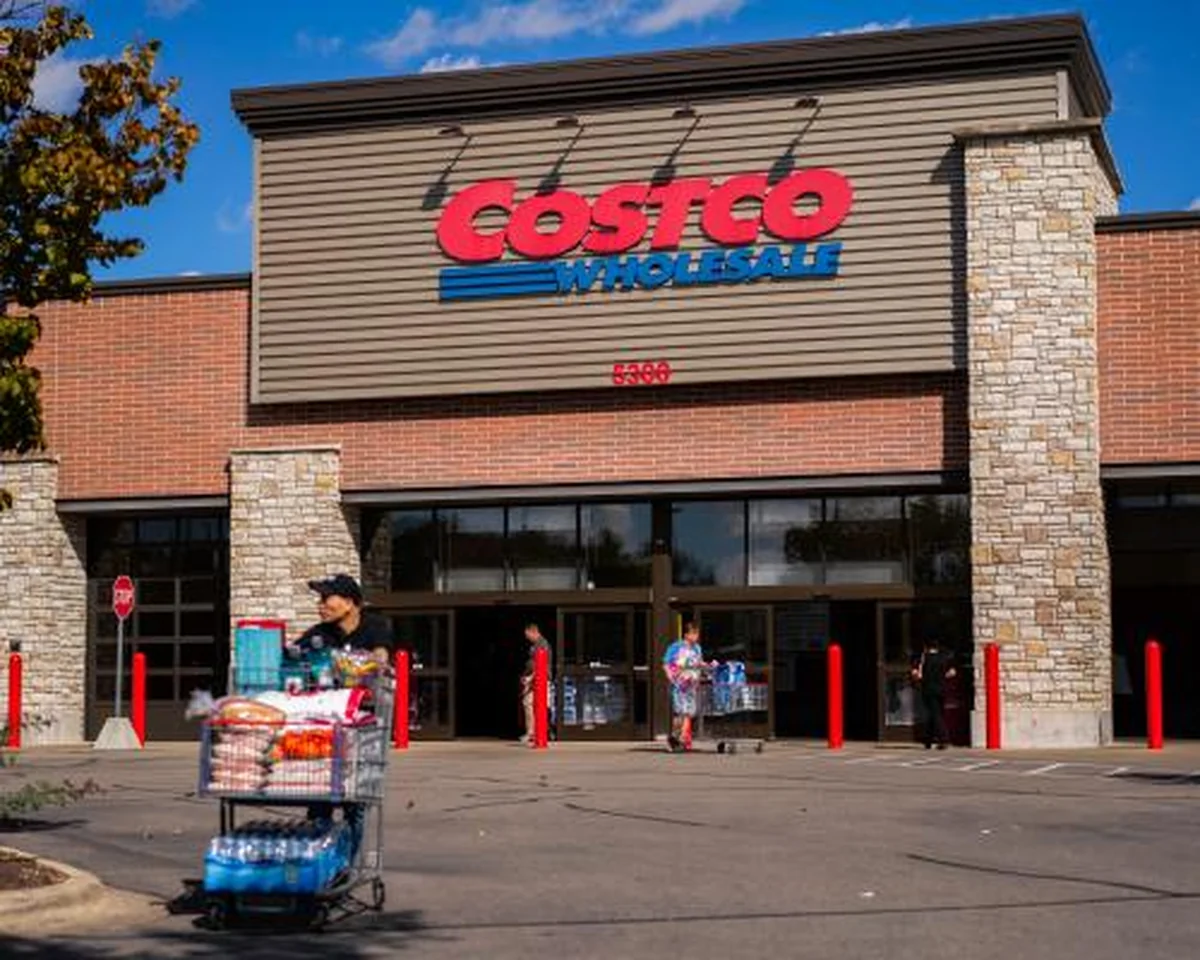
Retail behemoth Costco has launched legal action against the Trump administration, challenging the sweeping application of emergency powers to levy tariffs. The warehouse club giant contends that the White House overstepped its executive authority in imposing these import duties and asserts its right to a refund should the tariffs ultimately be deemed unconstitutional.
The lawsuit, lodged last Friday with the Court of International Trade, argues that the Trump administration has improperly invoked the International Emergency Economic Powers Act (IEEPA) as the legal basis for the tariffs. Costco, the largest warehouse club chain in the U.S., highlighted that while IEEPA grants the president specific powers, these “may only be exercised to deal with an unusual and extraordinary threat with respect to which a national emergency has been declared for purposes of this chapter and may not be exercised for any other purposes.” This direct quote from the federal statute underscores Costco’s central claim of misuse.
Challenging the Scope of Emergency Powers
Further bolstering its argument, Costco’s filing points out a critical omission in the legislation: the IEEPA “does not use the word ‘tariff’ or any term of equivalent meaning.” This detail forms a significant part of the challenge to the administration’s interpretation of the law, suggesting that the statute was not intended to authorize the imposition of broad import taxes.
The lawsuit unfolds as a parallel legal battle to ongoing proceedings at the nation’s highest court. In November, the Supreme Court heard oral arguments concerning the legality of Donald Trump’s tariffs. During these proceedings, justices on the conservative-majority court appeared to express skepticism regarding the White House’s assertion that the IEEPA comprehensively covers the tariffs in question.
Chief Justice John Roberts, a key voice in the Supreme Court, articulated this concern during the arguments, stating, “The vehicle is the imposition of taxes on Americans, and that has always been a core power of Congress.” His comment reinforces the long-standing constitutional principle that the power to tax traditionally rests with the legislative branch, not the executive.
The Urgent Race Against Liquidation
While the Supreme Court is anticipated to deliver its decision on the tariffs this spring, Costco emphasized the immediate urgency of its lawsuit. The company argues that even a favorable ruling from the Supreme Court, declaring Trump’s tariffs unconstitutional, would not automatically guarantee importers a refund for “those unlawfully collected tariffs.”
This critical issue stems from the operational procedures of Customs and Border Protection (CBP), the federal agency tasked with collecting tariffs. CBP “liquidates,” or finalizes, the total amount of tariffs an importer owes approximately 314 days after goods enter the country. Federal courts have previously issued warnings that importers might lose their legal standing to recover refunds for tariffs on goods that have been liquidated, “even where the underlying legality of a tariff is later found to be unlawful.”
Costco’s proactive legal challenge underscores the significant financial stakes for businesses across the country. The lawsuit seeks to establish a clear path for restitution, preventing importers from being unfairly penalized by potentially unlawful tariffs due to bureaucratic timelines. The outcome of this case, alongside the Supreme Court’s impending decision, could redefine the boundaries of presidential emergency powers and their application to trade policy.
Source: The Guardian