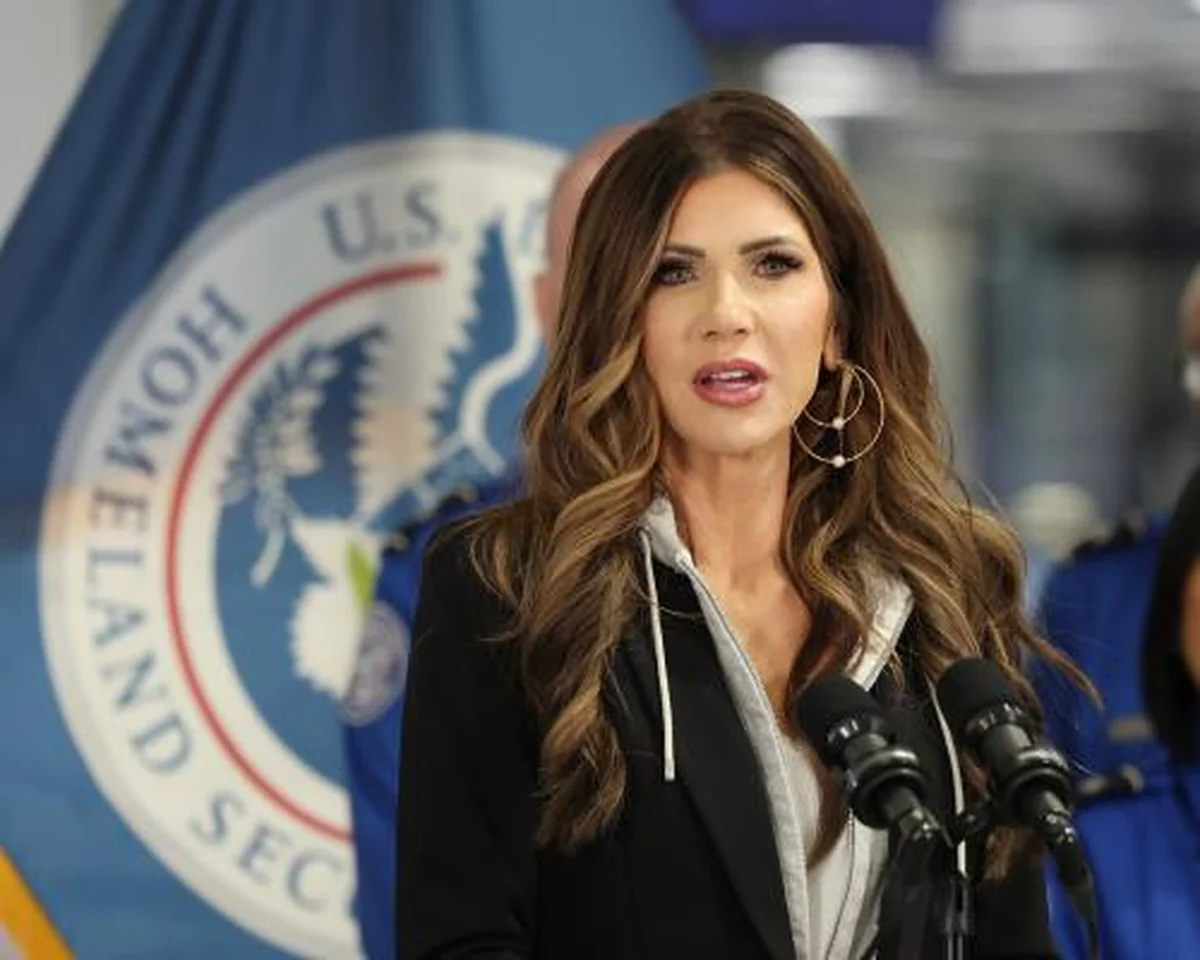
DHS to Significantly Widen US Travel Ban Scope
The United States is poised to dramatically increase the number of nations subject to its stringent travel restrictions, a move announced by Department of Homeland Security (DHS) Secretary Kristi Noem. The expanded prohibition will encompass over 30 countries, a substantial rise from the current list of 19 nations, affecting both prospective immigrants and non-immigrant visitors such as tourists, students, and business professionals.
Currently, the existing travel restrictions apply to individuals from Afghanistan, Burma, Burundi, Chad, Cuba, Equatorial Guinea, Eritrea, Haiti, Iran, Laos, Libya, Republic of the Congo, Sierra Leone, Somalia, Sudan, Togo, Turkmenistan, Venezuela, and Yemen. Secretary Noem, however, did not disclose the specific countries slated for addition to this growing list.
Broadening US Travel Restrictions
The decision to broaden the travel ban has drawn immediate and sharp condemnation from immigration advocacy organizations and congressional lawmakers. Critics are particularly concerned about the implications for visa applicants from the 19 countries already named, as reports indicate that naturalization ceremonies for individuals previously on the travel ban list are now being canceled.
In an interview with Fox News, Secretary Noem confirmed the administration’s intent. “I won’t be specific on the number, but it’s over 30, and the president is continuing to evaluate countries,” she stated. This expansion signals a further intensification of the administration’s immigration enforcement measures, following recent events including the shooting of two National Guard members in Washington D.C. last week, which some observers link to a broader push for stricter border and entry controls.
The administration’s stance on immigration has been a hallmark of its policy agenda, with this latest announcement reinforcing a trend of tightening entry requirements and increasing scrutiny for foreign nationals seeking to enter or reside in the U.S.
Supreme Court to Hear Birthright Citizenship Case
In a related development on the legal front, the U.S. Supreme Court is set to consider the legality of President Trump’s executive order concerning birthright citizenship. This contentious order, issued mere hours after the president commenced his second term, was immediately challenged and blocked from implementation.
The executive order represents a significant component of the administration’s expansive immigration crackdown. Its aim is to reinterpret a 19th-century constitutional provision, a move that could fundamentally alter the understanding and application of birthright citizenship in the United States. The justices’ decision will have profound implications for future immigration policy and constitutional law.
Caribbean Airstrike Claims More Lives
Separately, a tragic incident in the Caribbean saw two men, survivors of a U.S. airstrike on a suspected drug-smuggling vessel, perish after clinging to the wreckage for an hour. Details surrounding the second deadly attack remain under investigation.
Source: The Guardian