Industry Insider Poised to Lead EPA Chemical Safety
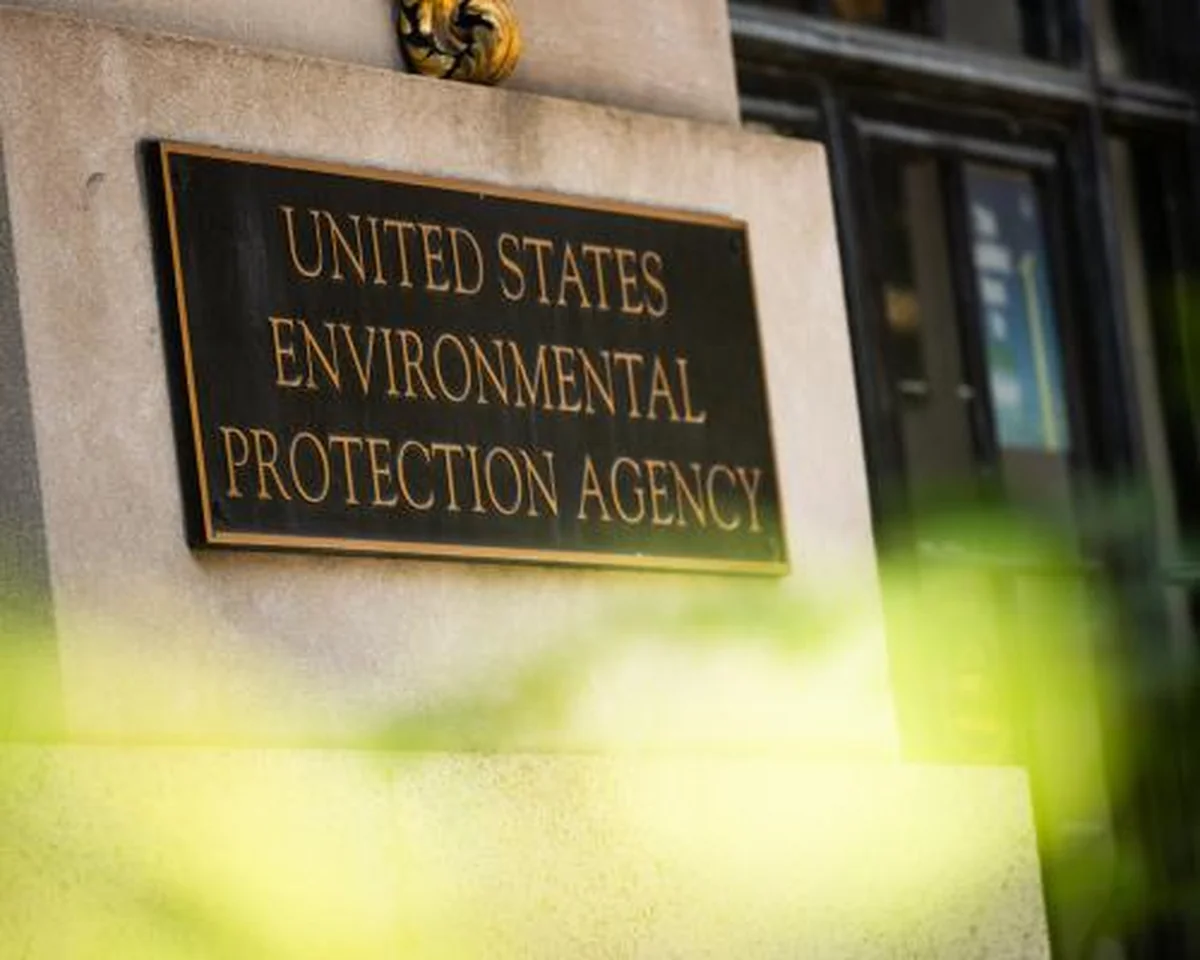
The U.S. Senate is on the verge of confirming a contentious nominee to head the Environmental Protection Agency’s crucial chemical safety division. If approved, Donald Trump’s pick, Douglas Troutman, an established industry lobbyist, would take the helm of the EPA’s Office of Chemical Safety and Pollution Prevention, a move that has ignited significant concern among public health and environmental advocates.
Should Troutman gain confirmation, all four of the EPA’s most senior positions within its toxics office would be occupied by individuals with prior ties to the chemical industry. This potential shift has intensified anxieties regarding the future of public health, consumer product safety, and worker protections across the nation, according to various campaigning groups.
Industry Influence Deepens at EPA
Scott Faber, vice-president of government affairs for the Environmental Working Group (EWG), a non-profit organization advocating for chemical safety, did not mince words. “The lunatics are running the asylum, and industry is firmly in charge of chemical safety,” Faber stated, expressing the sentiment of many critics. He added, “They will stop at nothing to reverse the progress that we’ve made in recent years on toxic chemicals.”
Troutman currently serves as the chief lobbyist for the American Cleaning Institute, a prominent trade association representing manufacturers of cleaning products. Its membership includes major corporations such as BASF, Dow, and Procter & Gamble. His potential appointment to this pivotal EPA role is seen by many as a direct pathway for industry interests to influence regulatory decisions from within the agency.
Critical Responsibilities at Stake
The Office of Chemical Safety and Pollution Prevention, which Troutman would oversee, bears immense responsibility for safeguarding Americans from harmful substances. Its mandate includes rigorously evaluating the safety of new chemicals that companies seek to introduce to the market, re-assessing previously approved chemicals, and managing the nation’s comprehensive pesticides program. These functions are vital for preventing hazardous chemicals from entering homes, workplaces, and the environment.
Nominee’s Stance on Regulation
During his testimony before the Senate Committee on Environment and Public Works, Troutman’s remarks signaled an inclination toward the administration’s deregulatory agenda. “I hope to bring a reasoned approach to engaging chemical management matters and issues under the belief that economic prosperity and environmental protection are not mutually exclusive,” Troutman said. While seemingly balanced, this phrasing is often interpreted by critics as a precursor to prioritizing economic interests over stringent environmental safeguards.
Troutman’s professional history includes lobbying for the industry during the 2016 revision of the Toxic Substances Control Act (TSCA). This legislation was ostensibly designed to bolster protections against toxic chemicals. However, industry efforts during its rewrite successfully incorporated “loopholes” that chemical manufacturers and other producers have since exploited, diminishing the act’s intended impact. Faber, who has frequently found himself on opposing sides of legislative debates with Troutman, highlighted these past interactions as indicative of the nominee’s pro-industry leanings.
The impending Senate vote on Douglas Troutman’s nomination underscores a broader concern about the increasing influence of former industry insiders in key environmental and public health regulatory roles. Advocates fear that such appointments could systematically dismantle vital protections, potentially exposing the American public to greater risks from hazardous chemicals.
Source: The Guardian