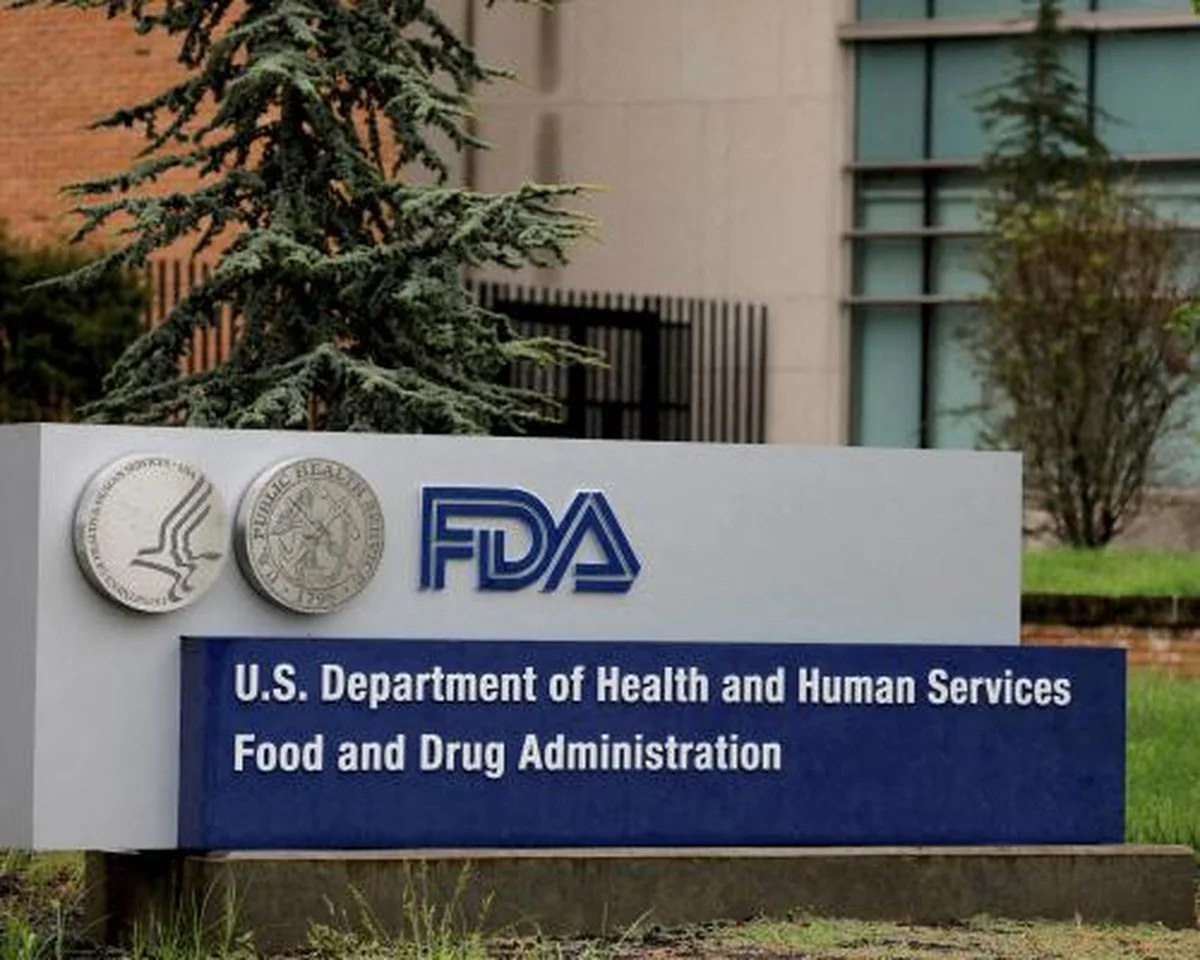
Top FDA Drug Official Signals Retirement Amid Deepening Turmoil
Just weeks after assuming a pivotal leadership role, the U.S. Food and Drug Administration’s top drug official, Richard Pazdur, has signaled his potential departure, further deepening a period of intense upheaval within the agency’s senior ranks. His indication on Tuesday that he may retire adds another layer of uncertainty to an institution already grappling with mounting political pressure and pervasive internal conflict.
A Leader’s Swift Reconsideration
Pazdur, a long-serving FDA veteran and highly respected oncology expert, was widely anticipated to inject much-needed stability into the organization. His acceptance of the position, reportedly after initial hesitation and at the urging of FDA Commissioner Marty Makary, made him the fourth individual to lead the Center for Drug Evaluation and Research (CDER) this year alone. Sources close to the agency suggest that should Pazdur proceed with retirement, the task of finding a suitable successor would be exceptionally difficult, given the confluence of escalating political pressure and pervasive internal strife.
Janet Woodcock, a former acting FDA commissioner, articulated the scarcity of qualified candidates, stating, “Who else is left? He was the one person who was identified. There’s been a lot of departures, and it would be hard to find a substitute now with all this turmoil.” While filing preliminary retirement papers is the initial step, Pazdur retains the option to remain at the agency, leaving the door open to a reversal of his current inclination.
A Pattern of Departures and Disputes
Pazdur’s potential exit comes on the heels of several high-profile leadership changes at CDER, which plays a critical role in ensuring the safety and efficacy of prescription and over-the-counter drugs. His predecessor, George Tidmarsh, reportedly left amid allegations in a lawsuit claiming he retaliated against a former business partner in making regulatory decisions. Tidmarsh, however, maintains his departure was a consequence of his skepticism regarding a new expedited regulatory review mechanism, dubbed the “Commissioner’s National Priority Voucher.”
Further illustrating the internal discord, Tidmarsh also reportedly clashed with Vinay Prasad, who holds dual roles as director of the Center for Biologics Evaluation and Research (CBER) and the FDA’s chief medical and scientific officer. Prasad himself experienced a brief removal from his position over the summer before being reinstated, highlighting the fluidity and tension within the agency’s leadership structure. Woodcock underscored the challenging environment, noting, “There’s lots of conflict going on. Being asked to manage through that and do all these new things in the time when a lot of people have left, resigned, been forced out – it’s a very hard problem.”
The Road Ahead for Drug Regulation
Adding to the complexity, Pazdur was also slated to spearhead the Commissioner’s new rapid drug approval initiative – an innovative program colloquially likened to a “Shark Tank” for drug regulation decisions, designed to streamline the evaluation process. The status of this initiative, and indeed the agency’s broader operational stability, hangs in the balance as leadership uncertainty persists at a time when the FDA’s role in public health has never been more scrutinized.
The prospect of another high-level departure underscores a period of profound instability and leadership flux at the FDA. As the agency navigates intricate scientific challenges, public health demands, and intense political scrutiny, the ability to maintain consistent, respected leadership becomes ever more critical. The coming weeks will reveal whether Pazdur commits to his pivotal role or if the search for a steady hand at the helm of the nation’s drug regulation continues amidst deepening turmoil.
Source: The Guardian