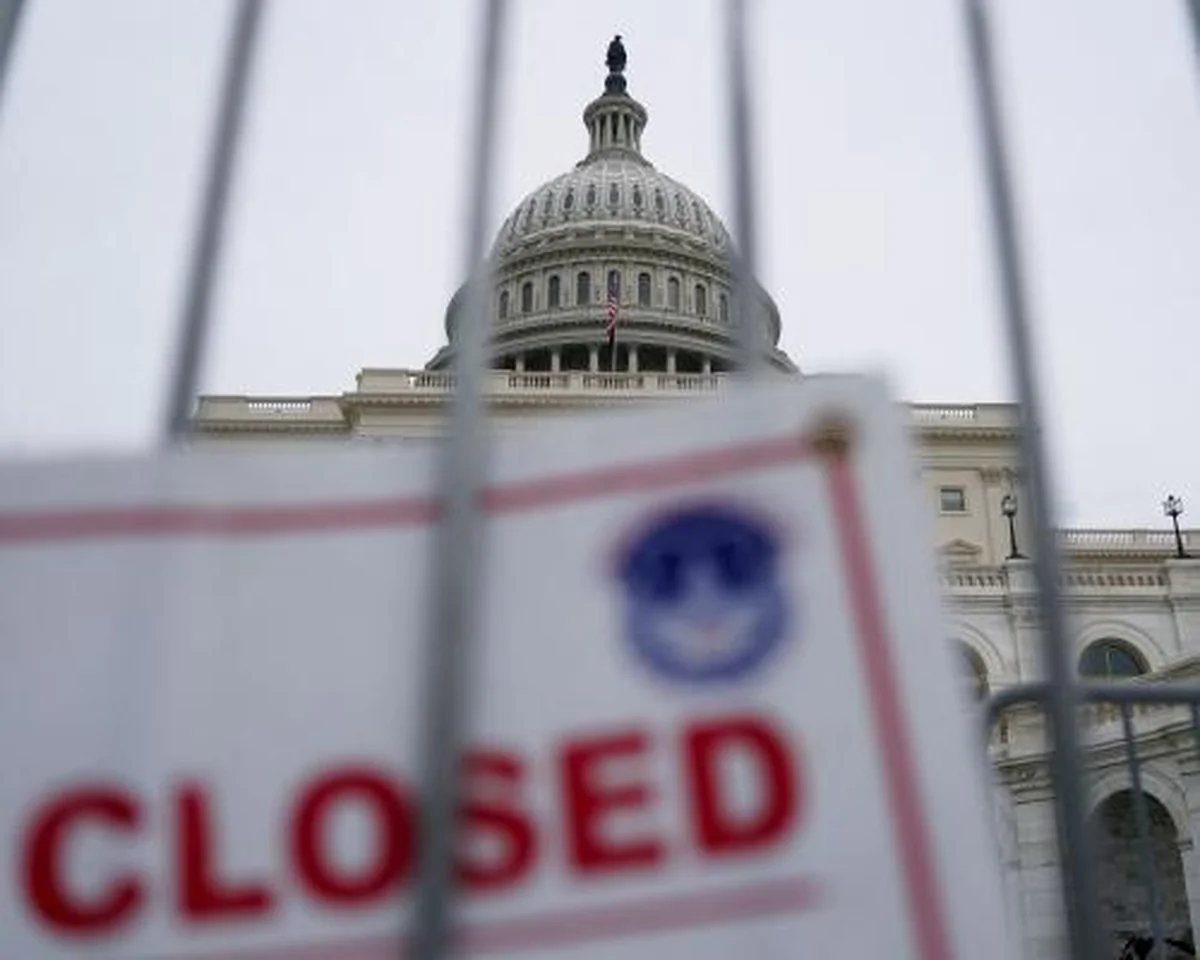
Federal Shutdown Begins: National Parks Face Repeat Damage
The United States government has entered its first shutdown since 2018, as a critical funding bill failed to pass, immediately impacting federal operations nationwide. Among the most visible effects is the furloughing of staff at America’s cherished national parks, sparking urgent concerns that these natural treasures could once again endure severe, irreversible damage if left unsupervised.
A troubling precedent looms large. During a month-long shutdown in Donald Trump’s initial presidential term, his administration controversially insisted that national parks remain accessible to the public despite a complete halt in funding and the furloughing of essential personnel. This decision proved catastrophic, leading to widespread destruction across popular sites.
A Troubling Precedent of Destruction
The consequences of the previous unstaffed period were stark and devastating. At California’s iconic Joshua Tree National Park, some Joshua trees, many over a century old, were illegally chopped down. The park was also overwhelmed by overflowing trash receptacles and unsanitary restroom facilities. In Texas, prehistoric petroglyphs at Big Bend National Park suffered vandalism, a loss of immeasurable historical value. The fragile desert ecosystems of Death Valley experienced significant harm, with illegal off-roading vehicles leaving tire tracks that crushed sensitive plants and vital habitats.
Widespread Vandalism and Ecological Harm
Beyond these specific incidents, the 2018 shutdown saw a disturbing rise in wildlife poaching. Search-and-rescue teams, lacking adequate support, were quickly inundated with emergency calls. Visitor centers, typically bastions of information and safety, were broken into, further compromising park infrastructure and security. These events underscore the critical role that National Park Service employees play in safeguarding these precious landscapes.
Urgent Calls for Park Closure
Recognizing the potential for a repeat of such devastation, a coalition of 40 former national park superintendents issued a stark warning this week. In a letter addressed to Interior Secretary Doug Burgum, they implored him to ensure parks are fully closed if a shutdown occurs. Their message was unequivocal: “National parks don’t run themselves. It is hard-working National Park Service employees that keep them safe, clean and accessible.” They further stressed, “If sufficient staff aren’t there, visitors shouldn’t be either.”
The Shutdown’s Immediate Impact
Just hours before the shutdown officially commenced, a plan was released outlining its immediate operational parameters. It revealed that vast tracts of park land that cannot be physically secured—including open-air memorials, park roads, and trails—will, regrettably, remain accessible to the public. The document also detailed a drastic reduction in workforce, with more than 9,200 employees slated for furlough, representing approximately 64% of the National Park Service staff. Only personnel deemed critical for protecting “life and property” are authorized to remain on duty, a skeleton crew facing immense challenges.
Political Gridlock Continues
This latest federal shutdown stems from a profound political impasse between congressional Democrats and former President Donald Trump. Their inability to forge a consensus on a funding agreement ultimately led to the government’s operational halt. The path to ending the shutdown remains uncertain, hinging on complex negotiations and unresolved legislative demands.
As the nation watches, the fate of its national parks hangs precariously in the balance, a stark reminder of the tangible consequences when political disagreements halt the essential functions of government.
Source: The Guardian