Florida’s Record Executions Spark Political Outcry
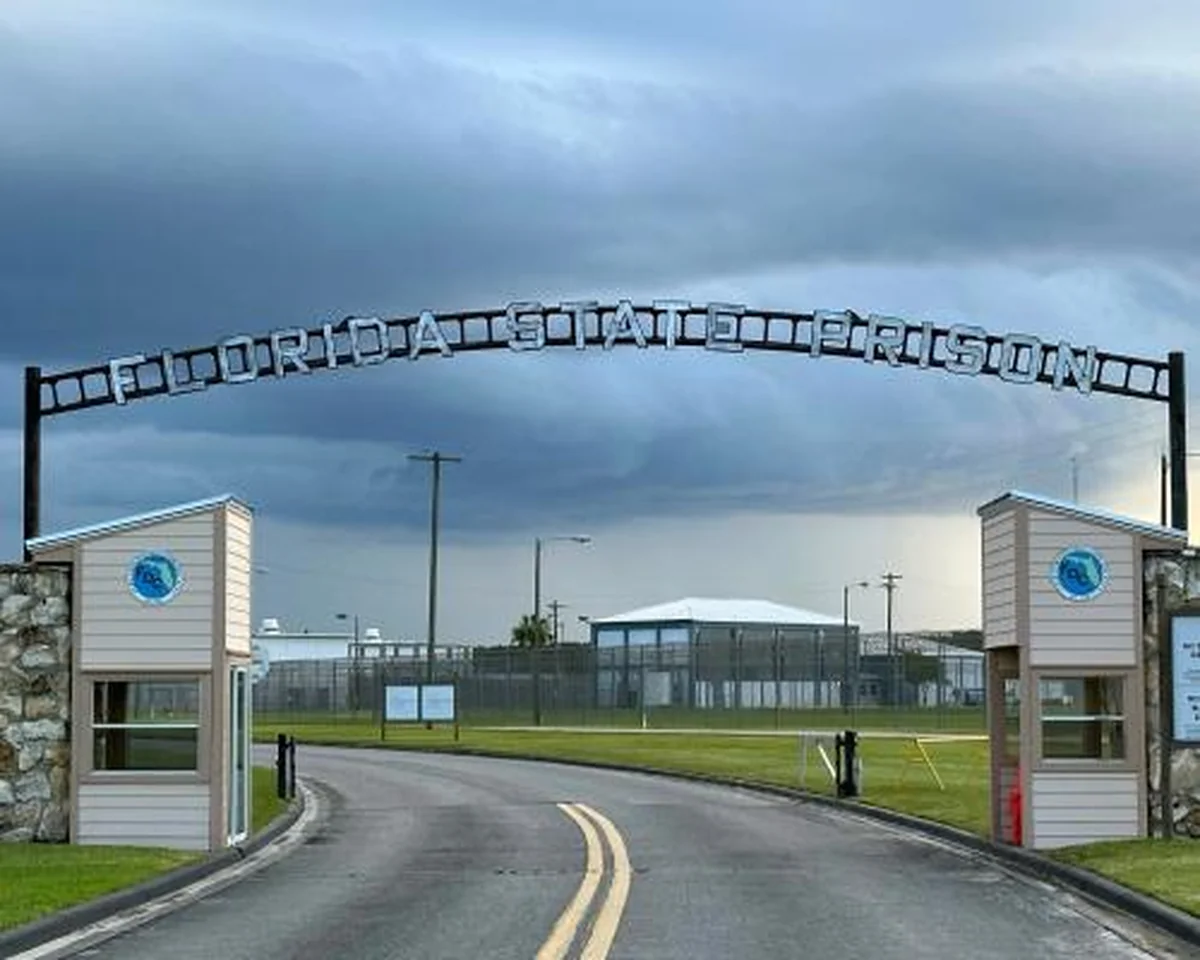
Florida has reached an unprecedented peak in capital punishment, with Governor Ron DeSantis facing accusations of politicizing the death penalty as the state shatters its execution records. The latest individual put to death was Norman Mearle Grim, a military veteran convicted of the 1998 murder and rape of a neighbor. Grim became the 15th person executed this year via lethal injection at the Florida state prison in Starke last Wednesday.
This surge marks a significant departure from previous years. With two additional death warrants already signed by Governor DeSantis, and executions scheduled before the end of November, Florida is poised to far exceed its prior annual record. The state’s previous high was eight executions in a calendar year, a figure reached in both 1984 and 2014, since the U.S. Supreme Court reinstated capital punishment in 1976.
Critics Denounce “Machinery” of Death
Advocacy groups are vehemently condemning the accelerated pace. Following the confirmation of Grim’s death, Floridians for Alternatives to the Death Penalty issued a powerful statement. “This is what happens when a government loses its conscience. When mercy is replaced with machinery. When killing becomes routine and our leaders tout the body count as an achievement,” the organization stated, underscoring their alarm at what they perceive as a cold, calculated approach to justice.
Governor DeSantis has not publicly provided a rationale for the dramatic increase in executions. His office also did not respond to inquiries regarding the upswing. However, organizations opposed to capital punishment offer a singular explanation: the governor’s political ambitions.
Allegations of Political Motivation
DeSantis, who is termed out of office in January 2027, is widely believed to harbor aspirations for the White House, potentially seeking to succeed Donald Trump. Critics suggest the recent surge in executions is a calculated move to bolster his conservative credentials ahead of a possible 2028 presidential bid. This strategy, they argue, mirrors past patterns.
For instance, in 2023, when DeSantis announced his ultimately unsuccessful campaign for his party’s presidential nomination, he authorized six executions. This spike followed a three-year period during which no executions took place in Florida. Conversely, in 2024, after his presidential candidacy faltered, only one execution was carried out.
Justin Mazzola, deputy director of research at Amnesty International, minced no words in his assessment. “It’s disgusting and disgraceful. The only logical or plain explanation is that Governor DeSantis is planning on running for the 2028 nomination,” Mazzola asserted, linking the state’s actions directly to the governor’s political trajectory.
The unprecedented number of executions under DeSantis has ignited a fierce debate, with opponents accusing the governor of leveraging the state’s ultimate penalty for political gain. As Florida continues its record-setting pace, the moral and ethical implications of capital punishment remain at the forefront of public discussion, overshadowed by persistent questions about the motives behind the sudden acceleration.
Source: The Guardian