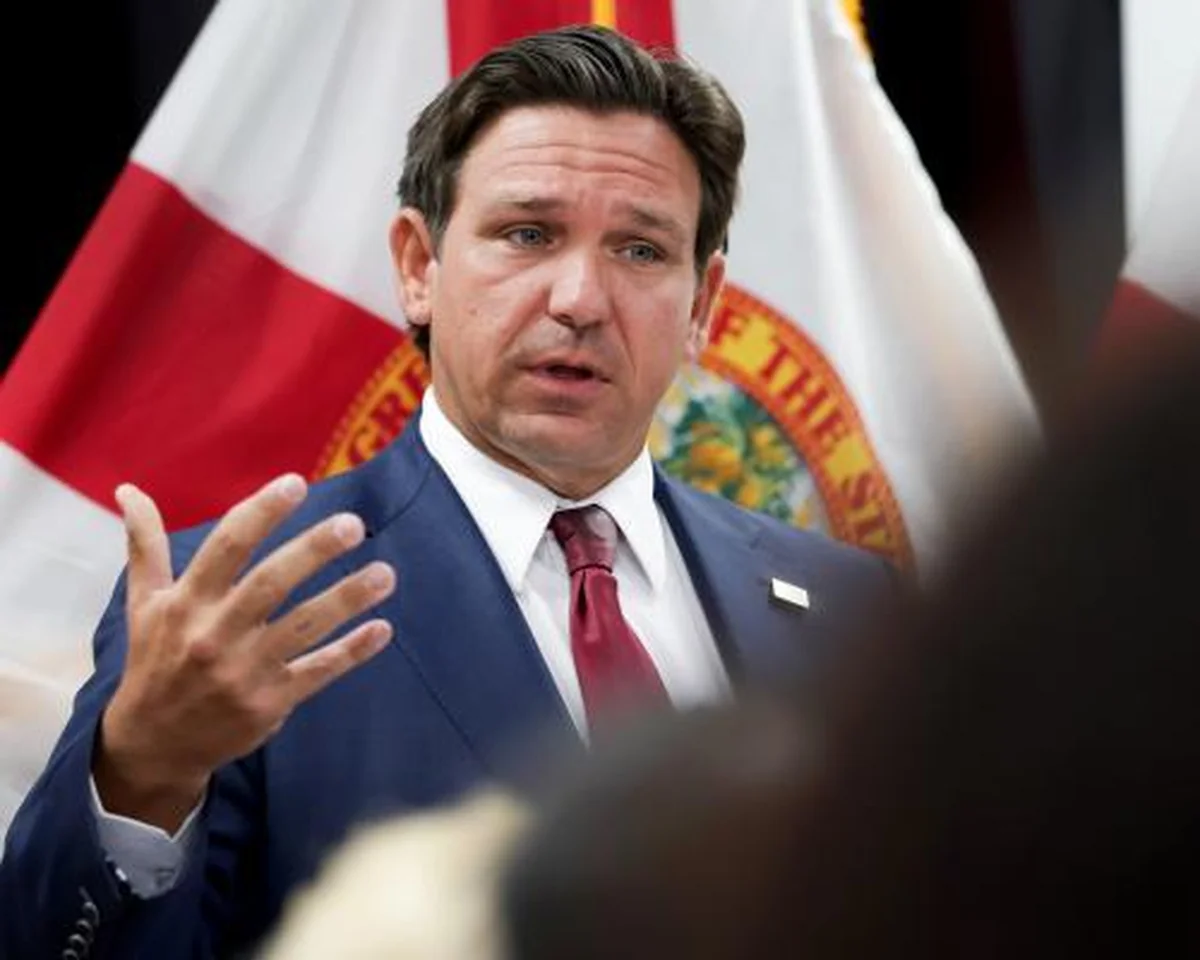
DeSantis Targets Florida Universities Over H-1B Hiring
Florida Governor Ron DeSantis has issued a directive urging the state’s public universities to cease the employment of international staff through the federal H-1B visa program. DeSantis explicitly called on the Florida Board of Governors to “pull the plug” on this practice, aiming to prioritize American workers for academic and research positions.
According to an analysis by the Orlando Sentinel, approximately 400 foreign nationals are currently employed across Florida’s public higher education institutions under the H-1B visa scheme. Governor DeSantis articulated his stance in a recent statement, asserting, “Universities across the country are importing foreign workers on H-1B visas instead of hiring Americans who are qualified and available to do the job.” He further emphasized, “We will not tolerate H-1B abuse in Florida institutions. That’s why I have directed the Florida Board of Governors to end this practice.”
Legal Hurdles and Federal Authority
The implementation of such a directive, however, faces significant legal and practical challenges. State governments do not possess the authority to unilaterally revoke federal visas, as immigration policy falls under federal jurisdiction. Furthermore, regulations set by U.S. Citizenship and Immigration Services (USCIS) explicitly prohibit employers from terminating employees solely based on their immigration status.
This move by DeSantis echoes sentiments previously expressed by former President Donald Trump, who last month dramatically increased the H-1B visa fee from $215 to $100,000—a decision widely expected to trigger legal battles. Trump also issued a proclamation alleging “systematic abuse” within the program, highlighting a broader national debate.
The H-1B Program: Purpose and Debate
The H-1B program is designed to allow U.S. employers to temporarily hire skilled foreign professionals in specialized occupations that typically require a bachelor’s degree or higher. These roles are often in fields like technology, engineering, and medicine, where a shortage of qualified U.S. workers is perceived. Across Florida, over 7,200 individuals currently hold H-1B visas, spanning various industries beyond academia.
The program has long been a source of contention. Supporters, including prominent figures like Elon Musk, contend that H-1B visas are crucial for maintaining American innovation and competitiveness by attracting top global talent. Conversely, critics, such as Governor DeSantis, argue that the program is often misused, enabling companies to replace qualified American workers with lower-paid foreign labor. DeSantis specifically referenced positions filled by individuals from countries like China, Argentina, and Canada, claiming these roles were unjustly taken from eligible Floridians in favor of “cheap labor.”
Impact on Florida’s Higher Education
Florida’s university system heavily utilizes the H-1B program for a variety of academic and research roles. The University of Florida stands out as one of the state’s most significant users, employing more than 150 staff members under this visa category, according to a review of federal data by the Orlando Sentinel. Other institutions, including the University of South Florida, also rely substantially on the program to fill specialized positions within their faculty and research departments.
The governor’s call to halt H-1B hiring could have profound implications for the state’s higher education system, potentially impacting research capabilities, diversity of academic staff, and the ability to attract specific expertise from a global talent pool. As the Board of Governors considers DeSantis’s directive, the path forward remains legally ambiguous and politically charged.
Source: The Guardian