Energy Secretary Reverses Billions in Green Funding
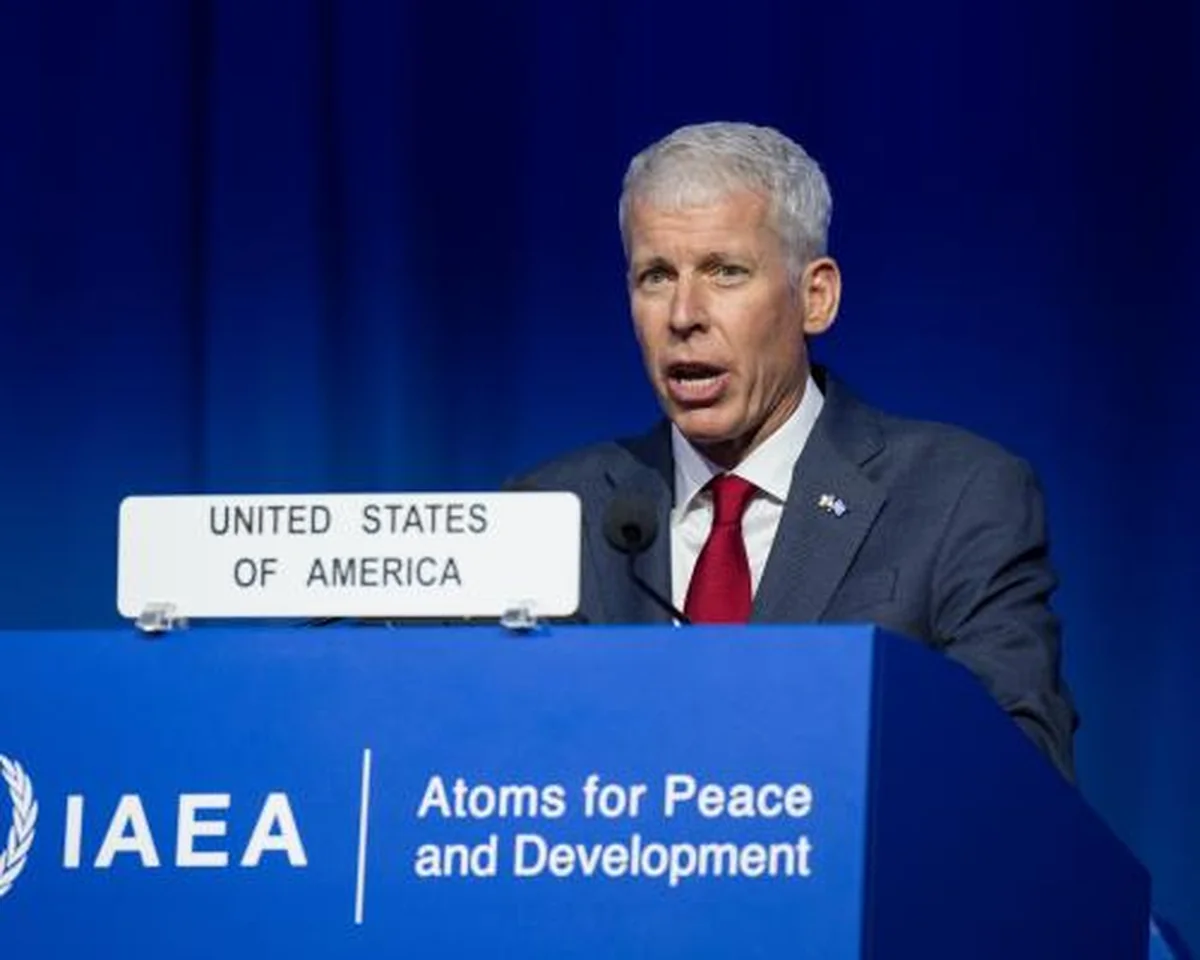
WASHINGTON — In a significant shift in energy policy, U.S. Energy Secretary Chris Wright announced Wednesday the return of billions of dollars in federal funding earmarked for green energy initiatives. The move, which targets $13 billion in funding allocated during the previous administration, has ignited controversy and raised questions about the future of climate-focused projects.
Questioning Climate Action’s Effectiveness
Secretary Wright justified the decision by questioning the effectiveness of past climate policies. He stated, “The more people have engaged in so-called climate action, the more expensive their energy has become, impacting their quality of life and opportunities.” He further criticized what he termed a climate change “cancel culture,” claiming it stifles open discussion and debate on the issue. Wright defended a recent Department of Energy report, which has faced criticism for allegedly containing climate misinformation, by stating only one data point deviated significantly from findings by the National Academies of Sciences, Engineering, and Medicine.
When pressed on the administration’s broader assault on climate initiatives, Wright argued that decades of international efforts have yielded insufficient results. He pointed to the Kyoto Protocol and subsequent agreements, stating, “We’ve had over 30 years since the Kyoto Protocol, and we haven’t even altered the trajectory of global greenhouse-gas emissions.” This statement, however, contrasts with assessments by the United Nations Secretary-General, who notes that the projected rise in global warming has been significantly reduced since the Paris Agreement, from over four degrees Celsius to a projected 2.6 degrees Celsius if nations fully implement their climate action plans.
Targeting Green Projects and Wind Farm Development
The administration’s specific targets for the $13 billion funding reversal remain unclear. The Department of Energy described the funds as having been “initially appropriated to advance the previous administration’s wasteful Green New Deal agenda.” This vague description has raised concerns among environmental groups and advocates for renewable energy.
Wind Farm Scrutiny
Further fueling the controversy, the administration is currently scrutinizing several wind farm projects, including those already approved for construction. Wright maintained that these investigations are aimed at addressing widespread concerns about potential environmental impacts, particularly regarding whale populations. However, critics argue that these actions represent a deliberate attempt to hinder the growth of renewable energy sources.
Political and Economic Ramifications
The administration’s actions are expected to have significant political and economic consequences. The reversal of green energy funding could impact job creation in the renewable energy sector and potentially slow progress toward climate goals. The decision also underscores a broader ideological clash between the current administration’s energy priorities and those of its predecessor. The long-term implications of these policy shifts remain to be seen, particularly regarding the nation’s commitment to international climate agreements and the overall trajectory of greenhouse gas emissions.
The coming months will likely see increased scrutiny of the administration’s energy policies, with ongoing debates about the balance between economic growth, energy security, and environmental sustainability.
Source: The Guardian