House GOP Censure Bid Over Epstein Texts Collapses
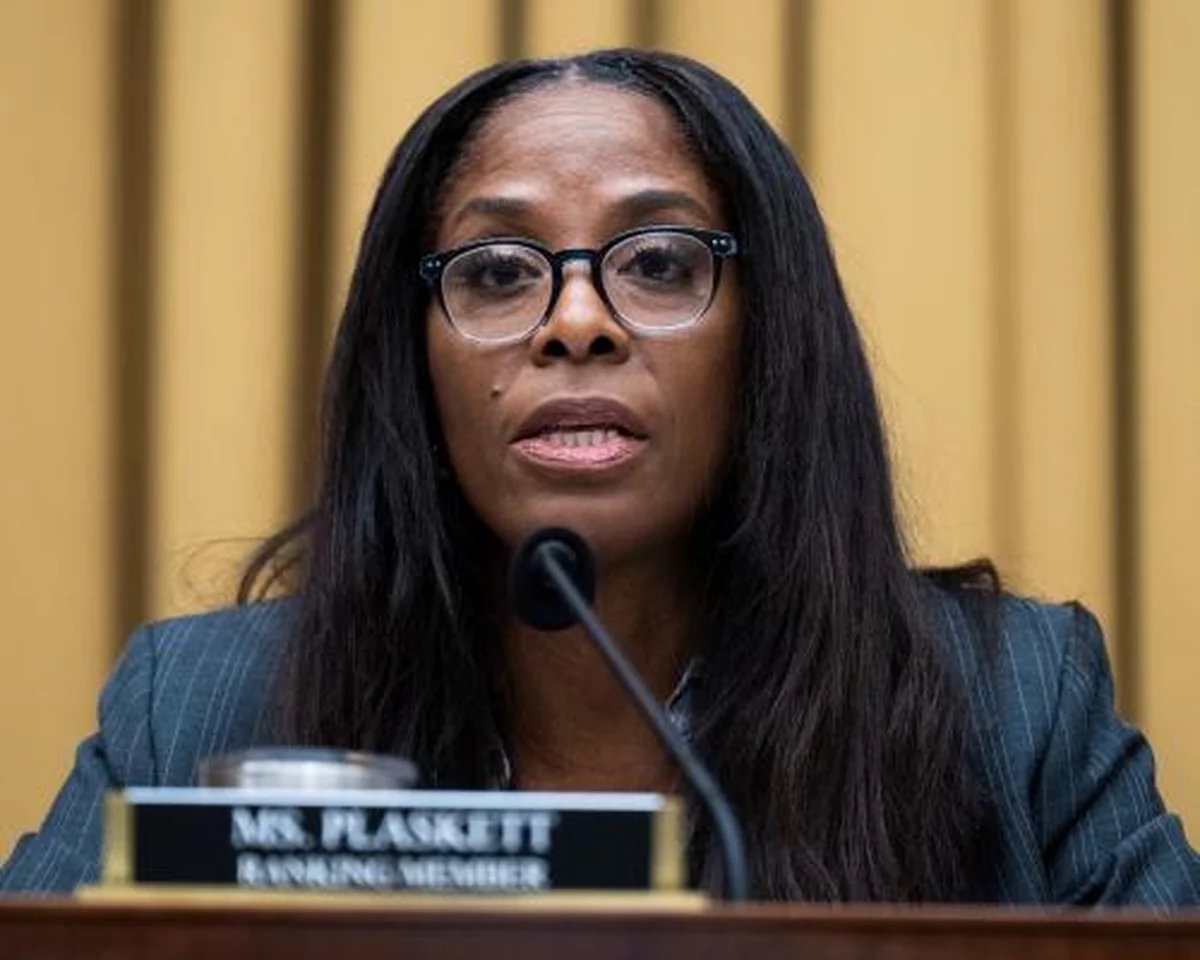
An initiative by House Republicans to formally reprimand Democratic Delegate Stacey Plaskett encountered defeat on Tuesday evening, sparking a heated confrontation within the chamber and immediate accusations that party leaders had orchestrated backroom agreements to shield members from ethics controversies. The measure, which sought to censure Plaskett and remove her from the influential House Intelligence Committee due to her real-time text message exchanges with convicted sex offender Jeffrey Epstein during a congressional hearing, failed by a narrow margin of 209 votes to 214.
Three Republican representatives—Don Bacon of Nebraska, Lance Gooden of Texas, and Dave Joyce of Ohio—crossed party lines to vote alongside every Democrat in opposition to the resolution. Additionally, three other Republicans opted to vote “present,” further contributing to the proposal’s downfall. The outcome immediately cast a shadow over the bipartisan commitment to transparency surrounding Epstein’s extensive network.
Plaskett’s Texts and Shifting Stances
For several months leading up to this vote, Democrats had championed the release of all documents pertaining to Jeffrey Epstein, advocating for full transparency regarding the financier’s connections to powerful individuals. However, the political landscape shifted dramatically when recently unsealed court materials revealed that Plaskett, who represents the U.S. Virgin Islands, had exchanged messages with Epstein during a 2019 congressional hearing. Despite their prior stance on Epstein-related disclosures, all Democrats subsequently voted against the resolution to censure their colleague.
The controversy centers on documents that reportedly show Epstein “text-coaching” Plaskett, suggesting an unusual level of communication during a sensitive period. These revelations, coming after a sustained push for accountability, have raised questions about consistency in ethical oversight.
Allegations of Backroom Deals Emerge
The immediate aftermath of Plaskett’s censure vote saw a swift and striking development: Democrats withdrew a planned censure resolution targeting Representative Cory Mills, a Florida Republican. Mills has been facing a litany of serious allegations, including stolen valor, financial misconduct, and domestic abuse, all of which he has vehemently denied. This sequence of events fueled suspicions of a quid pro quo among some members of Congress.
The perceived deal ignited a fiery exchange on the House floor. Representative Lauren Boebert, a Colorado Republican, was observed shouting at her GOP colleagues, wagging her finger emphatically, and directly confronting Representative Mills. The dramatic scene underscored the deep divisions and distrust brewing within the Republican caucus.
Leadership Under Scrutiny
Adding to the chaos, Florida Republican Representative Anna Paulina Luna attempted to raise a parliamentary inquiry. She directly challenged House Speaker Mike Johnson, demanding an explanation for “why leadership on both sides, both Democrat and Republican, are cutting back-end deals to cover up public corruption in the House of Representatives.” In a moment that captured the raw emotion of the chamber, Boebert loudly cheered, “Get it, girl,” in support of Luna’s pointed question.
The failed censure vote and the subsequent withdrawal of the resolution against Mills have left a palpable sense of unease and accusation within the House. The incident highlights the complex interplay of party loyalty, ethical considerations, and the ever-present political maneuvering that shapes legislative outcomes, particularly when high-profile figures and sensitive allegations are involved. The events of Tuesday night underscore a growing concern over accountability and the potential for perceived political expediency to overshadow calls for ethical conduct.
Source: The Guardian