Judge Blocks Trump’s California Guard Deployment Amid Lawsuit
A federal court has issued a temporary injunction, preventing the Trump administration from dispatching National Guard units to Oregon. This swift judicial action came mere hours after California Governor Gavin Newsom declared his intent to sue the president over the controversial plan to deploy his state’s troops. Both California and Oregon had jointly sought the temporary restraining order following the administration’s earlier move to send Guard members from California into Oregon. The ruling marks a significant legal challenge to federal authority regarding state military forces, particularly in the context of managing civil unrest.
Judicial Intervention Halts Federal Plans
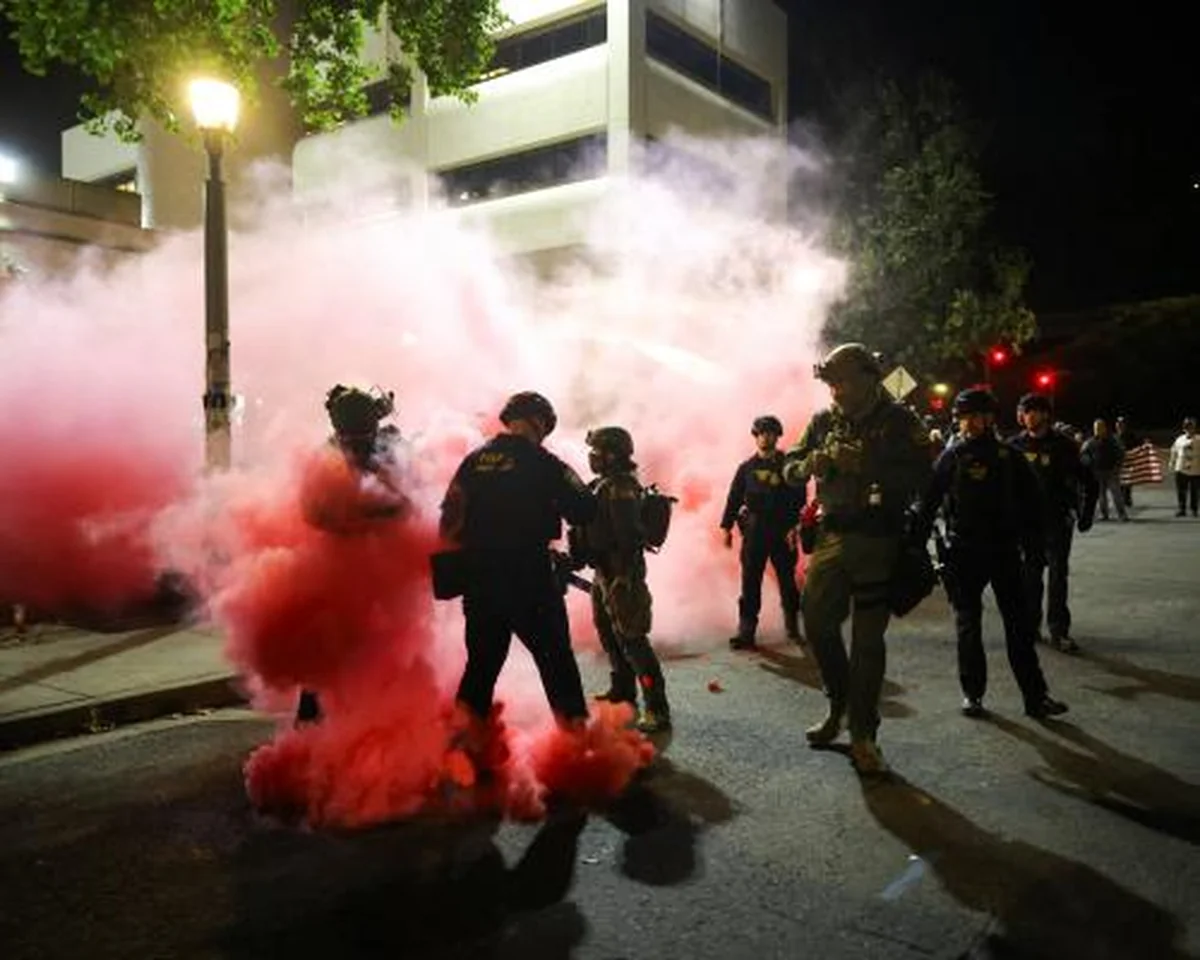
This latest judicial intervention follows a similar decision by the same judge just two days prior. On Saturday, U.S. District Judge Karin Immergut had already temporarily halted the administration’s efforts to deploy Oregon’s own National Guard troops to Portland. Her initial ruling underscored a lack of evidence demonstrating that recent protests in the city necessitated the presence of National Guard forces, regardless of their origin. The subsequent Sunday ruling, which extends until at least October 19, specifically bars the Trump administration from sending *any* National Guard personnel to Portland while both states pursue a more enduring court order.
Prior Ruling Set Precedent
During a Sunday night hearing, Judge Immergut directly questioned a Trump administration lawyer, challenging the legality of the new deployment. She probed, “How could bringing in federalized national guard from California not be in direct contravention of the [decision] I issued yesterday?” This pointed inquiry highlighted the court’s view that the administration’s latest move appeared to disregard her prior judicial directive, setting the stage for the temporary block. The judge’s consistent stance emphasizes a judicial skepticism regarding the necessity of military presence in response to the protests.
Governor Newsom’s Strong Rebuke
Earlier on Sunday, before the court’s decision, Governor Newsom had confirmed that California National Guard troops were already en route to Oregon. In a scathing statement, Newsom condemned the administration’s actions, asserting, “The Trump administration is unapologetically attacking the rule of law itself and putting into action their dangerous words – ignoring court orders and treating judges, even those appointed by the president himself, as political opponents.” His strong words underscored the escalating tensions between state and federal authorities over the use of state military assets.
Pentagon’s Stated Rationale
Pentagon spokesperson Sean Parnell had announced the deployment on Sunday, outlining the federal government’s justification. Parnell stated, “At the direction of the president, approximately 200 federalized members of the California national guard are being reassigned from duty in the greater Los Angeles area to Portland, Oregon to support US Immigration and Customs Enforcement and other federal personnel performing official duties, including the enforcement of federal law, and to protect federal property.” This declaration clarified the federal intent to use the Guard for supporting federal operations in Portland, citing specific agencies and objectives.
Legal Battle Continues
Caroline Turco, Portland’s senior deputy attorney, had also publicly commented on the unfolding situation. While the full scope of her remarks was not detailed in the available information, her involvement signaled the city’s active engagement in the legal and political dispute surrounding federal intervention. The temporary restraining order provides a brief reprieve for Oregon and California as they continue their legal efforts to secure a more permanent injunction against the deployment, emphasizing the ongoing struggle over states’ rights and federal overreach in managing domestic civil unrest. This legal saga highlights the complex interplay between state and federal powers.
Source: The Guardian