Funding NYC’s Future: Mamdani’s Ambitious Economic Plan
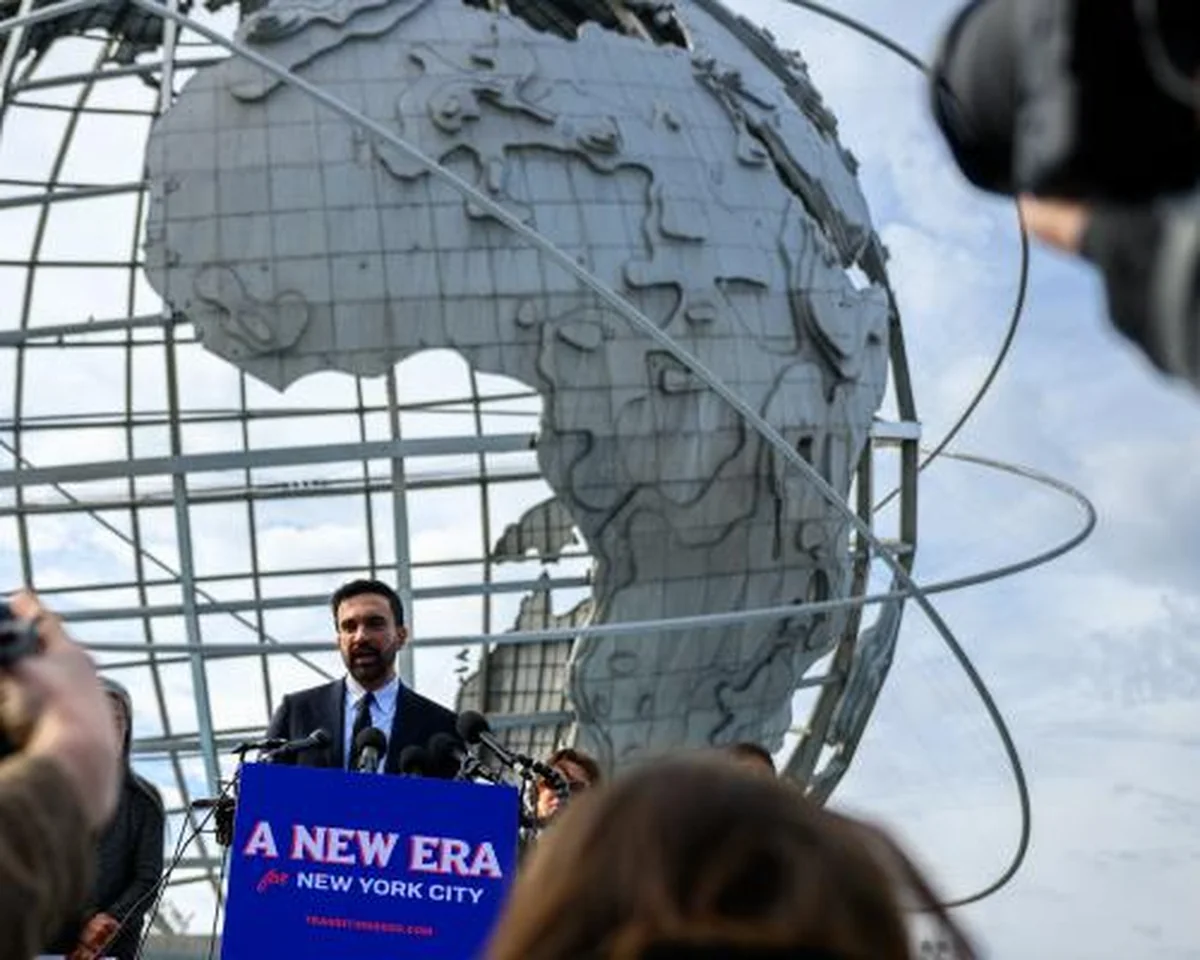
New York City’s mayor-elect, Zohran Mamdani, a democratic socialist, clinched a surprising victory on Tuesday, driven by a platform centered on making the metropolis more accessible and affordable for its residents. His key proposals include the implementation of free public bus services, comprehensive universal childcare programs, and a substantial increase in the supply of affordable housing units. However, transforming urban affordability demands significant public investment, leading many economists and political figures across the aisle to question the viability of his ambitious blueprint.
Further complicating the financial landscape is the impending Trump administration, which is widely expected to curtail federal funding to New York. This move could intentionally create fiscal deficits, hindering Mamdani’s ability to finance new initiatives. Moreover, New York City’s capacity to adjust many of its revenue streams is contingent upon approval from the state legislature, adding another layer of bureaucratic complexity.
The State Legislature Hurdle
Matt Gardner, a senior fellow at the Institute on Taxation and Economic Policy, highlighted the historical challenges in this area. He recalled a 2014 incident where a disagreement between then-Mayor Bill de Blasio and a state lawmaker prevented the city from merely increasing dog licensing fees. “The dramatic way of putting it is New York City can’t raise dog licensing fees without state legislature approval, and it was true then, and it’s true now,” Gardner explained, underscoring the enduring nature of this legislative constraint.
Despite these significant obstacles, Gardner and other policy experts point to several favorable conditions. Mamdani’s core ideas resonate strongly with the public, addressing fundamental urban issues. Crucially, Democrats now command substantial majorities within the state legislature, potentially paving clearer economic and political avenues for his proposals to become reality.
Mamdani’s Revenue Generation Strategies
The Mamdani campaign has projected that it could generate approximately $10 billion through a combination of increased corporate tax rates, higher taxes on affluent individuals, and enhanced collection of existing fees and taxes. Critics often argue that such tax hikes would prompt businesses and wealthy residents to leave the city, thereby negating the intended revenue gains. However, this assertion is largely contradicted by credible economic research.
Furthermore, the corporate tax specifically targets profits generated within the state, irrespective of a company’s physical headquarters. This nuance renders the argument about corporate relocation at least partially moot, as businesses would still be liable for taxes on their New York-based earnings even if their primary operations were elsewhere.
As Mayor-elect Mamdani prepares to take office, the focus remains on how these ambitious revenue strategies will navigate the intricate political and legislative landscape to fund his vision for a more affordable New York City.
Source: The Guardian