Major News Outlets Reject Pentagon’s New Access Rules
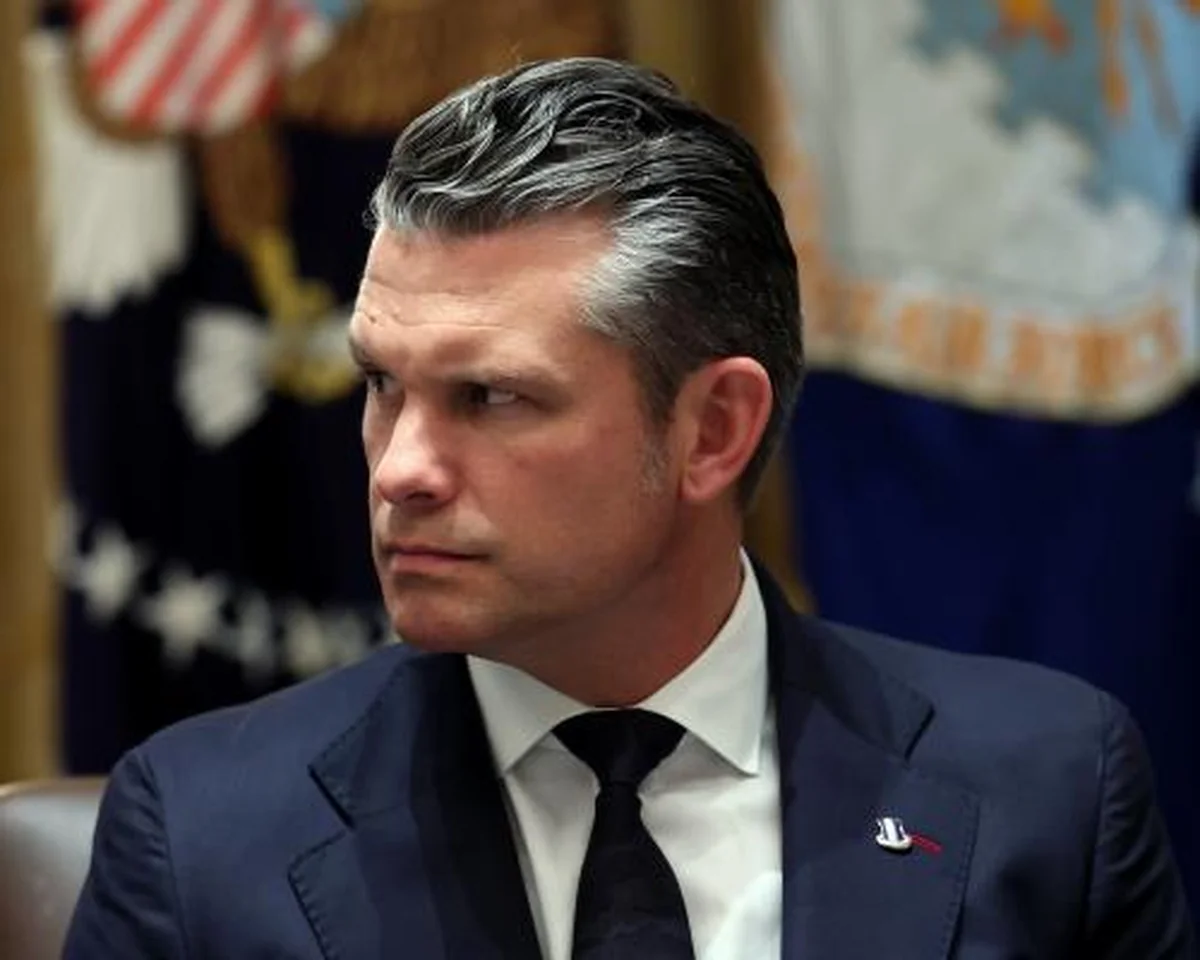
A coalition of prominent American news organizations has firmly rejected a new Defense Department policy that mandates reporters pledge not to seek or utilize unauthorized information and restricts their access to certain areas unless accompanied by an official. The controversial directive, unveiled last month by Defense Secretary Pete Hegseth, has ignited a fierce debate over press freedom and government transparency.
Media outlets invited to sign the new agreement were given a Tuesday 5 p.m. deadline. Failure to comply within 24 hours of that deadline would result in the revocation of their Pentagon press credentials, effectively barring them from critical defense briefings and reporting opportunities.
Widespread Media Opposition Emerges
Leading news organizations, including The Washington Post, The New York Times, CNN, The Atlantic, The Guardian, and the defense trade publication Breaking Defense, have publicly stated their refusal to endorse the new terms. This unified front underscores the gravity of the policy’s implications for independent journalism.
The move by the Pentagon follows a period of heightened tension between the defense establishment and the press. In February, long-standing credentialed media outlets were unexpectedly required to vacate their assigned workspaces, a change the Pentagon characterized as an “annual media rotation program.” A parallel initiative at the White House saw traditional briefing room seats reallocated to podcasters and other non-traditional media representatives, further fueling concerns about media access and fairness.
First Amendment Concerns Take Center Stage
Critics argue that the Pentagon’s new policy directly undermines constitutional guarantees of a free press. Matt Murray, executive editor of The Washington Post, articulated this sentiment in a statement released on X.
“The proposed restrictions undercut First Amendment protections by placing unnecessary constraints on gathering and publishing information,” Murray wrote. He affirmed his publication’s commitment: “We will continue to vigorously and fairly report on the policies and positions of the Pentagon and officials across the government.”
The Public’s Right to Know
The New York Times echoed these concerns, emphasizing the public’s fundamental right to be informed about the operations of its government and military. A statement from the Times noted that the new policy “constrains how journalists can report on the U.S. military, which is funded by nearly $1 trillion in taxpayer dollars annually.” The Times’ Washington bureau chief underscored, “The public has a right to know how the government and military are operating.”
The Atlantic, which experienced its own friction with Pentagon and White House officials earlier this year after its editor, Jeffrey Goldberg, was inadvertently added to a sensitive group chat on Signal, also expressed its strong disapproval. The publication stated it “fundamentally” opposes the new restrictions, viewing them as an impediment to comprehensive reporting.
As the deadline passes, the standoff between the Pentagon and major news outlets signals a critical juncture for press freedom in the United States. The media’s unwavering stance highlights their dedication to independent reporting and accountability, even in the face of escalating access restrictions from government bodies.
Source: The Guardian