Homeland Security Chief Links Antifa to Terrorist Organizations
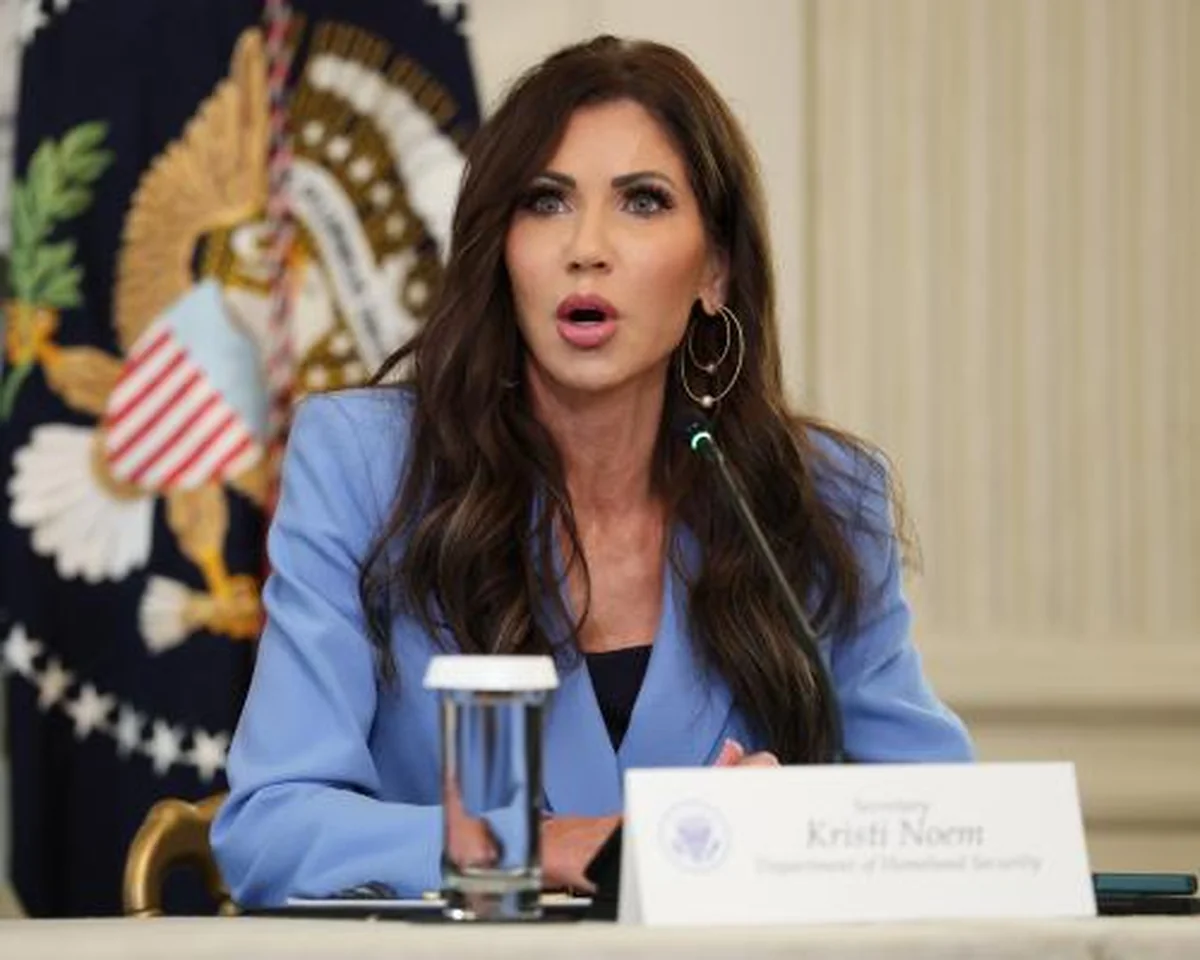
In a striking declaration at a White House roundtable discussion on Wednesday, Homeland Security Secretary Kristi Noem drew direct comparisons between the loosely organized network of antifascist activists, commonly known as antifa, and internationally recognized terrorist groups. Noem asserted that antifa is “just as dangerous” as entities like MS-13, Hamas, Hezbollah, and the Islamic State, further claiming they possess similar levels of sophistication and a shared destructive agenda.
Noem’s Stark Comparison
“They are just as sophisticated as MS-13, as TDA [Tren de Aragua], as Isis, as Hezbollah, as Hamas, as all of them, they are just as dangerous,” Noem stated during the high-profile gathering. She elaborated on her view of antifa’s objectives, adding, “They have an agenda to destroy us, just like the other terrorists we’ve dealt with for many, many years.” The discussion featured a panel of right-wing social media commentators and journalists, including figures such as Andy Ngo, Nick Sortor, and Katie Daviscourt, known for their coverage of left-wing protest movements.
The secretary’s remarks ignited further debate over the nature of antifa, a movement that has increasingly become a focal point in American political discourse. Her comparison places antifa in the same category as organizations that have demonstrated extensive command structures, controlled geographical territories, operated military wings, and executed numerous mass casualty attacks, including bombings, kidnappings, and assassinations.
Contrasting Views on Antifa’s Structure
The groups Noem cited – Hamas, Hezbollah, and ISIS – are formally designated terrorist organizations with established hierarchies and operational capabilities. By contrast, extremism experts consistently describe antifa as lacking any centralized leadership, formal membership, or a cohesive organizational structure. Federal law enforcement agencies have generally characterized antifa as a decentralized collection of activists who participate in protest activities, some of which have involved acts of property destruction and street violence.
This fundamental difference in organizational make-up and operational scale forms the crux of the controversy surrounding Noem’s comparison. Critics argue that equating a diffuse activist movement, however disruptive some of its elements may be, with highly structured international terror groups risks misrepresenting the threat landscape and potentially overstating antifa’s capabilities.
Political Context and Further Condemnations
The White House roundtable took place in the wake of an executive order signed by then-President Donald Trump in September, which aimed to designate antifa as a “domestic terrorist organization.” This political move intensified discussions around how to categorize and respond to the movement. Just days before Trump’s announcement, Joe Biggs, a prominent leader of the Proud Boys who was later convicted and then pardoned for his involvement in the January 6 Capitol events, posted a provocative message on X, stating: “Who’s ready to go ANTIFA hunting? Because I know a few guys.”
During Wednesday’s event, then-Attorney General Pam Bondi, seated alongside Trump, echoed the administration’s strong condemnations of antifa. “This is not activism, it’s anarchy,” Bondi declared, adding, “We can’t and we will not let masked terrorists burn our buildings, attack our law enforcement and intimidate our communities.” Trump also provided examples during the discussion to support his administration’s stance against the group, underscoring the high-level concern regarding antifa’s activities within the government.
Source: The Guardian