Nuclear Security Agency Furls 80% Staff Amid Shutdown
The United States agency responsible for safeguarding the nation’s nuclear arsenal is preparing to send home a staggering 80% of its workforce. This drastic measure comes as a government shutdown extends into its 17th day, marking the longest full funding lapse in American history. The move by the National Nuclear Security Administration (NNSA) underscores the deepening fiscal crisis and its immediate impact on critical national security operations.
## Unprecedented Staff Reductions
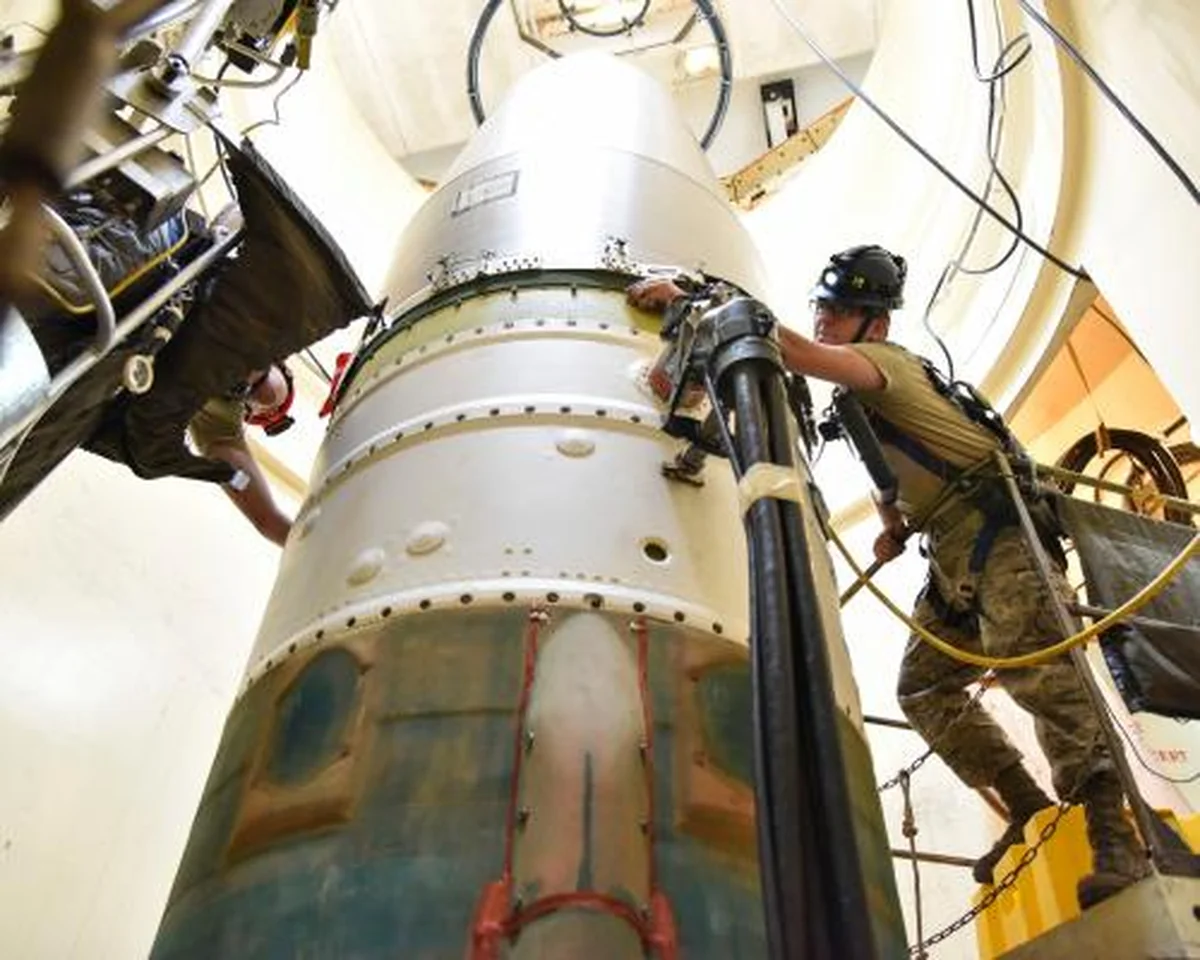
The decision to furlough approximately 1,400 NNSA employees without pay, effective Monday, leaves a skeleton crew of only 375 staff members deemed essential to continue working. This significant reduction in personnel was necessitated by the exhaustion of the agency’s carryover reserves, according to an agency notice obtained by Politico. The NNSA, which operates under the Department of Energy, plays a vital strategic role in maintaining the security and functionality of U.S. warheads without conducting explosive tests. It also spearheads non-proliferation initiatives aimed at preventing nuclear materials from falling into the hands of hostile nations or terrorist groups.
### Depleted Resources Force Action
Representative Mike Rogers, the Republican chair of the House Armed Services Committee from Alabama, conveyed the gravity of the situation during a Friday press conference. “We were just informed last night that the National Nuclear Security Administration, the group that manages our nuclear stockpile, that the carryover funding they’ve been using is about to run out,” Rogers stated. He emphasized the sensitive nature of the NNSA’s work, adding, “These are not employees that you want to go home. They’re managing and handling a very important strategic asset for us.”
## Safeguarding the Stockpile
While the NNSA does not directly control operational nuclear weapons – a responsibility held by the Pentagon – its mission is crucial for national defense. The agency’s 2025 contingency protocols, designed for shutdown scenarios, dictate that the remaining essential personnel will concentrate exclusively on hyperspecific safety operations. This includes continuous monitoring of nuclear materials, upkeep of specialized equipment, ensuring reactor safety for Navy vessels, and continuing international nonproliferation efforts deemed critical for security.
### Essential Services vs. Broader Mission
However, the vast majority of the NNSA’s scientific research, routine stockpile maintenance, and global security programs will be suspended. This widespread halt in operations raises concerns about potential delays in highly sensitive national defense projects that demand rigorous and consistent oversight. The current impasse, now recognized as the longest complete government-wide shutdown in U.S. history, is forcing an unprecedented scaling back of an agency vital to global stability and national security. The long-term implications of these suspended activities could reverberate for months, if not years, impacting the nation’s ability to maintain its strategic advantage and prevent nuclear proliferation.
Source: The Guardian