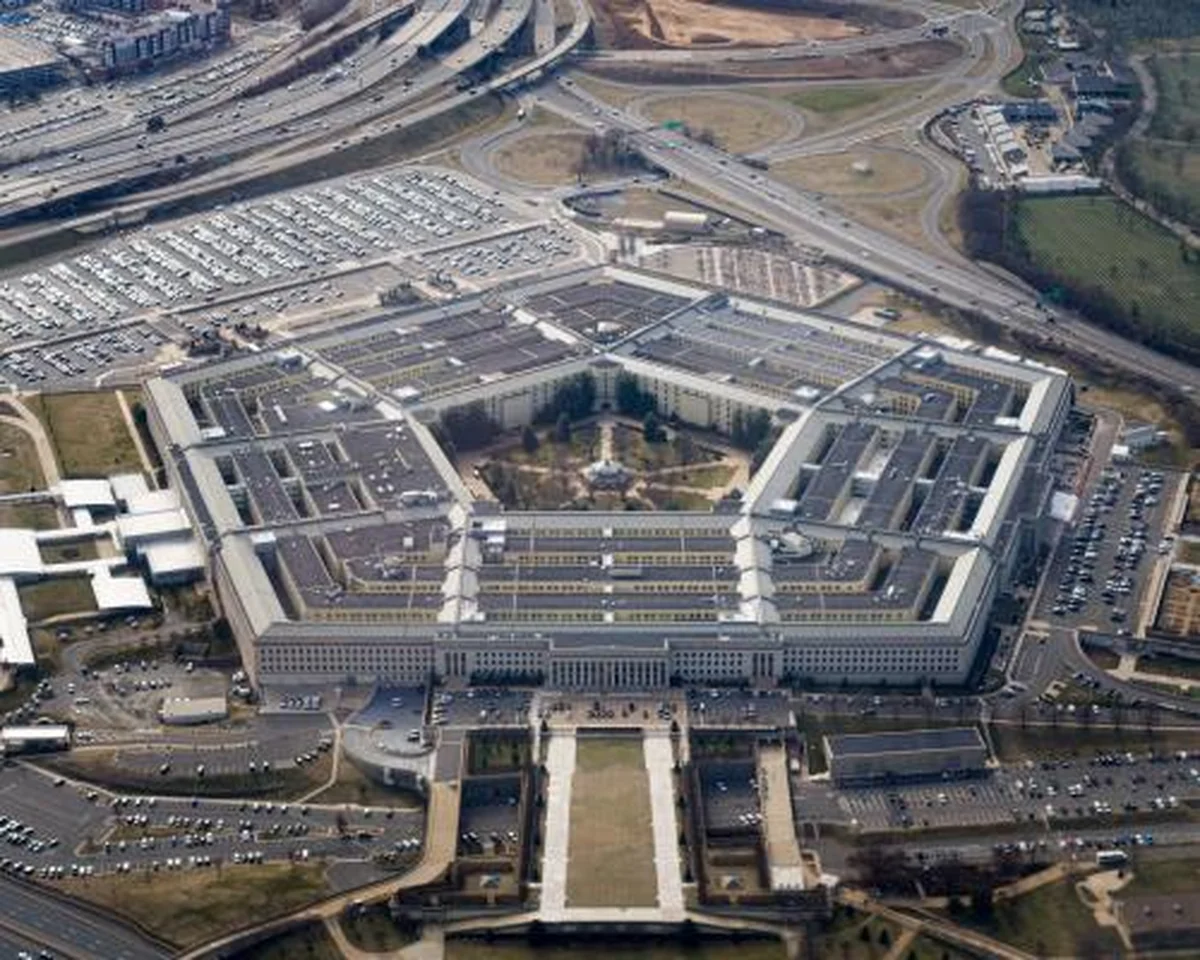
First Amendment Fight: NYT Sues Pentagon Over Reporting Curbs
The New York Times initiated legal action against the Pentagon on Thursday, asserting that the Department of Defense’s recently implemented reporting guidelines infringe upon the constitutional protections afforded to its journalists. These new directives, which became effective in October, mandate that news gatherers commit to a pledge not to acquire unauthorized materials and significantly curtail access to specific zones unless accompanied by an official escort. This marks a notable divergence from prior established protocols.
In a summary detailing its legal filing, the esteemed publication characterized the Pentagon’s policy as “exactly the type of speech- and press-restrictive scheme that the Supreme Court and D.C. Circuit have recognized violates the First Amendment.” This strong declaration underscores the gravity with which the Times views the department’s actions, framing them as a direct challenge to fundamental press freedoms.
## Legal Challenge to Press Freedom
The lawsuit, lodged in a US district court in Washington, D.C., seeks an injunction to prevent the Pentagon from enforcing these controversial press policies. The New York Times argues that the restrictions impede journalists’ ability to perform their essential function of informing the public, particularly concerning matters of national defense and security, without undue government oversight or pre-approval. The requirement for a pledge regarding unauthorized material raises concerns about self-censorship and the chilling effect on investigative reporting, while the need for official accompaniment could limit spontaneous access and independent observation.
Numerous prominent American news organizations have collectively rejected these new terms. Among the outlets that have refused to sign the contentious agreement are The Guardian, The Washington Post, The Atlantic, CNN, Reuters, The Associated Press, NPR, HuffPost, and the specialized trade publication Breaking Defense, alongside The New York Times itself. This widespread refusal signals a unified front from a significant portion of the media landscape against what they perceive as an overreach by the defense establishment.
## Media Outlets Unify Against Restrictions
The collective stand taken by these diverse media entities highlights a shared concern that the Pentagon’s new rules could set a dangerous precedent, potentially eroding the public’s right to know and the press’s ability to hold government institutions accountable. The legal challenge by The New York Times is thus seen as a pivotal moment in the ongoing struggle between national security interests and the constitutional guarantee of a free press.
In a public statement, The New York Times affirmed its resolve, declaring that it “intends to vigorously defend against the violation of these rights, just as we have long done throughout administrations opposed to scrutiny and accountability.” This commitment reiterates the publication’s historical role in challenging government secrecy and advocating for transparency, irrespective of the political party in power.
## Live Political Updates
Hello and welcome to our ongoing coverage of US political developments. I am Vivian Ho, and I’ll be bringing you the latest news as it unfolds over the coming hours.
In separate, but equally significant, political news, Admiral Frank “Mitch” Bradley of the Navy is slated to appear on Capitol Hill on Thursday. Bradley is expected to deliver a classified briefing to congressional lawmakers who oversee national security matters, according to reports from The Associated Press.
## Admiral Bradley’s Capitol Hill Briefing
The admiral’s appearance comes amidst controversy, as he reportedly issued orders to open fire on survivors following an attack on an alleged drug boat. Officials from the Trump administration have defended the subsequent strike, which occurred on September 2, by asserting that its primary objective was to ensure the complete destruction of the vessel. This justification closely mirrors the language found in a confidential Office of Legal Counsel (OLC) memo from the Justice Department, which purportedly stated it was permis…
Source: The Guardian